Growing your own vegetables is one of the most rewarding ways to enjoy fresh, healthy food while saving money and spending more time outdoors. The good news is that you don’t need years of gardening experience to get started. Many of the Easiest Vegetables grow quickly, require minimal care, and produce generous harvests even in small backyard gardens, raised beds, or containers. Whether you want crisp lettuce for salads, sweet cherry tomatoes, or crunchy carrots, choosing beginner-friendly vegetables makes gardening enjoyable and stress-free.
Growing the Easiest Vegetables at home also gives you complete control over how your food is grown. You can avoid unnecessary chemicals, improve your soil naturally, and harvest vegetables at their peak freshness. Gardening also provides excellent exercise, reduces stress, and creates a beautiful outdoor space that the whole family can enjoy.
In this guide, you’ll discover why growing vegetables at home is worthwhile, learn the benefits of planting the Easiest Vegetables, understand the key factors to consider before planting, and compare different gardening methods. By the end of this article, you’ll be ready to grow a productive vegetable garden with confidence.
Why Grow Your Own Vegetables?
Growing vegetables at home is a rewarding hobby that offers fresh produce, healthier meals, and a stronger connection with nature. Even if you have limited space, you can successfully grow many of the Easiest Vegetables in containers, raised beds, or small backyard gardens.
Home gardening also allows you to enjoy vegetables at their freshest. Instead of purchasing produce that has traveled long distances, you can harvest vegetables straight from your garden when they are fully ripe and packed with flavor.
Benefits of Growing Your Own Vegetables
- Enjoy fresh and nutritious produce.
- Save money on grocery bills.
- Reduce exposure to synthetic pesticides.
- Grow vegetables organically.
- Spend more time outdoors.
- Get regular physical activity.
- Teach children valuable gardening skills.
- Reduce food waste and packaging.
Whether you grow just a few plants or a large vegetable garden, home gardening is an enjoyable activity that provides lasting rewards.
Benefits of Growing the Easiest Vegetables at Home
Choosing the Easiest Vegetables is the best way for beginners to build confidence and enjoy successful harvests. These vegetables are generally fast-growing, adaptable, and forgiving of small gardening mistakes.
Quick Harvests
Many beginner-friendly vegetables mature within a few weeks, allowing you to enjoy fresh harvests sooner.
Low Maintenance
Most of the Easiest Vegetables require only basic care, including regular watering, sunlight, and occasional feeding.
Ideal for Small Spaces
Many vegetables grow well in:
- Containers
- Raised garden beds
- Window boxes
- Small backyard gardens
This makes them suitable even if you don’t have a large yard.
Saves Money
Growing your own vegetables reduces grocery expenses throughout the growing season.
Healthier Meals
Freshly harvested vegetables often contain excellent flavor and valuable nutrients, making healthy eating easier.
Environmentally Friendly
Home gardens reduce transportation, packaging waste, and dependence on commercially grown produce.
Key Benefits
- Beginner-friendly.
- Budget-friendly.
- Fresh vegetables all season.
- Better control over growing methods.
- Supports sustainable gardening.
- Encourages healthy eating habits.
- Provides relaxing outdoor activity.
Growing the Easiest Vegetables is a simple way to enjoy delicious harvests while creating a healthier backyard.
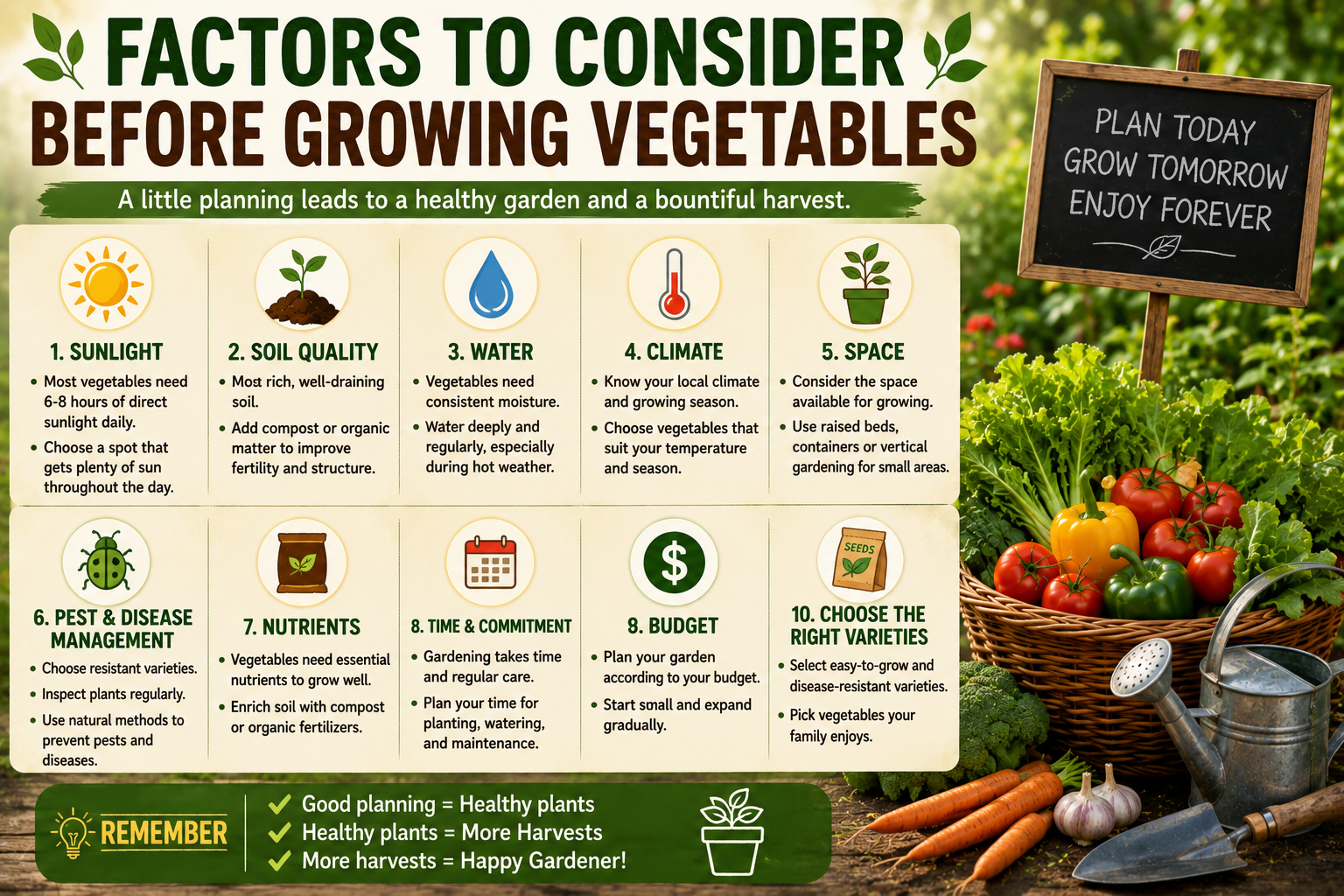
Factors to Consider Before Growing Vegetables
Before planting your garden, take time to plan carefully. Understanding your growing conditions will help your vegetables thrive and produce larger harvests.
Sunlight
Most vegetables need at least 6–8 hours of direct sunlight every day.
Choose the sunniest location available for your vegetable garden.
Soil Quality
Healthy soil produces healthy vegetables.
Improve your soil by adding:
- Compost
- Organic matter
- Aged manure
- Worm castings
Rich soil helps plants develop strong roots and produce better harvests.
Water Availability
Vegetables require consistent moisture throughout the growing season.
Water deeply rather than frequently, especially during hot weather.
Climate
Choose vegetables suited to your local growing season.
Cool-season vegetables include:
- Lettuce
- Spinach
- Peas
- Radishes
Warm-season vegetables include:
- Tomatoes
- Cucumbers
- Peppers
- Zucchini
Growing vegetables during their preferred season leads to healthier plants.
Available Space
Your available space determines which gardening method works best.
You can grow the Easiest Vegetables in:
- Raised beds
- Containers
- Traditional garden plots
- Vertical gardens
Even a small patio can produce an impressive harvest.
Pest and Disease Prevention
Healthy gardens experience fewer problems.
Simple prevention methods include:
- Crop rotation.
- Companion planting.
- Proper spacing.
- Good air circulation.
- Regular garden inspections.
Preventing problems is much easier than fixing them later.
Comparison Table: Raised Beds vs. Containers vs. In-Ground Vegetable Gardening
| Feature | Raised Beds | Containers | In-Ground Garden |
|---|---|---|---|
| Best For | Beginners and small backyards | Balconies, patios, and limited spaces | Large gardens |
| Soil Control | Excellent | Excellent | Depends on existing soil |
| Drainage | Excellent | Very good | Varies by soil type |
| Weed Control | Easy | Very easy | Moderate |
| Water Needs | Moderate | Frequent | Moderate |
| Initial Cost | Medium | Low to medium | Low |
| Maintenance | Easy | Easy | Moderate |
| Ideal for Easiest Vegetables | Excellent | Excellent | Excellent |
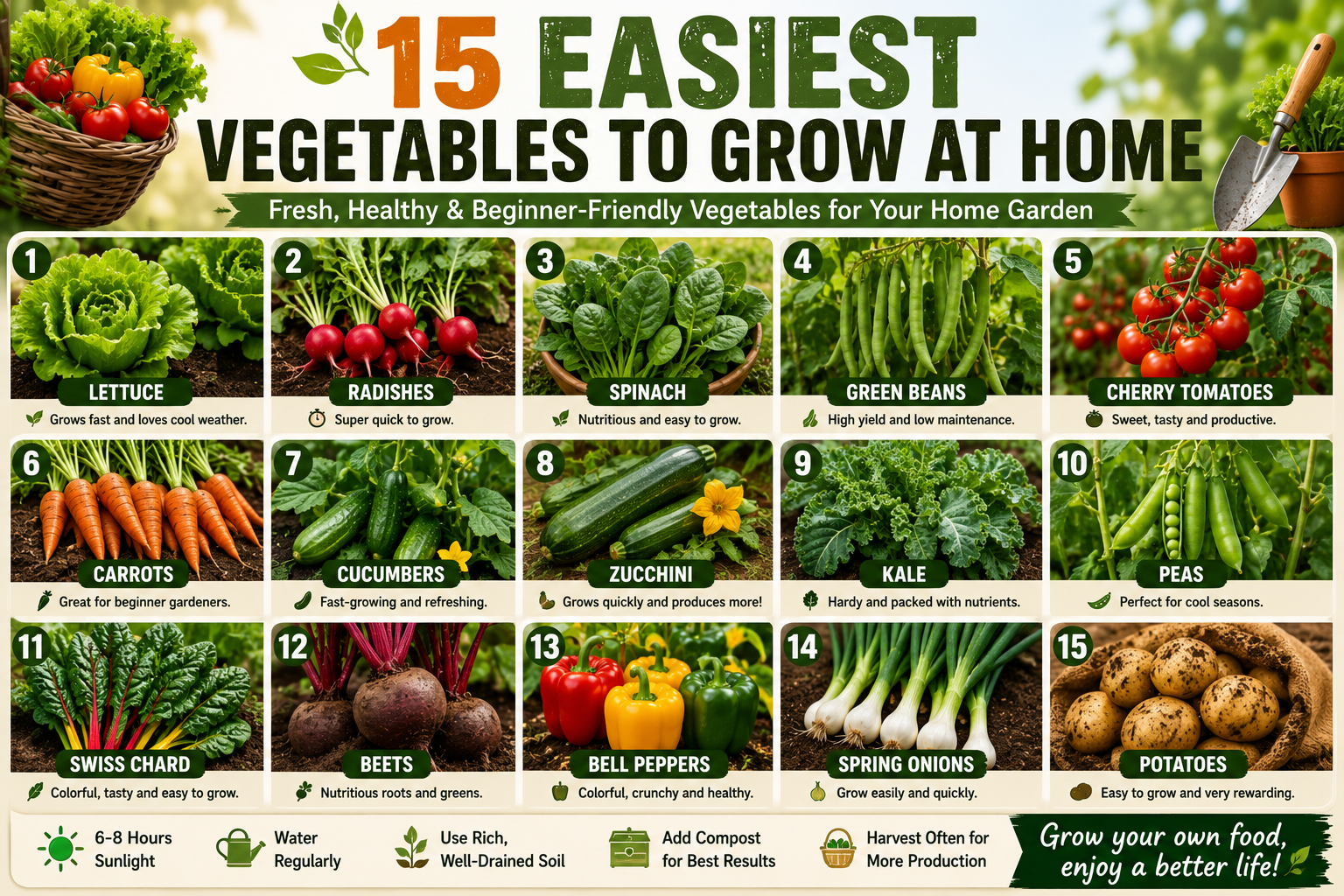
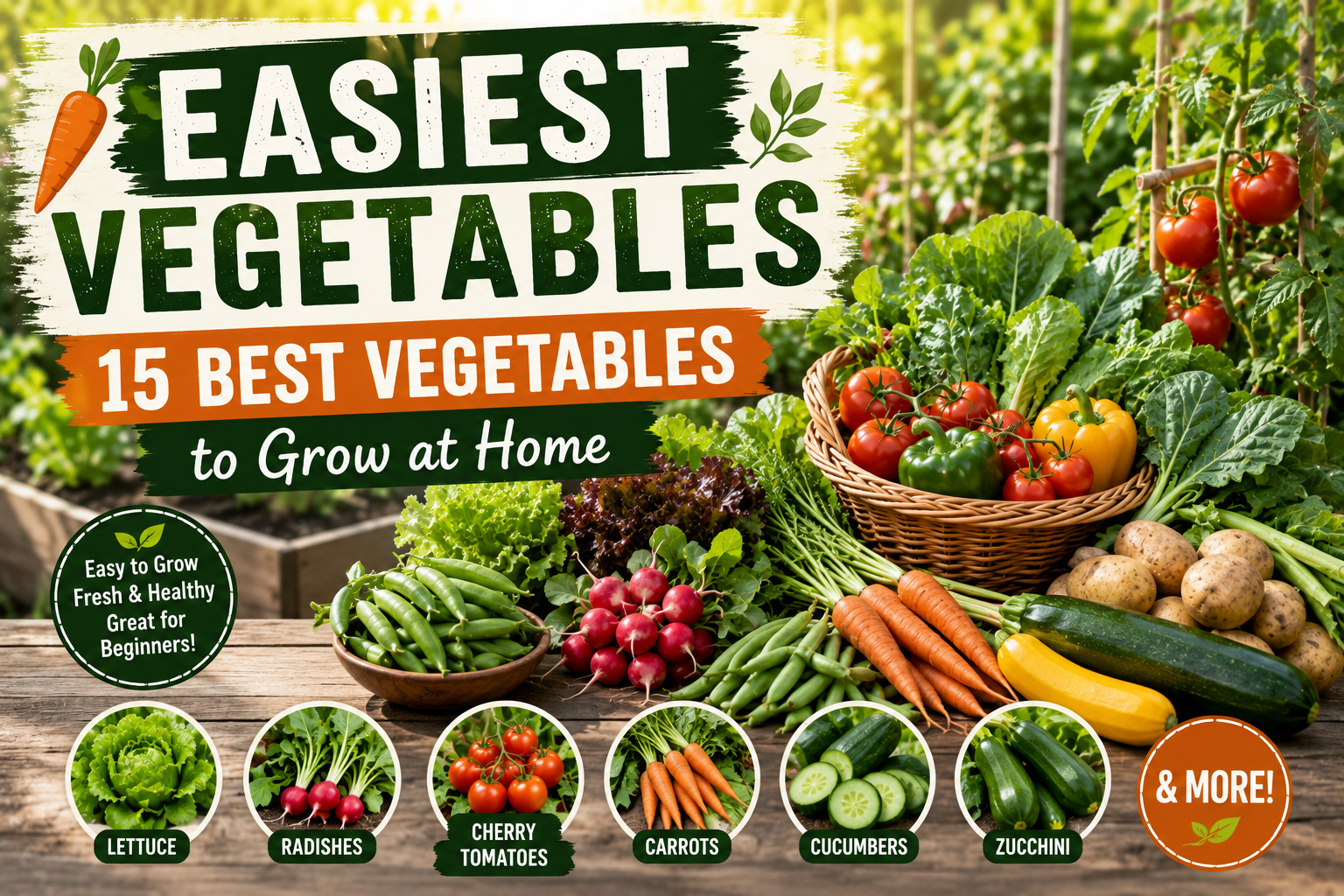
15 Easiest Vegetables to Grow at Home
Growing the Easiest Vegetables at home is a great way to enjoy fresh, nutritious produce while learning basic gardening skills. The vegetables below are beginner-friendly, require simple care, and produce reliable harvests in raised beds, containers, or traditional garden plots.
Vegetable #1 – Lettuce
Lettuce is one of the Easiest Vegetables because it grows quickly and can be harvested multiple times during the season.
Why It’s Easy to Grow
It matures fast and grows well in both containers and garden beds.
Growing Requirements
- Full sun to partial shade
- Rich, well-drained soil
- Cool weather
Water Needs
Keep the soil consistently moist but not waterlogged.
Harvest Time
30–60 days, depending on the variety.
Beginner-Friendly Tips
- Harvest outer leaves regularly.
- Plant new seeds every two weeks for continuous harvests.
Vegetable #2 – Radishes
Radishes are among the fastest-growing vegetables, making them perfect for beginners.
Why It’s Easy to Grow
They germinate quickly and require very little maintenance.
Growing Requirements
- Full sun
- Loose, fertile soil
Water Needs
Water regularly to keep roots tender.
Harvest Time
20–35 days.
Beginner-Friendly Tips
- Thin seedlings early.
- Harvest promptly to prevent woody roots.
Vegetable #3 – Spinach
Spinach is a nutritious leafy green that grows well during cooler seasons.
Why It’s Easy to Grow
It grows rapidly and requires minimal care.
Growing Requirements
- Partial to full sun
- Rich, moist soil
Water Needs
Keep soil evenly moist.
Harvest Time
35–50 days.
Beginner-Friendly Tips
- Harvest young leaves for the best flavor.
- Plant in spring or autumn.
Vegetable #4 – Green Beans
Green beans are productive plants that provide generous harvests.
Why It’s Easy to Grow
They germinate easily and produce plenty of beans.
Growing Requirements
- Full sun
- Well-drained soil
Water Needs
Water deeply once or twice a week.
Harvest Time
50–60 days.
Beginner-Friendly Tips
- Pick beans regularly.
- Provide support for climbing varieties.
Vegetable #5 – Cherry Tomatoes
Cherry tomatoes are one of the most rewarding Easiest Vegetables for home gardeners.
Why It’s Easy to Grow
They produce abundant fruit throughout the season.
Growing Requirements
- Full sun
- Fertile, well-drained soil
- Support stakes or cages
Water Needs
Water consistently to prevent cracking.
Harvest Time
60–80 days.
Beginner-Friendly Tips
- Remove damaged leaves.
- Harvest ripe tomatoes often.
Vegetable #6 – Carrots
Carrots are simple root vegetables that grow well in loose soil.
Why It’s Easy to Grow
They require little maintenance after germination.
Growing Requirements
- Full sun
- Deep, loose soil free of stones
Water Needs
Maintain evenly moist soil.
Harvest Time
60–80 days.
Beginner-Friendly Tips
- Thin seedlings carefully.
- Avoid compacted soil.
Vegetable #7 – Cucumbers
Cucumbers are vigorous growers that perform well in warm weather.
Why It’s Easy to Grow
Healthy plants produce large numbers of cucumbers.
Growing Requirements
- Full sun
- Rich, fertile soil
- Trellis recommended
Water Needs
Water deeply several times a week.
Harvest Time
50–70 days.
Beginner-Friendly Tips
- Harvest frequently.
- Grow vertically to save space.
Vegetable #8 – Zucchini
Zucchini is famous for producing large harvests from just one or two plants.
Why It’s Easy to Grow
It grows quickly and requires little attention.
Growing Requirements
- Full sun
- Rich, well-drained soil
Water Needs
Water consistently at the base.
Harvest Time
45–60 days.
Beginner-Friendly Tips
- Harvest while fruits are young.
- Allow plenty of growing space.
Vegetable #9 – Kale
Kale is a hardy leafy vegetable that tolerates cool temperatures.
Why It’s Easy to Grow
It continues producing leaves for many weeks.
Growing Requirements
- Full sun to partial shade
- Fertile soil
Water Needs
Keep soil evenly moist.
Harvest Time
50–70 days.
Beginner-Friendly Tips
- Harvest outer leaves first.
- Mulch around plants.
Vegetable #10 – Peas
Peas are excellent cool-season vegetables for beginner gardeners.
Why It’s Easy to Grow
They grow rapidly and improve soil by fixing nitrogen.
Growing Requirements
- Full sun
- Well-drained soil
- Trellis for climbing varieties
Water Needs
Water regularly during flowering.
Harvest Time
55–70 days.
Beginner-Friendly Tips
- Plant early in spring.
- Pick pods regularly.
Vegetable #11 – Swiss Chard
Swiss chard is a colorful leafy vegetable that grows throughout the season.
Why It’s Easy to Grow
It tolerates heat better than many leafy greens.
Growing Requirements
- Full sun to partial shade
- Fertile soil
Water Needs
Water consistently.
Harvest Time
50–60 days.
Beginner-Friendly Tips
- Harvest outer leaves continuously.
- Apply mulch during hot weather.
Vegetable #12 – Beets
Beets provide both edible roots and nutritious leaves.
Why It’s Easy to Grow
They adapt well to many garden conditions.
Growing Requirements
- Full sun
- Loose, fertile soil
Water Needs
Keep soil evenly moist.
Harvest Time
50–70 days.
Beginner-Friendly Tips
- Thin seedlings early.
- Harvest before roots become oversized.
Vegetable #13 – Bell Peppers
Bell peppers produce colorful, sweet fruits throughout summer.
Why It’s Easy to Grow
With warmth and sunshine, they grow reliably.
Growing Requirements
- Full sun
- Well-drained fertile soil
Water Needs
Water deeply once or twice a week.
Harvest Time
70–90 days.
Beginner-Friendly Tips
- Stake larger plants.
- Harvest when fruits reach full color.
Vegetable #14 – Spring Onions
Spring onions are easy, fast-growing vegetables suitable for almost any garden.
Why It’s Easy to Grow
They require little space and minimal maintenance.
Growing Requirements
- Full sun
- Well-drained soil
Water Needs
Water regularly.
Harvest Time
50–60 days.
Beginner-Friendly Tips
- Sow seeds every few weeks.
- Harvest when stems reach usable size.
Vegetable #15 – Potatoes
Potatoes are one of the most satisfying Easiest Vegetables to grow at home.
Why It’s Easy to Grow
They produce generous harvests with relatively little effort.
Growing Requirements
- Full sun
- Loose, fertile soil
- Good drainage
Water Needs
Keep soil evenly moist during tuber development.
Harvest Time
90–120 days.
Beginner-Friendly Tips
- Hill soil around growing plants.
- Harvest after foliage begins to die back.
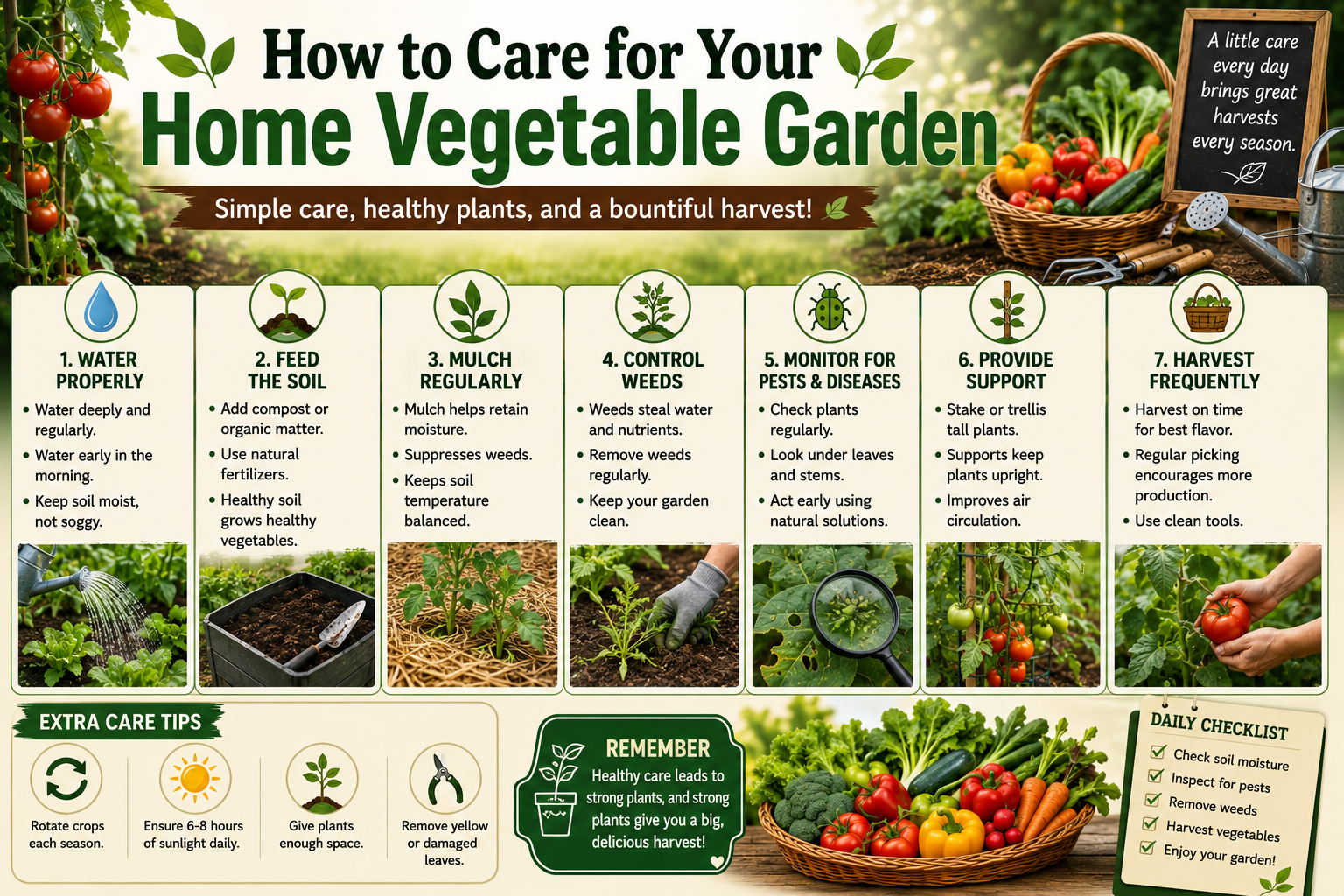
How to Care for Your Home Vegetable Garden
Growing the Easiest Vegetables is only the beginning. Regular care throughout the growing season helps plants stay healthy, produce larger harvests, and resist pests and diseases. With a few simple gardening habits, you can enjoy fresh vegetables from your backyard for months.
Water Properly
Vegetables need consistent moisture to grow well.
For best results:
- Water early in the morning.
- Water deeply instead of lightly.
- Avoid wetting the leaves whenever possible.
- Check soil moisture before watering.
Deep watering encourages strong root development and reduces plant stress during hot weather.
Feed the Soil
Healthy soil produces healthy vegetables.
Improve your garden by adding:
- Compost
- Aged manure
- Worm castings
- Organic fertilizers
Feeding the soil naturally provides nutrients throughout the growing season.
Apply Mulch
Mulching helps protect the soil and reduces maintenance.
Natural mulch materials include:
- Straw
- Shredded leaves
- Wood chips
- Grass clippings
Mulch conserves moisture, suppresses weeds, and keeps soil temperatures stable.
Remove Weeds Regularly
Weeds compete with vegetables for water, nutrients, and sunlight.
Inspect your garden every week and remove weeds before they spread.
Monitor for Pests and Diseases
Healthy gardens require regular observation.
Watch for:
- Holes in leaves
- Yellowing foliage
- Wilting plants
- Insect damage
Early treatment prevents small problems from becoming major ones.
Harvest Frequently
Many of the Easiest Vegetables continue producing when harvested regularly.
Frequent harvesting encourages:
- New growth
- Better flavor
- Larger overall harvests
Always use clean garden scissors or pruning shears when harvesting.
Common Vegetable Gardening Mistakes to Avoid
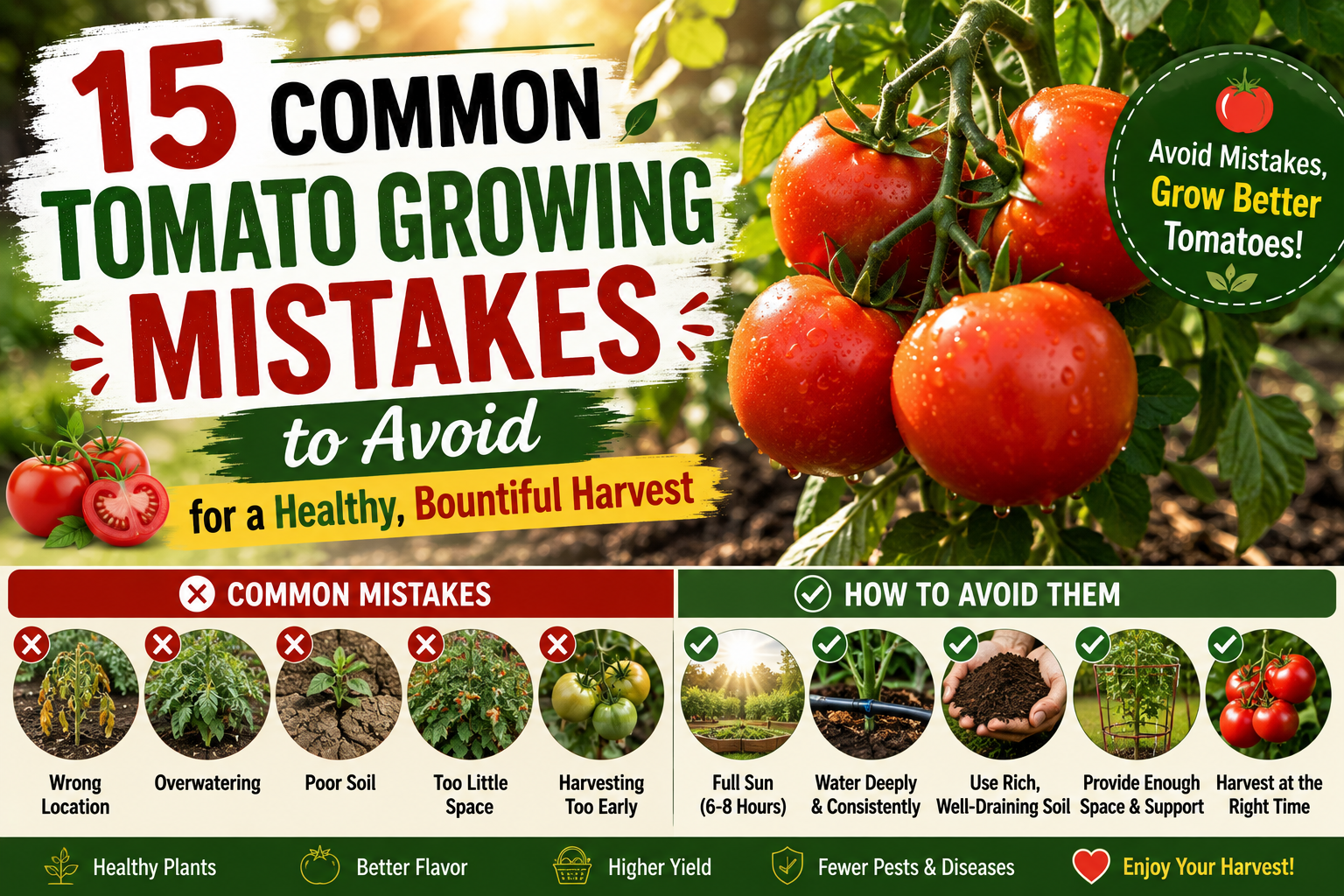
Even beginner gardeners can grow healthy vegetables by avoiding a few common mistakes.
Planting Too Early
Planting warm-season vegetables before the last frost can damage young plants.
Always check your local planting calendar before sowing seeds.
Overwatering
Too much water can cause root rot and fungal diseases.
Water only when the soil begins to dry slightly.
Poor Plant Spacing
Crowded plants compete for nutrients and airflow.
Proper spacing:
- Improves air circulation.
- Reduces disease.
- Makes harvesting easier.
Follow the recommended spacing on seed packets or plant labels.
Ignoring Soil Quality
Even the Easiest Vegetables struggle in poor soil.
Improve soil every season with compost and organic matter.
Forgetting Crop Rotation
Growing the same vegetables in the same location every year can increase pests and soil-borne diseases.
Rotate crop families each growing season.
Harvesting Too Late
Vegetables taste best when harvested at the proper stage.
Leaving vegetables on the plant too long can reduce quality and slow future production.
Seasonal Vegetable Gardening Tips
Each season brings different gardening tasks. Following seasonal routines helps keep your vegetable garden productive throughout the year.
Spring
It is the ideal time to prepare your garden.
Spring Checklist
- Add compost to the soil.
- Prepare raised beds or containers.
- Plant cool-season vegetables.
- Apply fresh mulch.
- Check irrigation systems.
Summer
It is the busiest growing season.
Summer Checklist
- Water deeply during dry weather.
- Remove weeds regularly.
- Harvest vegetables frequently.
- Watch for pests.
- Provide support for climbing plants.
Autumn
It is perfect for cleaning up the garden and improving the soil.
Autumn Checklist
- Remove old plants.
- Add compost.
- Plant cool-season vegetables where possible.
- Save seeds from healthy plants.
- Apply mulch before winter.
Winter
It is a great time to prepare for next year’s garden.
Winter Checklist
- Clean and sharpen gardening tools.
- Plan crop rotation.
- Order seeds.
- Protect exposed soil with mulch.
- Review your gardening notes.
These seasonal tasks will help your Easiest Vegetables grow successfully year after year.
Conclusion
Growing the Easiest Vegetables at home is one of the simplest and most rewarding ways to enjoy fresh, healthy food while developing valuable gardening skills. Whether you have a spacious backyard, a raised garden bed, or a few containers on a patio, beginner-friendly vegetables such as lettuce, radishes, cherry tomatoes, carrots, cucumbers, and potatoes can provide impressive harvests with minimal effort.
Success begins with choosing the right vegetables, preparing healthy soil, providing adequate sunlight, watering consistently, and maintaining your garden throughout the seasons. Regular harvesting, crop rotation, and natural pest control will help keep your plants healthy and productive while reducing common gardening problems.
Remember that every garden is unique, and each growing season is an opportunity to learn. Start with a few easy vegetables, observe how they grow, and gradually expand your garden as your confidence increases. With patience and proper care, your home vegetable garden will provide delicious harvests, save money on groceries, and become a relaxing outdoor space that you can enjoy with family and friends for many years.
Frequently Asked Questions (FAQs)
1. What are the easiest vegetables for beginners to grow?
Lettuce, radishes, spinach, green beans, cherry tomatoes, cucumbers, zucchini, and spring onions are among the Easiest Vegetables for beginner gardeners.
2. Can I grow vegetables in containers?
Yes. Many of the Easiest Vegetables grow successfully in containers, provided they receive enough sunlight, water, and nutrient-rich soil.
3. How much sunlight do vegetables need?
Most vegetables require 6–8 hours of direct sunlight each day for healthy growth and high yields.
4. How often should I water my vegetable garden?
Water deeply whenever the top inch of soil feels dry. Most vegetable gardens need about 1–2 inches of water per week, depending on the weather and soil type.
5. What is the best soil for growing vegetables?
Loose, fertile, well-drained soil enriched with compost and organic matter provides the best growing conditions for most vegetables.
6. When should I harvest homegrown vegetables?
Harvest vegetables when they reach their recommended size and color. Picking them at the right time ensures the best flavor, texture, and continued production.
7. How can I keep my vegetable garden healthy naturally?
Improve your soil with compost, use mulch to conserve moisture, rotate crops each season, encourage beneficial insects, and inspect plants regularly for pests and diseases.
You can also check our article Organic Gardening: 10 Tips for a Healthy Backyard Garden