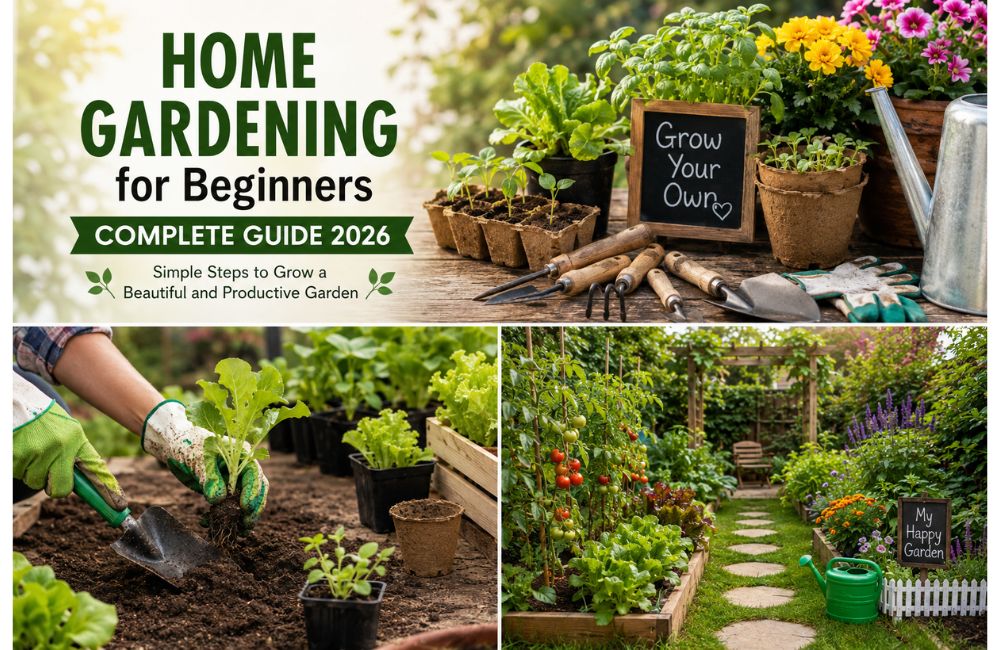
Home gardening is one of the most rewarding hobbies you can start. Whether you have a spacious backyard, a small balcony, or just a few pots on your windowsill, growing your own plants brings beauty, fresh produce, and a sense of accomplishment. This home gardening for beginners guide is designed to help you understand the basics and build a healthy, thriving garden from the ground up.
However, many beginners believe gardening is difficult or requires years of experience. In fact, anyone can become a successful gardener with the right knowledge and a little patience. By choosing suitable plants, preparing healthy soil, and following simple care routines, you can enjoy vibrant flowers, fresh herbs, and delicious vegetables throughout the year.
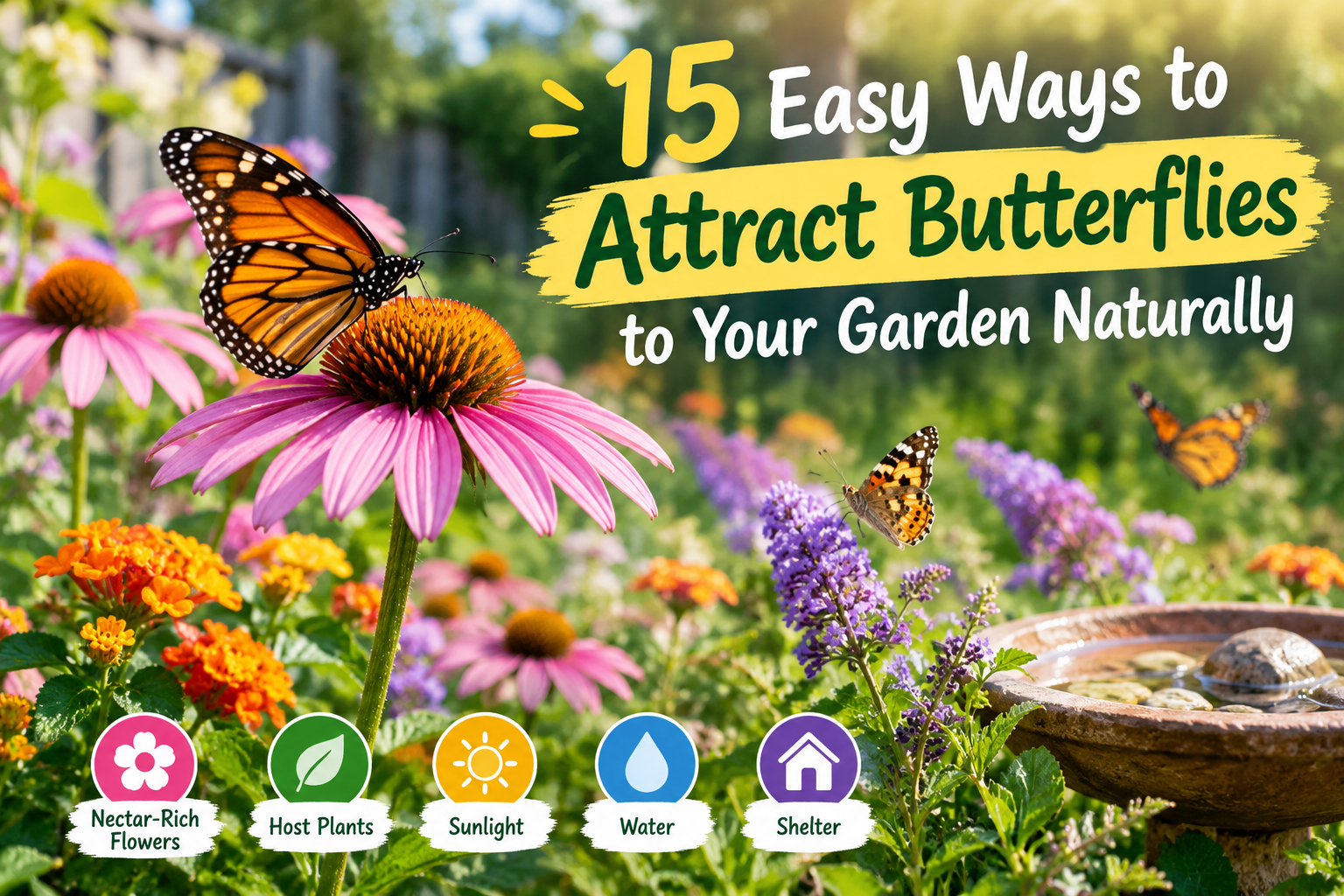
Moreover, gardening offers many personal benefits. It helps reduce stress, encourages outdoor activity, improves your home’s appearance, and even supports local wildlife such as bees and butterflies. Most importantly, it allows you to grow fresh, chemical-free produce for your family.
In this complete guide, you’ll learn everything you need to know to start your gardening journey with confidence, from choosing the perfect location to selecting essential tools and creating the ideal environment for healthy plant growth.
What Is Home Gardening?
Home gardening is the practice of growing plants, vegetables, fruits, herbs, and flowers in or around your home. Depending on your available space, a home garden can be as simple as a few containers on a balcony or as large as a fully landscaped backyard.
The main purpose of home gardening is to create a healthy, attractive, and productive outdoor or indoor space while enjoying the many physical and mental benefits it provides.
Types of Home Gardens
- Vegetable Gardens – Grow fresh vegetables such as tomatoes, cucumbers, lettuce, and peppers.
- Flower Gardens – Add color, fragrance, and beauty to your outdoor space.
- Herb Gardens – Grow basil, mint, rosemary, parsley, and other kitchen herbs.
- Container Gardens – Perfect for balconies, patios, and small spaces.
- Raised Bed Gardens – Improve drainage and make gardening easier to manage.
- Indoor Gardens – Grow houseplants and herbs inside your home.
Benefits of Home Gardening
Starting a garden offers far more than beautiful plants. It can improve your lifestyle, save money, and provide a relaxing escape from everyday stress.
Why You Should Start Gardening
- Grow fresh, healthy vegetables and herbs at home.
- Reduce grocery expenses over time.
- Enjoy regular outdoor exercise.
- Relieve stress and improve mental well-being.
- Beautify your backyard or outdoor space.
- Support pollinators like bees and butterflies.
- Spend quality time with family through shared gardening activities.
- Learn valuable skills about plants and nature.
Gardening is suitable for people of all ages and experience levels, making it one of the most rewarding hobbies you can enjoy year-round.
Choosing the Best Location
Selecting the right location is one of the most important steps in home gardening for beginners. Even healthy plants struggle to grow if they don’t receive enough sunlight or proper drainage.
Look for These Conditions
☀️ Plenty of Sunlight
Most vegetables and flowering plants need 6–8 hours of direct sunlight every day.
💧 Good Drainage
Avoid areas where water collects after rainfall. Well-drained soil prevents root rot and promotes healthy growth.
🚰 Easy Access to Water
Choose a location close to a water source so watering your plants is convenient.
🌬️ Protection from Strong Winds
A sheltered location helps protect delicate plants from damage and excessive moisture loss.
Essential Gardening Tools
You don’t need expensive equipment to start gardening. A few basic tools are enough for most beginners.
Must-Have Gardening Tools
- Hand Trowel – For digging and transplanting.
- Garden Gloves – Protect your hands while working.
- Watering Can or Garden Hose – Keeps plants properly hydrated.
- Pruning Shears – Remove dead or damaged branches.
- Garden Fork – Loosens compacted soil.
- Hand Rake – Levels soil and removes debris.
- Spade or Shovel – Useful for larger digging tasks.
- Wheelbarrow (Optional) – Makes moving soil, compost, and plants easier.
Investing in quality tools will save time and make gardening more enjoyable.
Comparison Table: Popular Home Gardening Methods
| Gardening Method | Best For | Space Needed | Maintenance | Ideal for Beginners |
|---|---|---|---|---|
| Container Gardening | Balconies and patios | Small | Easy | ✅ Yes |
| Raised Bed Gardening | Vegetables and herbs | Medium | Moderate | ✅ Yes |
| In-Ground Gardening | Large backyards | Large | Moderate | ✅ Yes |
| Vertical Gardening | Small outdoor spaces | Very Small | Easy | ✅ Yes |
| Indoor Gardening | Herbs and houseplants | Small | Easy | ✅ Yes |
Key Takeaway
The best gardening method depends on your available space, budget, and the types of plants you want to grow. If you’re just starting, container gardening or raised beds are excellent options because they’re simple to manage and require less maintenance than traditional in-ground gardens.
Soil Preparation
Healthy plants begin with healthy soil. One of the biggest mistakes in home gardening for beginners is planting without preparing the soil first. Good soil provides plants with nutrients, water, and oxygen, helping them develop strong roots and produce healthy growth.
Before planting, remove weeds, rocks, and debris from the area. Loosen compacted soil using a garden fork or shovel so roots can spread easily.
How to Improve Your Garden Soil
- Mix compost into the soil to increase nutrients.
- Add well-rotted manure for better fertility.
- Use mulch to retain moisture and reduce weeds.
- Check soil drainage before planting.
- Test your soil’s pH if possible.
Most vegetables and flowers grow best in slightly acidic to neutral soil with a pH between 6.0 and 7.0.
Healthy soil is the foundation of a productive garden, so spending time preparing it will reward you throughout the growing season.
Choosing the Right Plants
Selecting plants that match your local climate and gardening experience makes success much easier.
As a beginner, avoid starting with plants that require constant attention. Instead, choose varieties that are known for being hardy and easy to grow.
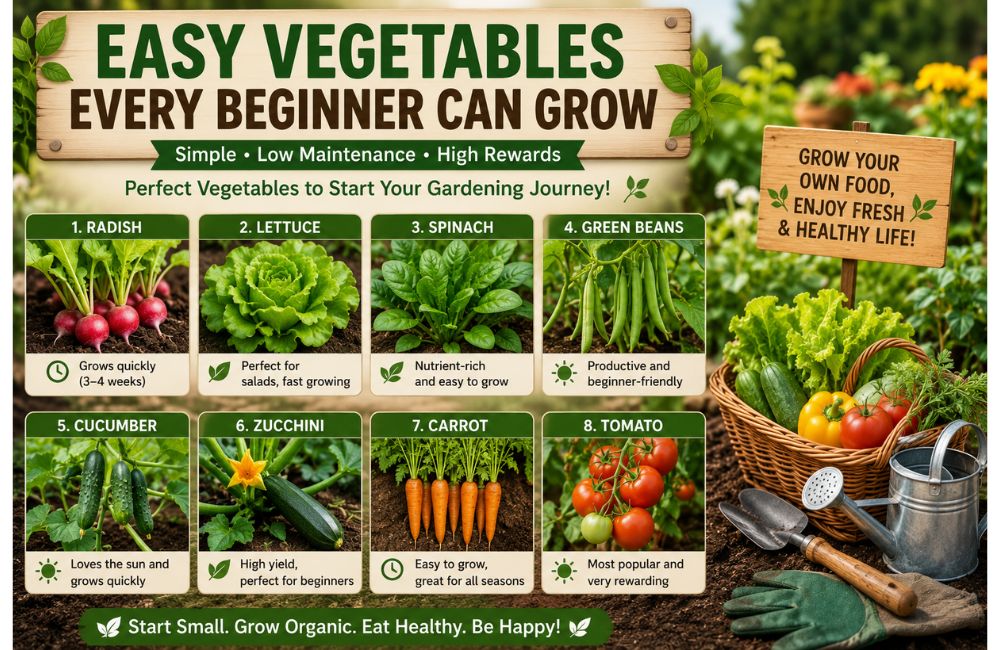
Best Plants for Beginners
Vegetables
- Tomatoes
- Lettuce
- Spinach
- Radishes
- Cucumbers
- Green beans
Herbs
- Basil
- Mint
- Parsley
- Chives
- Rosemary
Flowers
- Marigolds
- Sunflowers
- Zinnias
- Petunias
- Lavender
Native plants are another excellent choice because they naturally adapt to your local weather and often require less maintenance.
Start with a small number of plants instead of filling your entire garden. As your confidence grows, you can gradually expand your garden each season.
Watering Your Garden Properly
Watering is one of the most important parts of gardening. Too little water can weaken plants, while too much water may lead to root rot and disease.
Rather than watering every day, focus on watering deeply so moisture reaches the roots.
Best Watering Tips
- Water early in the morning whenever possible.
- Avoid watering during the hottest part of the day.
- Water the soil instead of the leaves.
- Check soil moisture before watering.
- Reduce watering during rainy periods.
A simple way to test your soil is by inserting your finger about an inch into the soil. If it feels dry, it’s time to water.
Mulching around plants also helps reduce water evaporation and keeps the soil cool during warm weather.
Fertilizing Your Plants
Plants need nutrients to grow strong stems, healthy leaves, colorful flowers, and productive fruits.
Even rich soil gradually loses nutrients as plants grow, making regular fertilizing important.
Essential Plant Nutrients
- Nitrogen (N): Encourages leafy growth.
- Phosphorus (P): Supports healthy roots and flowering.
- Potassium (K): Improves overall plant strength and disease resistance.
Fertilizing Tips for Beginners
- Follow the instructions on fertilizer labels.
- Apply fertilizer during active growing seasons.
- Avoid over-fertilizing, which can damage plants.
- Water after applying granular fertilizers.
Organic fertilizers release nutrients more slowly than synthetic products, making them a safe option for beginner gardeners.
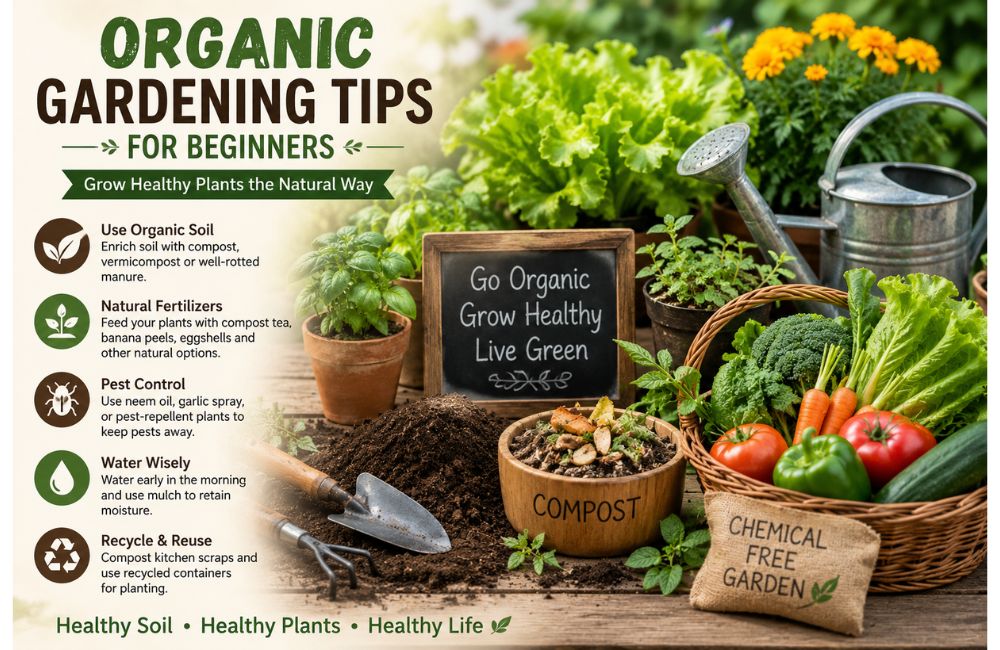
Organic Gardening
It focuses on growing plants naturally without relying on synthetic chemicals or pesticides.
This method promotes healthier soil, protects beneficial insects, and creates a safer environment for people, pets, and wildlife.
Easy Organic Gardening Practices
- Add homemade compost to enrich the soil.
- Use natural mulch such as straw or shredded leaves.
- Encourage helpful insects like ladybugs and bees.
- Rotate crops each season.
- Remove weeds by hand whenever possible.
- Use natural pest-control methods before chemical solutions.
Organic gardening may take a little more patience, but it helps build a healthier and more sustainable garden over time.
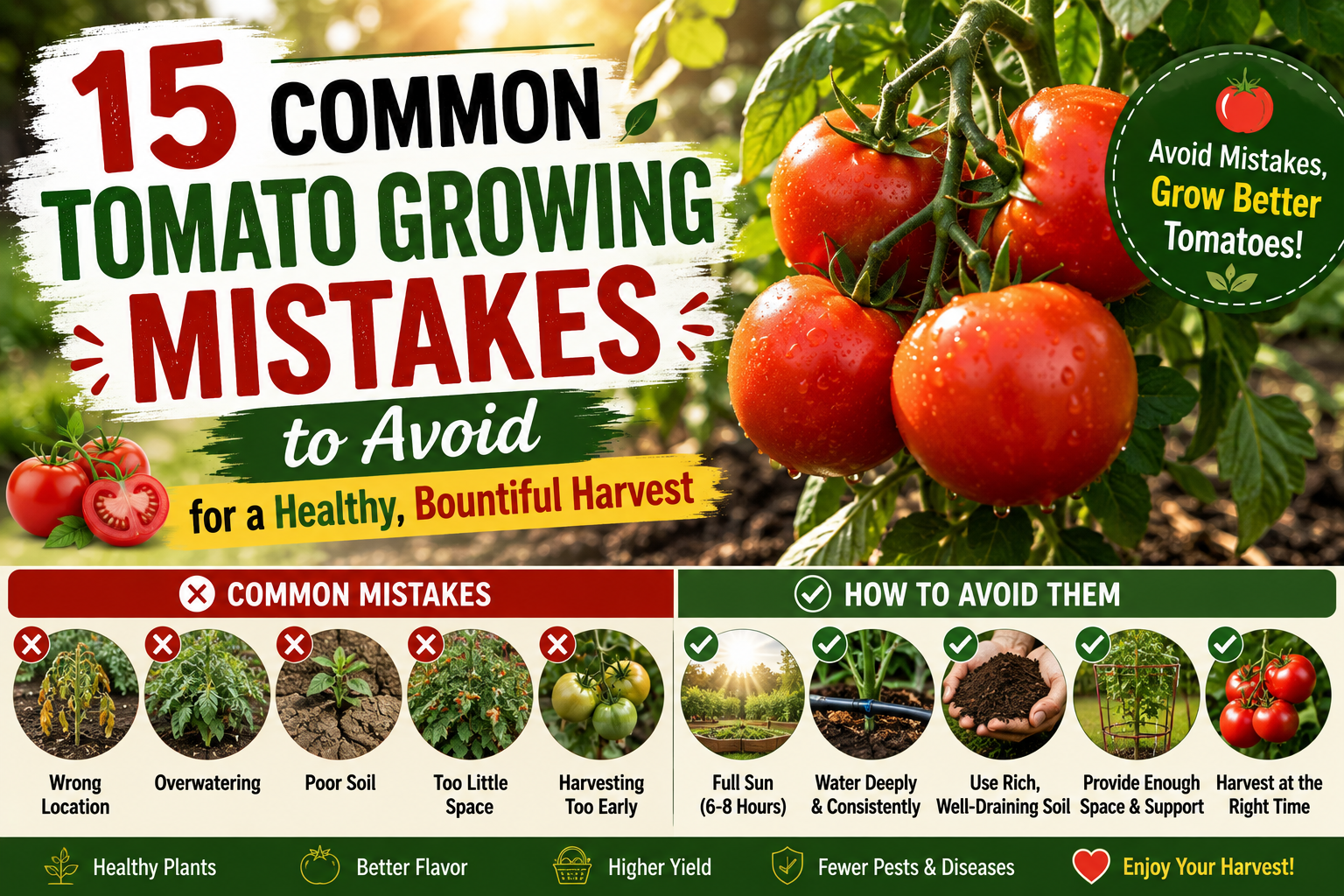
Common Beginner Mistakes to Avoid
Every gardener makes mistakes, especially when starting out. Learning from these common problems can save both time and effort.
1. Planting Too Much
Many beginners plant more than they can maintain.
Start with a small garden and expand gradually.
2. Ignoring Sunlight Requirements
Different plants require different amounts of sunlight.
Always read plant labels before planting.
3. Overwatering
Too much water is often more harmful than too little.
Always check soil moisture before watering.
4. Poor Soil Preparation
Planting directly into poor-quality soil often results in slow growth and disappointing harvests.
Improve the soil before planting.
5. Forgetting to Weed
Weeds compete with plants for nutrients, sunlight, and water.
Remove them regularly while they’re still small.
6. Planting at the Wrong Time
Every plant has an ideal growing season.
Follow local planting calendars for the best results.
7. Expecting Instant Results
Gardening requires patience.
Healthy gardens develop over time through consistent care and observation.
Key Takeaway
Successful home gardening for beginners starts with healthy soil, suitable plants, proper watering, balanced fertilizing, and simple organic practices. Avoiding common mistakes will help your garden grow stronger and make gardening a more enjoyable and rewarding experience.
Seasonal Gardening Tips
Every season brings new opportunities and challenges for your garden. Understanding what your plants need throughout the year will help them stay healthy and productive.
🌸 Spring
Spring is the perfect time to prepare your garden for the growing season.
- Remove weeds and dead plants.
- Add compost to enrich the soil.
- Plant vegetables, herbs, and flowers suited to your climate.
- Check irrigation systems and garden tools.
☀️ Summer
Warm weather encourages rapid plant growth but also increases water needs.
- Water deeply during the early morning.
- Apply mulch to retain moisture.
- Remove faded flowers to encourage new blooms.
- Watch for signs of pests and diseases.
🍂 Autumn
Autumn is ideal for cleaning up the garden and preparing for cooler weather.
- Harvest remaining vegetables.
- Plant cool-season crops where suitable.
- Remove fallen leaves from plant beds.
- Add compost and organic matter to improve soil.
❄️ Winter
Although many plants become dormant, winter is an important planning season.
- Protect sensitive plants from frost.
- Clean and store gardening tools.
- Plan next season’s garden layout.
- Order seeds for spring planting.
Following seasonal gardening practices keeps your garden productive all year long.
Pest Control
Garden pests are a common challenge, but they don’t always require chemical treatments. Many problems can be managed naturally through regular inspection and good gardening habits.
Common Garden Pests
- Aphids
- Caterpillars
- Snails and slugs
- Whiteflies
- Spider mites
Natural Pest Control Tips
- Inspect plants every few days.
- Remove damaged leaves promptly.
- Encourage beneficial insects like ladybugs and lacewings.
- Keep your garden clean and weed-free.
- Use homemade solutions, such as diluted neem oil or insecticidal soap, when needed.
Healthy plants are naturally more resistant to pests, so proper watering, fertilizing, and soil care are your first line of defense.
Garden Maintenance
A beautiful garden doesn’t require hours of work every day. Small, consistent tasks make a big difference over time.
Weekly Garden Checklist
- Water plants as needed.
- Pull weeds before they spread.
- Remove dead flowers and leaves.
- Check for pests and diseases.
- Harvest vegetables regularly.
- Clean and organize gardening tools.
- Monitor plant growth and provide support for climbing plants.
Spending just 15–20 minutes a few times each week can keep your garden healthy and attractive throughout the year.
Conclusion
Starting a garden may seem overwhelming at first, but it quickly becomes an enjoyable and rewarding experience. This home gardening for beginners guide has covered the essential steps to help you build a thriving garden, from choosing the right location and preparing healthy soil to watering correctly, selecting suitable plants, and maintaining your garden throughout the seasons.
Every successful gardener was once a beginner, and learning through experience is part of the journey. Small mistakes are valuable opportunities to improve your gardening skills. As your confidence grows, begin with a few easy-to-grow plants and gradually expand your garden over time.
With patience, regular maintenance, and a willingness to learn, you’ll soon enjoy beautiful flowers, healthy vegetables, and a backyard full of life.
Happy gardening!
Frequently Asked Questions (FAQs)
1. What is the easiest plant to grow for beginners?
Lettuce, radishes, basil, marigolds, and tomatoes are excellent choices because they grow quickly and require minimal care.
2. How often should I water my garden?
Most gardens need deep watering one to three times per week, depending on the weather, soil type, and plant variety. Always check the soil before watering.
3. Can I start a garden without a backyard?
Yes. Container gardening allows you to grow vegetables, herbs, and flowers on balconies, patios, and even windowsills.
4. What type of soil is best for home gardening?
Well-drained soil rich in organic matter is ideal. Mixing compost into your soil improves fertility and supports healthy root growth.
5. Is organic gardening better for beginners?
Yes. Organic gardening encourages healthier soil, reduces the use of synthetic chemicals, and is simple to practice using compost, mulch, and natural pest-control methods.
6. How much sunlight do most garden plants need?
Most vegetables and flowering plants require at least six to eight hours of direct sunlight each day for healthy growth.
You can also check our article 10 Easy Plants Beginners Can Grow