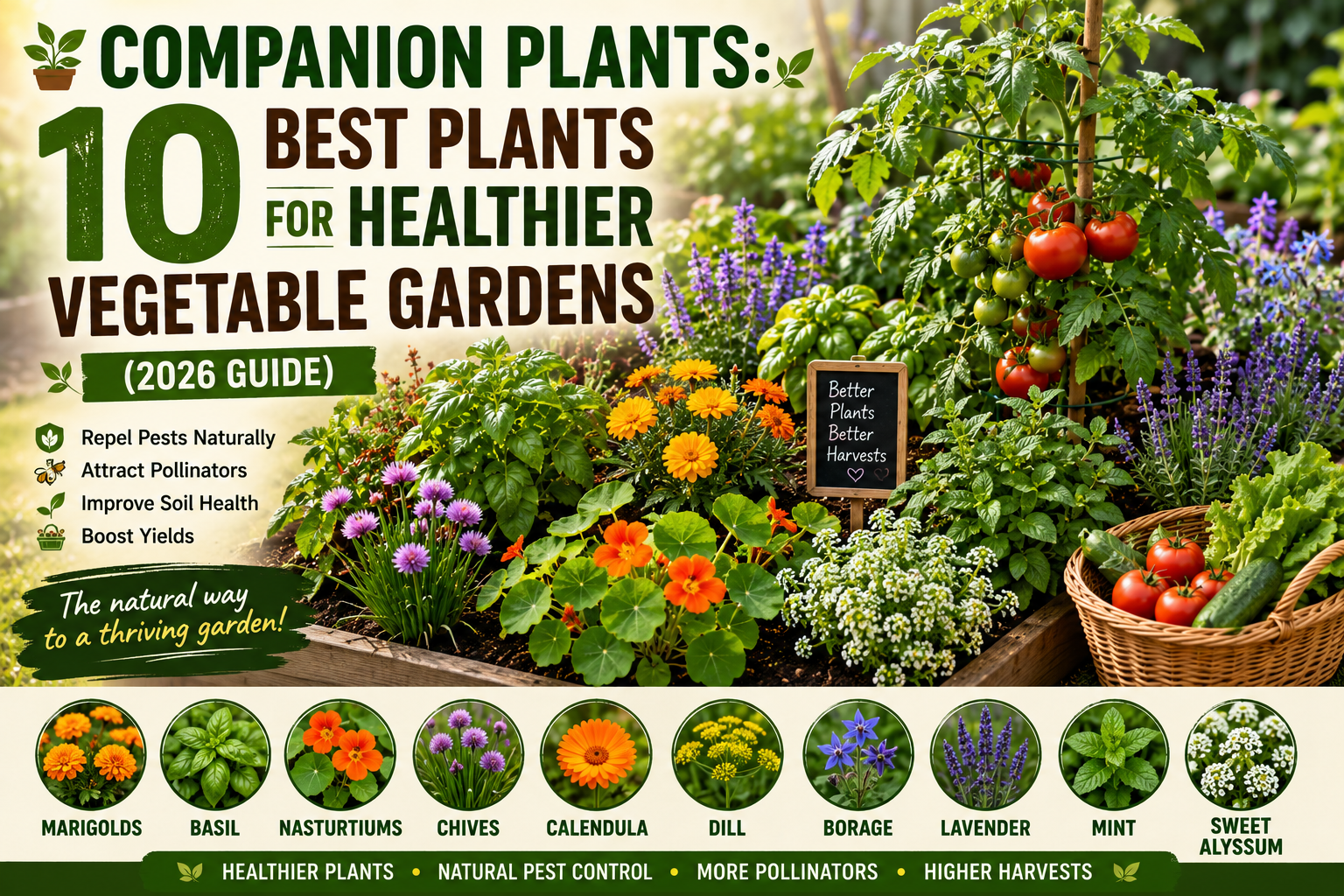
Growing healthy vegetables isn’t just about watering, fertilizing, and providing enough sunlight. Choosing the right Companion Plants can also make a big difference in the success of your garden. Companion planting is a natural gardening method where certain plants are grown together because they help each other thrive. Some companion plants attract beneficial insects and pollinators, while others naturally repel harmful pests or improve soil health. This simple technique can lead to healthier plants, higher yields, and a more balanced garden ecosystem without relying heavily on chemical pesticides. Whether you’re growing tomatoes, cucumbers, peppers, beans, or leafy greens, adding the right Companion Plants can make your vegetable garden more productive and easier to maintain. Companion planting is suitable for gardens of all sizes, including raised garden beds, container gardens, and traditional backyard gardens. It’s also an excellent choice for beginners because it’s affordable, environmentally friendly, and easy to implement. In this guide, you’ll learn why companion planting is so effective, discover its many benefits, understand how it works, and compare it with traditional planting methods. By the end, you’ll be ready to create a healthier and more productive vegetable garden naturally. Why Companion Plants Matter Companion Plants play an important role in creating a healthy and balanced vegetable garden. Instead of growing vegetables alone, companion planting combines different plants that support one another. This natural gardening technique has been used for centuries because it helps reduce pests, attract pollinators, improve soil quality, and encourage stronger plant growth. Many vegetables become healthier when planted near flowers or herbs that naturally repel insects or attract beneficial predators. For example, marigolds help deter certain soil pests, while basil can improve the growth of nearby tomatoes. Some companion plants even help shade the soil, reducing moisture loss during hot weather. By choosing the right plant combinations, gardeners can reduce the need for chemical pesticides and fertilizers while creating a more diverse and attractive garden. Why Companion Plants Are Important Using Companion Plants is a simple yet highly effective way to grow healthier vegetables while supporting a balanced garden ecosystem. Benefits of Companion Planting Companion planting offers many advantages beyond pest control. It helps plants grow stronger, improves harvest quality, and creates a healthier environment for both plants and beneficial wildlife. Natural Pest Control Many Companion Plants release scents that confuse or repel harmful insects. Others attract beneficial insects that feed on common garden pests such as aphids, whiteflies, and caterpillars. Better Pollination Flowers like sweet alyssum, borage, and lavender attract bees and butterflies, increasing pollination for vegetables that produce fruit. Improved Soil Health Some companion plants improve soil quality by fixing nitrogen or adding organic matter when they decompose. Increased Biodiversity Growing a variety of plants encourages beneficial insects, birds, and microorganisms that contribute to a healthier garden ecosystem. Efficient Use of Space Companion planting allows gardeners to grow multiple crops together, making better use of limited garden space. Reduced Weed Growth Ground-cover companion plants help shade the soil, reducing weed growth and conserving moisture. Healthier Harvests Vegetables grown with suitable companions often experience fewer pest problems and produce stronger, healthier crops. Key Benefits of Companion Planting Whether you’re a beginner or an experienced gardener, adding Companion Plants can significantly improve the health and productivity of your vegetable garden. How Companion Planting Works Companion planting works by taking advantage of the natural relationships between different plants. Certain plants help each other grow by providing protection, improving soil conditions, attracting beneficial insects, or discouraging pests. For example, flowering plants attract pollinators that improve vegetable production, while aromatic herbs can mask the scent of vegetables, making them harder for pests to find. Some plants also have different root depths, allowing them to use water and nutrients from different soil levels instead of competing with one another. Ways Companion Plants Support Vegetables Pest Repellent Plants Strongly scented herbs and flowers help discourage insects. Examples include: Pollinator Plants These flowers attract bees, butterflies, and other helpful insects. Examples include: Beneficial Insect Attractors Some plants attract insects that naturally feed on pests. Examples include: Soil-Improving Plants Legumes and other nitrogen-fixing plants improve soil fertility for nearby vegetables. Examples include: Beginner Tips for Successful Companion Planting Understanding how Companion Plants interact with vegetables allows gardeners to create healthier, more productive gardens naturally. Comparison Table: Companion Planting vs. Traditional Planting Feature Companion Planting Traditional Planting Pest Control Natural pest reduction using beneficial plants Often depends on pesticides or manual control Pollination Attracts more bees and butterflies May attract fewer pollinators Soil Health Can improve soil naturally with diverse plants Soil improvement usually requires additional amendments Biodiversity High diversity of flowers, herbs, and vegetables Often limited to one or two crop types Chemical Use Reduced need for pesticides May require more chemical treatments Garden Appearance Colorful, diverse, and visually attractive Simpler, less diverse appearance Best For Organic and sustainable vegetable gardening Conventional vegetable gardening 10 Best Companion Plants for Vegetables Adding Companion Plants to your vegetable garden is one of the easiest ways to improve plant health naturally. The right companion plants can repel harmful insects, attract pollinators, improve soil quality, and even increase vegetable yields. Below are ten of the best companion plants that work well in most home gardens. Companion Plant #1 – Marigolds Marigolds are one of the most popular Companion Plants because of their bright flowers and natural pest-repelling properties. Why It’s Beneficial Marigolds release a scent that helps deter certain pests, including aphids, whiteflies, and some soil-dwelling nematodes. Their colorful blooms also attract beneficial pollinators. Best Vegetables to Pair With Growing Requirements Benefits for Pest Control or Pollination Beginner-Friendly Tips Companion Plant #2 – Basil Basil is a fragrant herb that improves both the health and flavor of nearby vegetables. Why It’s Beneficial Its strong aroma helps confuse certain insect pests while attracting pollinators during flowering. Best Vegetables to Pair With Growing Requirements Benefits for Pest Control or Pollination Beginner-Friendly Tips Companion Plant #3 – Nasturtiums Nasturtiums are colorful flowers that act as trap crops by
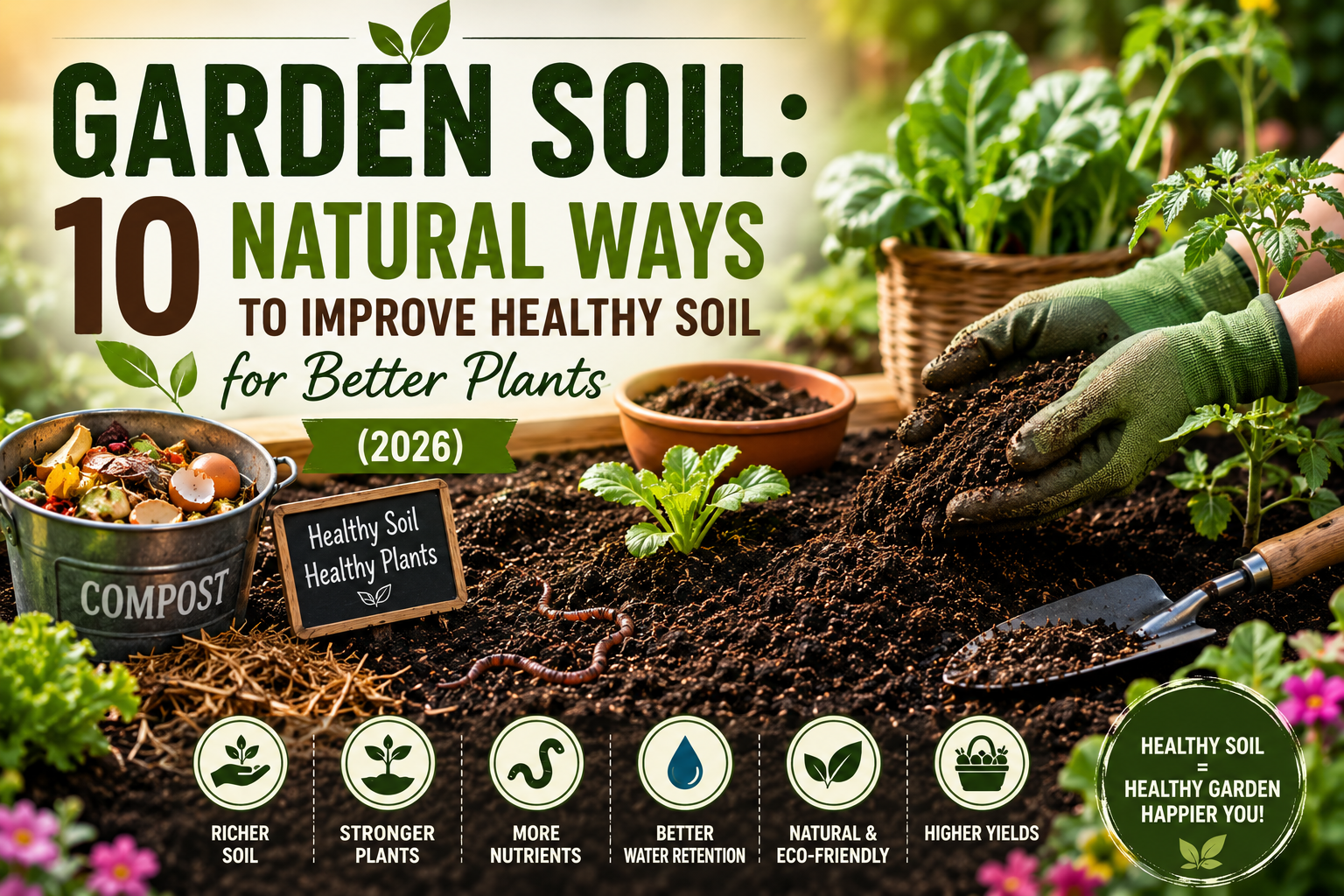
🌾 Garden Soil: 10 Natural Ways to Improve Healthy Soil
Healthy Garden Soil is the foundation of every successful garden. Whether you’re growing vegetables, flowers, herbs, or shrubs, the quality of your soil directly affects how well your plants grow. Rich, fertile soil provides essential nutrients, holds the right amount of moisture, and allows roots to develop properly. Unfortunately, many gardens have poor soil that is compacted, sandy, or lacking in nutrients, making it difficult for plants to thrive. The good news is that you don’t need expensive products or harsh chemicals to improve your Garden Soil. Natural methods such as adding compost, using organic mulch, planting cover crops, and encouraging beneficial soil organisms can gradually transform poor soil into a healthy growing environment. These techniques not only improve soil structure but also increase fertility, support earthworms and beneficial microbes, and help plants become stronger and more resistant to pests and diseases. In this guide, you’ll learn why healthy Garden Soil matters, how to identify common soil problems, and the different types of garden soil. You’ll also discover practical, beginner-friendly methods to naturally improve your soil and create a thriving, productive garden for years to come. Why Healthy Garden Soil Matters Healthy Garden Soil is much more than just dirt. It is a living ecosystem filled with beneficial microorganisms, organic matter, earthworms, and nutrients that work together to support plant growth. When your soil is healthy, plants develop stronger roots, absorb nutrients more efficiently, and produce healthier flowers, vegetables, and fruits. Improving your garden soil naturally also benefits the environment by reducing the need for chemical fertilizers and helping the soil retain water more effectively. Benefits of Healthy Garden Soil Investing time in improving your Garden Soil today will reward you with healthier plants and better harvests for many growing seasons. Signs Your Garden Soil Needs Improvement Before improving your Garden Soil, it’s important to identify whether it has problems. Healthy soil should feel loose, smell earthy, and drain well. If your plants struggle to grow, the soil may need attention. Poor Plant Growth If plants remain small, produce few flowers, or have yellow leaves despite proper watering, your soil may lack essential nutrients. Water Drains Too Quickly Sandy soil often allows water to pass through too fast, preventing plant roots from absorbing enough moisture. Water Stays on the Surface Clay soil may become compacted, causing water to pool after rainfall or irrigation. Poor drainage can lead to root rot and other plant diseases. Hard, Compacted Soil If digging is difficult or plant roots struggle to spread, your soil is likely compacted and needs organic matter to improve its structure. Few Earthworms Earthworms are excellent indicators of healthy Garden Soil. If you rarely see them while digging, your soil may lack organic material and biological activity. Common Signs Your Garden Soil Needs Improvement Recognizing these signs early allows you to improve soil before they seriously affect your garden. Common Types of Garden Soil Understanding your soil type helps you choose the best methods for improving Garden Soil naturally. Most gardens contain one of the following soil types. Sandy Soil Sandy soil contains large particles that allow water to drain quickly. Characteristics Best Improvement Methods Clay Soil Clay soil contains very small particles that hold water and nutrients but often become compacted. Characteristics Best Improvement Methods Loamy Soil Loamy soil is considered the ideal Garden Soil because it combines sand, silt, and clay in balanced proportions. Characteristics Best Improvement Methods Although loamy soil requires the least improvement, regular organic care helps maintain its fertility. Comparison Table: Sandy Soil vs. Clay Soil vs. Loamy Soil Feature Sandy Soil Clay Soil Loamy Soil Texture Loose and gritty Heavy and sticky Soft and crumbly Drainage Very fast Slow Excellent Nutrient Retention Low High High Water Retention Low Very high Balanced Ease of Digging Easy Difficult Easy Best For Root vegetables with soil improvement Moisture-loving plants after amendment Most vegetables, flowers, herbs, and fruits Improvement Needed Add compost and organic matter Improve drainage and reduce compaction Maintain fertility with compost 10 Natural Ways to Improve Garden Soil Improving Garden Soil naturally is one of the best investments you can make for a healthy and productive garden. Organic methods not only increase soil fertility but also improve its structure, encourage beneficial microorganisms, and create an ideal environment for strong plant growth. The following ten methods are simple, affordable, and perfect for beginners. Method #1 – Add Compost Compost is often called “black gold” because it is one of the most effective ways to improve Garden Soil naturally. It enriches the soil with nutrients while improving its ability to hold moisture and drain excess water. Why It’s Important Compost feeds beneficial microorganisms and provides plants with a steady supply of nutrients, leading to healthier growth and improved harvests. How to Do It Benefits Beginner-Friendly Tips Method #2 – Use Aged Manure Well-aged manure is another excellent natural fertilizer that improves Garden Soil and supplies essential nutrients for healthy plants. Why It’s Important Aged manure adds organic matter while increasing nitrogen, phosphorus, and potassium levels naturally. How to Do It Benefits Beginner-Friendly Tips Method #3 – Grow Cover Crops Cover crops, also known as green manure, protect and improve Garden Soil between growing seasons. Why It’s Important They prevent erosion, suppress weeds, and add valuable organic matter when turned into the soil. How to Do It Popular cover crops include: Grow them during the off-season and cut them down before they produce seeds. Benefits Beginner-Friendly Tips Method #4 – Apply Organic Mulch Organic mulch protects Garden Soil while gradually improving its quality as it breaks down. Why It’s Important Mulch conserves moisture, reduces weeds, and protects soil from temperature extremes. How to Do It Apply a 2–3-inch layer around plants using materials such as: Benefits Beginner-Friendly Tips Method #5 – Add Worm Castings Worm castings are nutrient-rich natural fertilizers produced by earthworms. Why It’s Important They improve Garden Soil by increasing beneficial microorganisms and making nutrients more available to plants. How to Do It Benefits Beginner-Friendly Tips
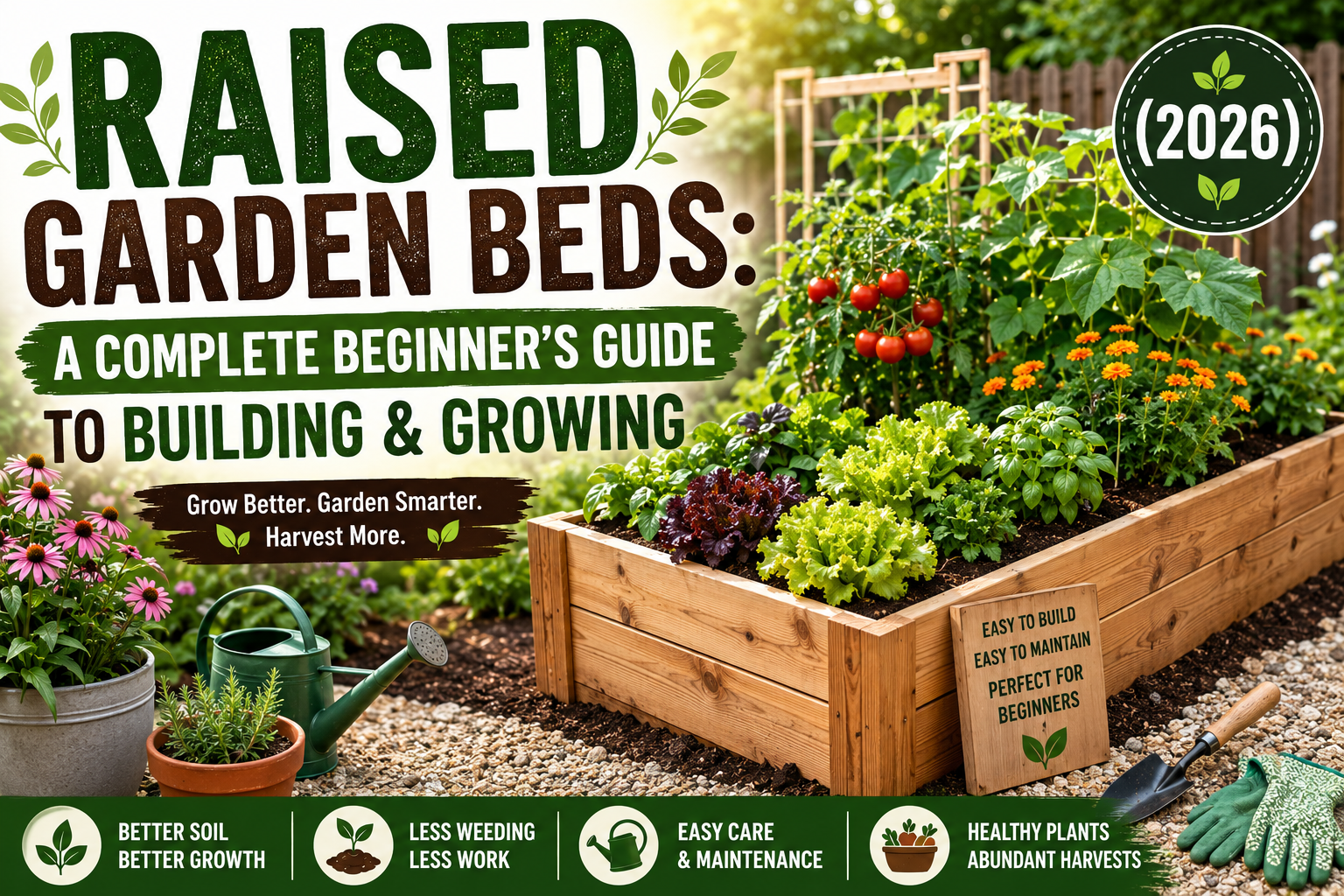
🌱 Raised Garden Beds: A Complete Beginner’s 10 steps Guide to Building & Growing 2026
Raised Garden Beds are one of the easiest and most effective ways to start gardening, especially if you’re a beginner. Unlike traditional in-ground gardens, raised beds offer better soil control, improved drainage, and easier maintenance. Whether you want to grow fresh vegetables, colorful flowers, herbs, or small fruits, raised garden beds provide an organized and productive gardening space that can fit almost any backyard. One of the biggest advantages of Raised Garden Beds is that they allow you to create ideal growing conditions, even if your existing soil is poor or rocky. They also reduce weed growth, improve accessibility, and help plants develop stronger root systems. With the right location, quality materials, and proper care, a raised garden bed can produce healthy plants and abundant harvests for many years. In this beginner’s guide, you’ll learn why raised garden beds are so popular, explore their many benefits, discover how to choose the best location and materials, and compare them with traditional gardening methods. Whether you’re creating your first vegetable garden or upgrading your outdoor space, this guide will help you get started with confidence. Why Choose Raised Garden Beds? Many gardeners choose Raised Garden Beds because they make gardening simpler, more productive, and easier to manage. Instead of working directly with your backyard soil, you can create a customized growing area that provides the perfect environment for healthy plants. Raised beds also warm up more quickly in spring, allowing you to start planting earlier than in-ground gardens. Because the soil drains better, plants are less likely to suffer from waterlogged roots after heavy rainfall. Another advantage is that raised beds help organize your garden. Clearly defined planting areas make it easier to care for plants, maintain neat pathways, and reduce accidental damage from walking on the soil. Reasons to Choose Raised Garden Beds Whether your goal is growing vegetables, herbs, flowers, or small fruits, Raised Garden Beds provide a reliable and beginner-friendly gardening solution. Benefits of Raised Garden Beds There are many reasons why Raised Garden Beds have become increasingly popular among home gardeners. They offer practical benefits that improve both plant health and the overall gardening experience. Better Soil Quality One of the biggest advantages is the ability to choose your own soil. Instead of relying on poor native soil, you can fill your raised bed with a nutrient-rich mix that promotes healthy root development and vigorous plant growth. Improved Drainage Excess water drains away more efficiently in raised beds, reducing the risk of root rot and fungal diseases. This is especially helpful in areas with heavy clay soil or frequent rainfall. Easier Maintenance Since raised beds have clearly defined planting areas, tasks such as watering, weeding, fertilizing, and harvesting become much easier. Fewer Weeds Raised beds contain fresh, clean soil that usually has fewer weed seeds than existing garden soil. Adding mulch further helps suppress unwanted weeds. Better Pest Control Although no garden is completely pest-free, raised beds can make it easier to protect plants by installing row covers, netting, or fencing around the growing area. Improved Accessibility Raised beds reduce the need to bend or kneel while gardening, making them a comfortable option for older adults and people with limited mobility. Longer Growing Season Because the soil warms faster in spring and drains well after rain, gardeners can often begin planting earlier and continue growing later into the season. Choosing the Best Location for Raised Garden Beds Selecting the right location is one of the most important decisions you’ll make when building Raised Garden Beds. Even the best soil and healthiest plants cannot perform well if they don’t receive the proper growing conditions. Ensure Plenty of Sunlight Most vegetables, herbs, and flowering plants require at least 6 to 8 hours of direct sunlight each day. Observe your backyard throughout the day to identify the sunniest location before building your raised beds. Choose Level Ground A flat surface helps distribute water evenly throughout the bed and prevents soil from washing away during heavy rain. If your yard has a slight slope, level the area before installation. Keep Water Nearby Choose a location close to a garden hose, rain barrel, or irrigation system. Easy access to water saves time and encourages consistent watering. Provide Good Air Circulation Proper airflow helps leaves dry more quickly after rain or watering, reducing the risk of fungal diseases. Avoid placing raised beds directly against solid walls or dense hedges that block air movement. Leave Room to Walk Plan enough space between raised beds so you can comfortably walk, water, weed, and harvest without stepping on the growing soil. Tips for Choosing the Best Location Choosing the Right Materials for Raised Garden Beds The materials you choose affect the durability, appearance, and lifespan of your Raised Garden Beds. Fortunately, there are several excellent options suitable for beginners. Cedar Wood Cedar is one of the most popular materials because it naturally resists rot, insects, and moisture. It can last for many years without chemical treatment. Redwood Redwood is another long-lasting option with excellent resistance to decay. Although it costs more than other woods, its durability makes it a worthwhile investment. Pressure-Treated Wood Modern pressure-treated lumber is commonly used for raised beds because it is durable and affordable. If growing edible crops, many gardeners prefer lining the inside with landscape fabric for added peace of mind. Composite Boards Composite materials made from recycled wood fibers and plastic require very little maintenance. They resist rot, warping, and insect damage, making them ideal for long-term use. Concrete Blocks Concrete blocks create sturdy, long-lasting raised beds that require almost no maintenance. They are especially useful for permanent garden designs. Galvanized Metal Galvanized steel raised beds have become increasingly popular due to their durability, modern appearance, and resistance to rust. Best Materials at a Glance Choose a material that fits both your budget and the style of your garden. Comparison Table: Raised Garden Beds vs. In-Ground Gardens vs. Container Gardening Feature Raised Garden Beds In-Ground Gardens Container Gardening Soil Quality
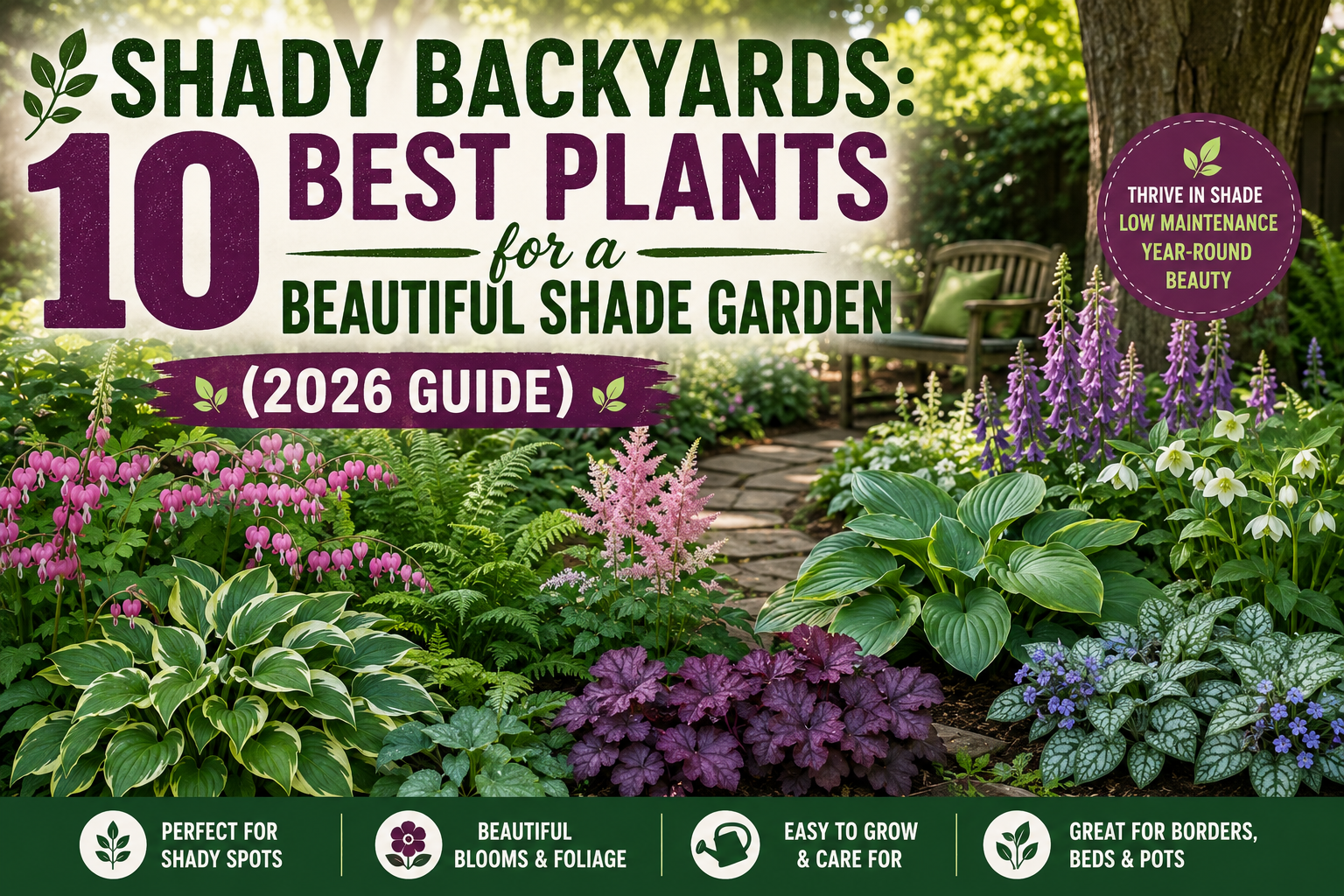
🌿 Shady Backyards:10 Best Plants for a Beautiful Garden
Many gardeners believe that a backyard needs full sunlight to be beautiful, but that’s far from the truth. Shady Backyards can be transformed into lush, colorful, and relaxing outdoor spaces with the right selection of shade-loving plants. Whether your backyard is shaded by tall trees, nearby buildings, or fences, there are plenty of plants that thrive in low-light conditions and bring texture, color, and year-round interest to your landscape. Choosing plants that naturally prefer partial or full shade is the key to creating a healthy and low-maintenance garden. These plants often feature attractive foliage, delicate flowers, and unique shapes that add depth and beauty where sun-loving plants might struggle. Many shade-loving varieties are also easy to grow, making them perfect for both beginner and experienced gardeners. In this guide, you’ll discover the best plants for Shady Backyards, learn what to consider before planting, and explore beautiful options that flourish in shaded areas. Whether you’re planning a peaceful woodland garden, refreshing an existing landscape, or filling empty corners of your yard, these plants will help you create a vibrant and inviting outdoor space. Why Choosing the Right Plants for Shady Backyards Matters Not every plant can thrive in areas with limited sunlight. Choosing species that are naturally adapted to shade helps ensure healthy growth, vibrant foliage, and long-lasting beauty. By selecting the right plants for Shady Backyards, you can create a garden that remains attractive throughout the year with less effort. Here are some of the main benefits of growing shade-loving plants. Healthy Plant Growth Plants that are suited to shady conditions grow stronger because they receive the amount of light they naturally need. They are less likely to suffer from scorched leaves, wilting, or slow growth. Lush Green Foliage Many shade-loving plants are valued for their attractive leaves rather than their flowers. Their rich green, blue, silver, or variegated foliage creates a calm and refreshing atmosphere in shaded areas. Adds Color to Dark Spaces Although shaded gardens receive less sunlight, they don’t have to look dull. Many shade-loving plants produce colorful flowers that brighten even the darkest corners of your backyard. Lower Water Requirements Shaded soil usually stays moist longer than sunny areas. As a result, many plants grown in Shady Backyards require less frequent watering, helping you conserve water during the growing season. Creates a Relaxing Outdoor Environment A shaded garden filled with beautiful plants provides a cool and peaceful retreat during warm weather. It becomes an ideal place to relax, read, or spend time with family and friends. Factors to Consider Before Choosing Shade-Loving Plants Before selecting plants for your Shady Backyards, take time to understand the growing conditions in your garden. Even shade-loving plants have different preferences, so matching the right plant to the right location is essential. Understand the Type of Shade Not all shade is the same. Knowing how much light your garden receives will help you choose suitable plants. Types of Shade Observe your backyard throughout the day to determine which type of shade is present. Check Soil Quality Healthy soil supports strong root development and vigorous plant growth. Improve poor soil by mixing in compost or other organic matter before planting. Consider Moisture Levels Some shaded areas stay damp because they receive little direct sunlight, while others beneath large trees may become quite dry due to root competition. Choose plants that match your soil’s moisture conditions for the best results. Think About Plant Size Consider the mature height and spread of each plant before planting. Proper spacing improves airflow and reduces the risk of fungal diseases. H3: Tips for Choosing Shade-Loving Plants Planning ahead will help your Shady Backyards remain healthy, colorful, and easy to maintain. Plant #1 – Hosta Hostas are among the most popular plants for Shady Backyards because of their large, decorative leaves and exceptional adaptability. They are available in many sizes and foliage colors, including green, blue, gold, and variegated varieties. Hostas create attractive borders, ground covers, and foundation plantings while requiring very little maintenance. Why It’s Ideal for Shady Backyards Growing Requirements Water Needs Keep the soil consistently moist, especially during hot, dry weather. Mulching helps retain moisture. Maintenance Tips Plant #2 – Ferns Ferns are classic shade garden plants that add graceful texture and lush greenery to Shady Backyards. Their delicate fronds create a natural woodland appearance and blend beautifully with flowering shade plants. Popular varieties include Japanese painted fern, lady fern, and ostrich fern. Why It’s Ideal for Shady Backyards Growing Requirements Water Needs Water regularly to keep the soil evenly moist, especially during dry periods. Maintenance Tips Plant #3 – Astilbe Astilbe is a stunning perennial that brightens Shady Backyards with its soft, feathery flower plumes in shades of pink, white, red, and lavender. It blooms during early to mid-summer and provides attractive foliage even after flowering. Its elegant appearance makes it perfect for borders, woodland gardens, and shaded flower beds. Why It’s Ideal for Shady Backyards Growing Requirements Water Needs Astilbe prefers consistently moist soil and should not be allowed to dry out completely. Maintenance Tips Comparison Table: Best Plants for Shady Backyards Plant Light Requirement Water Needs Main Feature Maintenance Level Best Garden Use Hosta Partial to Full Shade Moderate Large decorative foliage Low Borders and ground cover Ferns Partial to Full Shade Moderate to High Soft, feathery foliage Low Woodland gardens and shaded beds Astilbe Partial Shade High Colorful feathery flowers Moderate Flower borders and moist shaded areas Plant #4 – Coral Bells (Heuchera) Coral Bells, also known as Heuchera, are prized for their colorful foliage rather than their flowers. Their leaves come in shades of green, purple, silver, red, caramel, and lime, adding year-round interest to Shady Backyards. During late spring and early summer, they also produce delicate flower spikes that attract hummingbirds and pollinators. Why It’s Ideal for Shady Backyards Growing Requirements Water Needs Water regularly during the first growing season. Once established, Coral Bells tolerate short dry periods but perform best in evenly moist soil. Blooming Season Late
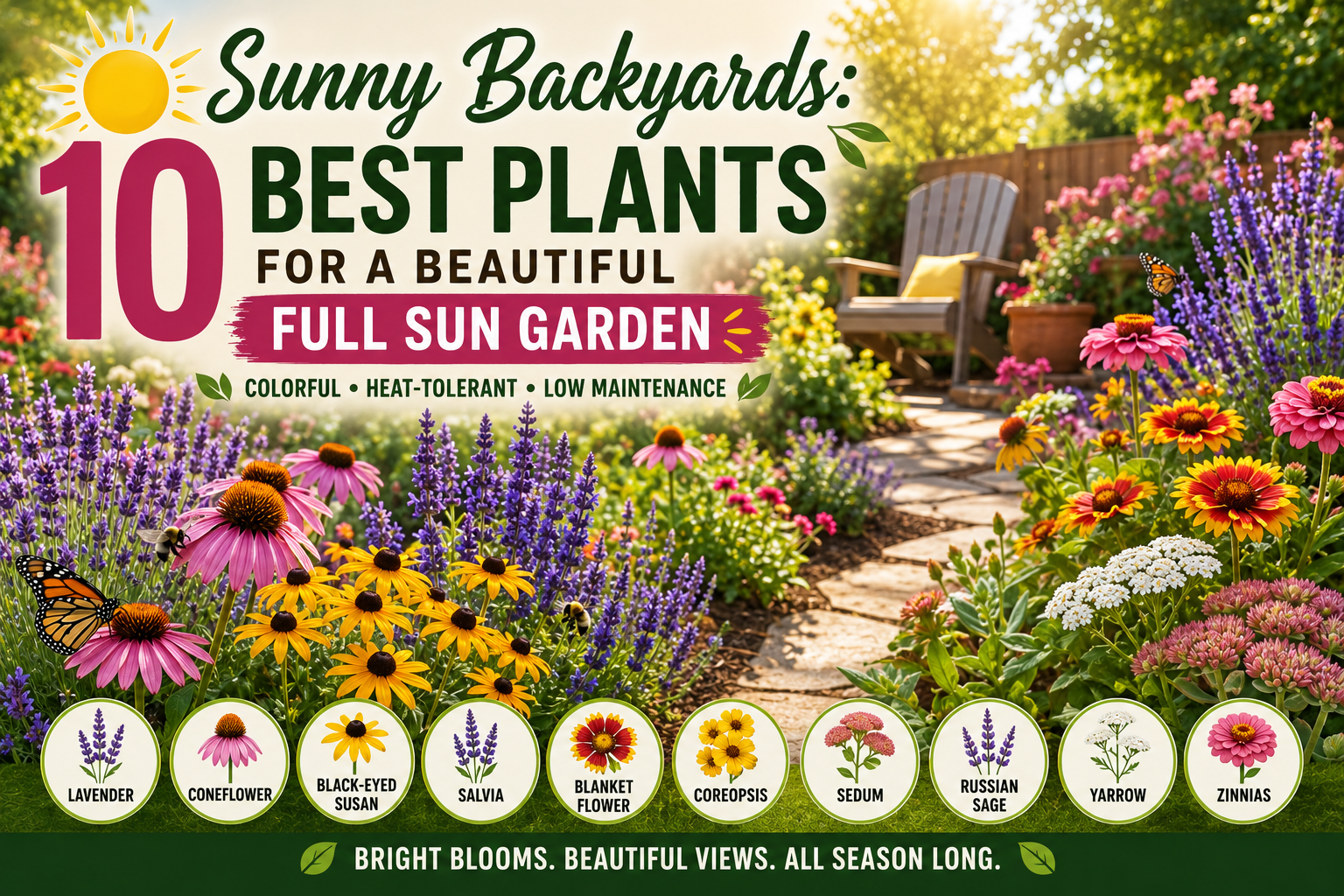
🌞 Sunny Backyards: 10 Best Plants for a Beautiful Garden
If your backyard receives six or more hours of direct sunlight each day, you have the perfect opportunity to grow a wide variety of beautiful and hardy plants. Sunny Backyards provide the ideal environment for colorful flowers, fragrant herbs, and drought-tolerant plants that thrive in bright conditions. However, choosing the right plants is essential to ensure your garden remains healthy, vibrant, and easy to maintain. Many sun-loving plants not only produce stunning blooms but also attract beneficial pollinators like bees, butterflies, and hummingbirds. They can transform an ordinary backyard into a lively outdoor space filled with color and natural beauty throughout the growing season. In addition, many of these plants require less water once established, making them an excellent choice for gardeners looking to conserve water and reduce maintenance. In this guide, you’ll discover the best plants for Sunny Backyards, learn what to consider before planting, and explore easy-to-grow options that are suitable for beginners and experienced gardeners alike. Whether you’re creating flower beds, borders, or a pollinator-friendly garden, these plants will help you build a beautiful landscape that flourishes under the sun. Why Choosing the Right Plants for Sunny Backyards Matters Not every plant can tolerate long hours of direct sunlight. While some species flourish in full sun, others may wilt, scorch, or struggle to grow. Selecting plants that naturally thrive in Sunny Backyards helps create a healthier, more attractive garden with less effort. Here are some key benefits of choosing sun-loving plants. Better Plant Growth Plants that enjoy full sunlight produce stronger stems, healthier leaves, and more abundant flowers. They use sunlight efficiently to create energy through photosynthesis, resulting in vigorous growth. More Colorful Blooms Many flowering plants produce brighter, longer-lasting blooms when they receive enough sunlight. A sunny backyard filled with colorful flowers creates a welcoming and eye-catching outdoor space. Lower Water Needs Many full-sun plants become drought-tolerant once established. As a result, they require less frequent watering than moisture-loving shade plants, helping you save both time and water. Attracts Pollinators Flowers that thrive in Sunny Backyards often attract bees, butterflies, hummingbirds, and other beneficial pollinators. These visitors help improve pollination, leading to healthier flowers, fruits, and vegetables. Easier Maintenance Plants suited to full sun generally experience fewer problems related to poor growth caused by insufficient light. With proper care, they remain healthier and require less maintenance over time. Creates a Beautiful Outdoor Space A well-planned sunny garden can enhance your home’s curb appeal and provide a relaxing place to spend time outdoors. Combining plants with different colors, heights, and blooming periods keeps your backyard attractive throughout the season. Factors to Consider Before Choosing Plants Before selecting plants for your Sunny Backyards, it’s important to understand your garden’s growing conditions. Choosing plants that match your environment will increase their chances of thriving. Sunlight Duration Most full-sun plants need at least six to eight hours of direct sunlight each day. Observe your backyard to determine which areas receive the most sunlight before planting. Soil Type Healthy soil is the foundation of a successful garden. Check whether your soil is sandy, clay-based, or loamy, and improve it with compost if necessary to enhance drainage and fertility. Climate Choose plants that are well suited to your local climate. Some varieties tolerate extreme heat, while others perform better in regions with mild summers. Water Requirements Although many sun-loving plants are drought-tolerant, newly planted flowers still need regular watering until their roots become established. Available Space Consider how large each plant will grow. Give plants enough room to spread naturally, allowing good air circulation and reducing the risk of disease. H3: Tips for Choosing the Best Plants Planning carefully before planting will help your Sunny Backyards remain healthy, colorful, and easy to care for throughout the year. Plant #1 – Lavender Lavender is one of the best choices for Sunny Backyards because it thrives in hot, dry conditions and fills the garden with beautiful purple flowers and a relaxing fragrance. It is also highly attractive to bees and butterflies, making it an excellent addition to pollinator-friendly landscapes. Once established, lavender requires minimal watering and very little maintenance, making it perfect for beginner gardeners. Growing Requirements Why Choose Lavender? With regular pruning after flowering, lavender remains compact and continues producing blooms year after year. Plant #2 – Coneflower (Echinacea) Coneflower is a hardy perennial that performs exceptionally well in Sunny Backyards. Known for its large daisy-like flowers in shades of purple, pink, white, and orange, it adds long-lasting color from summer into early autumn. This resilient plant tolerates heat, drought, and poor soil while attracting butterflies and bees. Growing Requirements Why Choose Coneflower? Leaving seed heads on the plants after blooming also provides food for birds during autumn and winter. Plant #3 – Black-Eyed Susan Black-Eyed Susan is a cheerful flowering perennial that brightens Sunny Backyards with its golden-yellow petals and dark centers. Its long blooming period and easy care make it a favorite among home gardeners. These flowers bloom throughout summer and continue adding vibrant color into early fall. Growing Requirements Why Choose Black-Eyed Susan? Black-Eyed Susan pairs beautifully with ornamental grasses, lavender, and coneflowers to create colorful, natural-looking garden borders. Comparison Table: Best Plants for Sunny Backyards Plant Sunlight Needs Water Needs Bloom Season Maintenance Level Pollinator Friendly Lavender Full Sun Low Late Spring to Summer Low ⭐⭐⭐⭐⭐ Coneflower (Echinacea) Full Sun Low to Moderate Summer to Early Fall Low ⭐⭐⭐⭐⭐ Black-Eyed Susan Full Sun Moderate Summer to Fall Low ⭐⭐⭐⭐☆ Plant #4 – Salvia Salvia is a colorful flowering perennial known for its tall spikes of purple, blue, pink, or red flowers. It performs exceptionally well in Sunny Backyards because it loves warm weather and blooms for a long period. The nectar-rich flowers attract bees, butterflies, and hummingbirds, making salvia an excellent addition to pollinator-friendly gardens. Why It’s Ideal for Sunny Backyards Growing Requirements Water Needs Water regularly after planting. Once established, salvia only needs occasional watering during extended dry periods. Blooming Season Late spring through early autumn. Maintenance
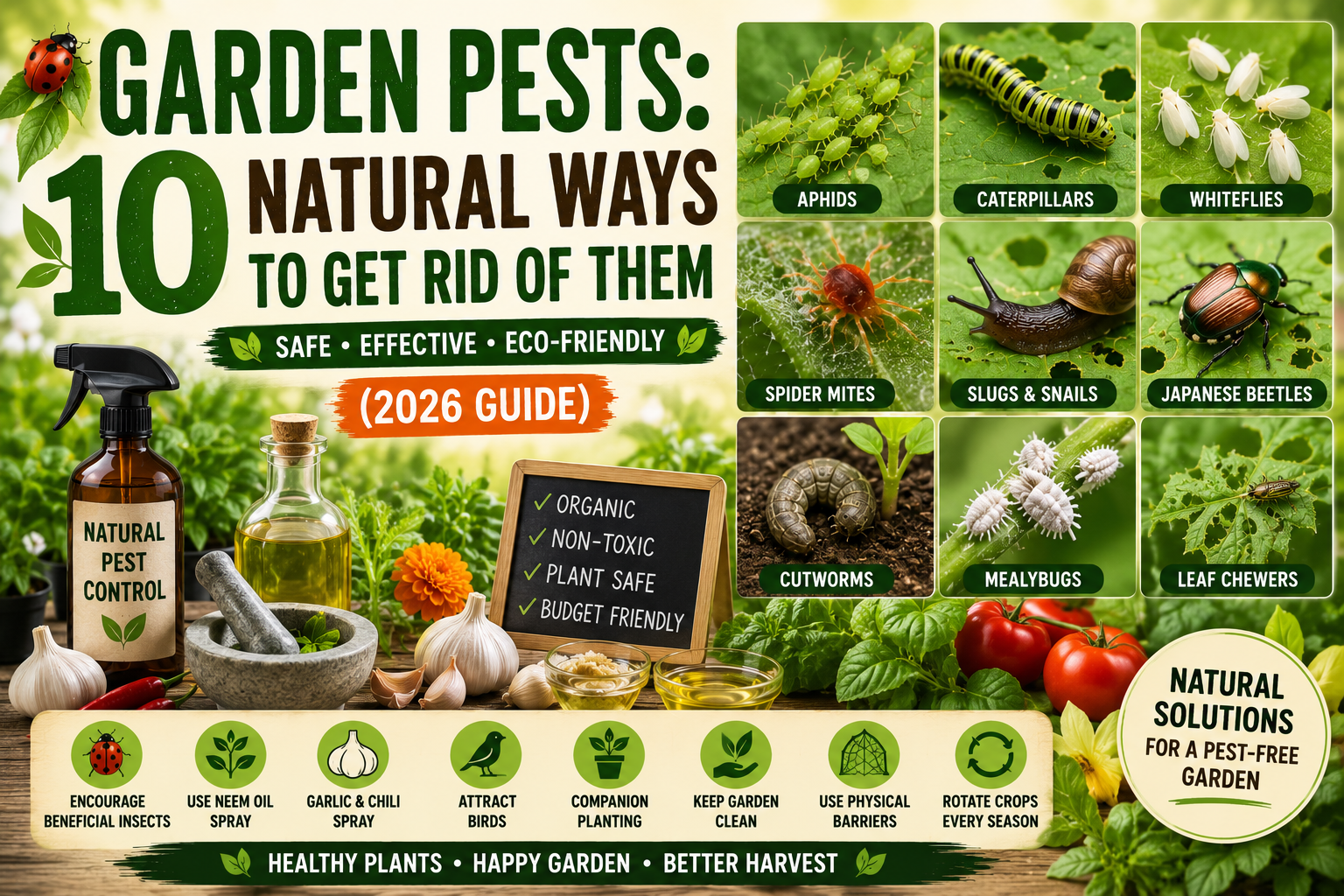
🐞 Garden Pests: 10 Natural Ways to Get Rid of Them
Garden Pests are one of the biggest challenges for home gardeners. From tiny aphids sucking sap from plants to hungry caterpillars chewing leaves, these unwanted visitors can quickly damage flowers, vegetables, herbs, and fruit plants. If left untreated, they may reduce plant growth, spread diseases, and lower your harvest. Fortunately, you don’t need harsh chemicals to protect your garden. Natural pest control methods are safer for your family, pets, beneficial insects, and the environment. Many simple solutions, such as attracting helpful insects, using homemade sprays, and practicing companion planting, can effectively keep pests under control while supporting a healthy garden ecosystem. Whether you’re a beginner or an experienced gardener, learning how to manage Garden Pests naturally can save money and improve the long-term health of your plants. In this guide, you’ll discover the most common garden pests, understand why they are a problem, and learn why natural pest control is a smarter and more sustainable choice than chemical pesticides. By following these practical tips, you can enjoy a thriving, productive garden throughout the growing season. Why Garden Pests Are a Problem Every healthy garden naturally attracts insects and other small creatures. While many of them are beneficial, some become Garden Pests that feed on leaves, stems, roots, flowers, and fruits. These pests can weaken plants and make them more vulnerable to diseases. Here are some of the main reasons why Garden Pests are harmful: Damage Plant Growth Many pests feed directly on plant tissues, reducing the plant’s ability to produce energy through photosynthesis. As a result, plants become weak, stunted, and less productive. Reduce Fruit and Vegetable Harvest Pests often attack edible crops before they are ready to harvest. Damaged fruits and vegetables may rot, become misshapen, or be unsafe to eat. Spread Plant Diseases Certain insects, including aphids and whiteflies, carry viruses and bacteria from one plant to another. Consequently, diseases can spread quickly throughout the garden. Destroy Flowers and Ornamentals Flowering plants are not immune to pest attacks. Caterpillars, beetles, and thrips can chew petals, buds, and leaves, reducing the beauty of your garden. Increase Gardening Costs Severe pest infestations may require replacing damaged plants, purchasing treatments, or spending extra time maintaining your garden. Preventing pest problems naturally is often more affordable in the long run. Signs Your Garden Has Pest Problems Watch for these common warning signs: Identifying these signs early allows you to control Garden Pests before they become a serious problem. Common Types of Garden Pests Knowing which pests are damaging your plants is the first step toward choosing the right natural solution. Below are some of the most common Garden Pests found in home gardens. Aphids These tiny insects gather on new shoots and the undersides of leaves, where they suck plant sap. Aphids multiply rapidly and leave behind a sticky substance called honeydew that can encourage mold growth. Caterpillars Caterpillars are the larvae of butterflies and moths. Although butterflies are beneficial pollinators, some caterpillars can quickly chew through leaves, flowers, and vegetables. Whiteflies Whiteflies are small, white insects that feed on plant sap. They weaken plants, cause leaves to turn yellow, and may spread plant diseases. Spider Mites Spider mites are tiny pests that are difficult to see with the naked eye. They create fine webs on leaves and cause yellow spots, eventually leading to leaf drop if left untreated. Slugs and Snails These pests are most active during cool, damp conditions. They leave irregular holes in leaves and often damage young seedlings overnight. Japanese Beetles Japanese beetles feed on leaves, flowers, and fruits. They typically leave behind skeletonized leaves, making plants look unhealthy. Cutworms Cutworms attack young seedlings by cutting stems near the soil surface. They are especially harmful to newly planted vegetables. Mealybugs Mealybugs appear as white, cotton-like clusters on stems and leaves. They feed on plant sap and weaken plant growth over time. H3: Quick Identification Tips Correct identification helps you apply the most effective natural pest control method. Why Choose Natural Pest Control Instead of Chemicals? Chemical pesticides may provide quick results, but they can also harm pollinators, beneficial insects, pets, wildlife, and even soil health. Natural methods offer a safer and more sustainable way to manage Garden Pests while maintaining a balanced garden ecosystem. Benefits of Natural Pest Control Protects Beneficial Insects Natural pest control helps preserve bees, butterflies, ladybugs, lacewings, and other insects that pollinate flowers and naturally reduce pest populations. Safer for Children and Pets Unlike many chemical pesticides, natural methods reduce the risk of harmful exposure, making your garden a safer place for the whole family. Supports Healthy Soil Healthy soil contains beneficial organisms that help plants absorb nutrients. Natural pest control protects these microorganisms and encourages long-term soil fertility. Prevents Chemical Residue Using natural treatments reduces the chance of chemical residues remaining on fruits, vegetables, and herbs, giving you cleaner produce to enjoy. Environmentally Friendly Natural solutions are generally biodegradable and have less impact on nearby water sources, wildlife, and the surrounding ecosystem. Cost-Effective Many natural remedies use inexpensive household ingredients or gardening practices, helping you manage Garden Pests without spending a lot of money. Comparison Table: Natural Pest Control vs. Chemical Pest Control Feature Natural Pest Control Chemical Pest Control Safety for Family High Moderate to Low Safe for Pets Usually Yes Often No Protects Pollinators Yes Often Harms Bees and Butterflies Environmental Impact Low Higher Cost Usually Affordable Can Be Expensive Soil Health Improves Soil Ecosystem May Harm Beneficial Organisms Residue on Produce Minimal Possible Chemical Residue Long-Term Sustainability Excellent Less Sustainable Best For Preventive and Long-Term Control Severe Infestations When Used Carefully Natural Ways to Get Rid of Garden Pests Keeping Garden Pests under control doesn’t have to involve harsh chemicals. In fact, many natural methods are highly effective, environmentally friendly, and safe for your family, pets, and beneficial insects. The key is to combine several techniques to create a healthy garden where pests are less likely to thrive. Below are ten proven natural methods to protect your plants and
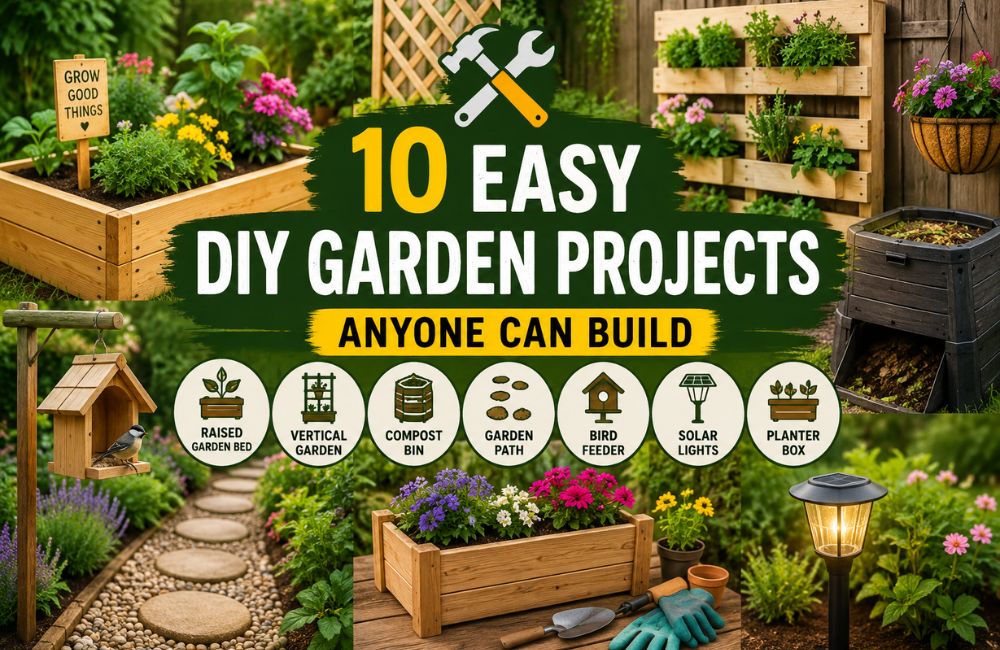
🛠️ 10 Easy DIY Garden Projects Anyone Can Build
Creating a beautiful garden doesn’t have to be expensive or require professional skills. With a few basic tools, affordable materials, and a little creativity, anyone can complete simple DIY Garden projects that improve the look and functionality of an outdoor space. Whether you have a small backyard, a spacious garden, or even a patio, do-it-yourself projects allow you to personalize your landscape while saving money. A DIY Garden project is a rewarding way to spend time outdoors, learn new skills, and add unique features to your yard. From building raised garden beds to making bird feeders and decorative pathways, these projects are suitable for beginners and experienced gardeners alike. Many can be completed over a weekend using easy-to-find materials from your local hardware or garden center. In this guide, you’ll discover ten easy DIY Garden projects that are budget-friendly, practical, and simple to build. Each project is designed to enhance your outdoor space, encourage healthy plant growth, and create a garden you’ll enjoy throughout the year. Why DIY Garden Projects Are Worth Trying A DIY Garden project offers more than just a beautiful outdoor space. It gives you the freedom to customize your garden while keeping costs under control. Instead of purchasing expensive ready-made garden features, you can build them yourself using affordable or recycled materials. Many DIY projects also allow you to reuse items you already have at home, making gardening more sustainable. Benefits of DIY Garden Projects Even simple improvements can transform an ordinary backyard into a welcoming place to relax and entertain family and friends. How to Plan Your DIY Garden Project Planning is one of the most important steps before starting any DIY Garden project. A clear plan helps you stay within your budget, avoid mistakes, and complete each project more efficiently. Start by identifying what your garden needs most. You may want additional planting space, better organization, more seating, or decorative features that add character to your yard. Simple Planning Tips It’s also a good idea to consider your local climate and choose materials that can withstand your area’s weather conditions. Comparison Table: DIY Garden Projects vs. Store-Bought Garden Features Feature DIY Garden Projects Store-Bought Garden Features Cost Lower Higher Customization Fully customizable Limited options Skill Level Beginner to intermediate No building required Installation Self-installed Ready to use or professional installation Creativity High Moderate Long-Term Value Excellent Good Best For Budget-conscious gardeners Those seeking convenience Tip: Combining DIY projects with a few ready-made accessories can help you create a unique garden while staying within your budget. Project #1 – Build a Raised Garden Bed A raised garden bed is one of the most practical and rewarding DIY Garden projects. It provides better soil control, improves drainage, and makes gardening more comfortable by reducing the need to bend down. You can build a simple raised bed using cedar boards, treated lumber, concrete blocks, or reclaimed wood. Choose a sunny location and fill the bed with quality garden soil and compost for the best results. Benefits of Raised Garden Beds Raised beds are perfect for beginners because they are easy to maintain and produce healthy plants with less effort. Project #2 – Create a Garden Path A garden path improves both the appearance and functionality of your outdoor space. It guides visitors through your garden while protecting plants from being stepped on. One of the easiest DIY Garden projects is creating a gravel or stepping-stone pathway. Popular materials include: Materials for a Garden Path To build a path, mark the route, remove grass, lay landscape fabric to reduce weeds, and add your chosen material. A well-designed pathway instantly gives your garden a more organized and professional appearance. Project #3 – Make a DIY Bird Feeder A homemade bird feeder is a fun and affordable project that brings colorful birds into your garden. Birds not only create a lively atmosphere but also help control insects and support a healthy garden ecosystem. You can make a bird feeder using simple materials such as: Easy Bird Feeder Ideas Hang the feeder in a quiet location away from predators and refill it regularly with fresh birdseed. Adding a bird feeder is an enjoyable DIY Garden project for families and children while encouraging local wildlife to visit your backyard. Project #4 – Build a Simple Trellis A trellis provides vertical support for climbing plants while adding height and visual interest to your garden. Building a wooden or metal trellis is an inexpensive weekend project that requires only basic tools. Plants that grow well on a trellis include: Best Plants for a Trellis A trellis helps improve air circulation around plants, makes harvesting easier, and maximizes growing space in smaller gardens. You can paint or stain your trellis to match your garden style, creating a decorative feature that combines beauty with functionality. Project #5 – Create a Vertical Garden A vertical garden is one of the most practical DIY Garden projects for homeowners with limited space. Instead of growing plants across the ground, a vertical garden allows you to grow upward using walls, fences, trellises, or wooden pallets. This project is perfect for herbs, flowers, leafy greens, and even strawberries. It also adds a beautiful green feature to patios, balconies, or backyard fences. Benefits of a Vertical Garden You can create a vertical garden using recycled pallets, hanging planters, fabric pocket organizers, or wall-mounted shelves. Be sure to choose a location that receives enough sunlight for the plants you want to grow. Project #6 – Build a Compost Bin A compost bin is an excellent DIY Garden project that turns kitchen scraps and yard waste into nutrient-rich compost. Instead of throwing away organic waste, composting creates a natural fertilizer that improves soil quality and supports healthier plants. Materials You Can Compost Avoid adding meat, dairy products, oily foods, or diseased plants, as these can attract pests or slow the composting process. A simple compost bin can be built from wooden pallets, wire mesh, or plastic storage containers with ventilation holes. Turn the
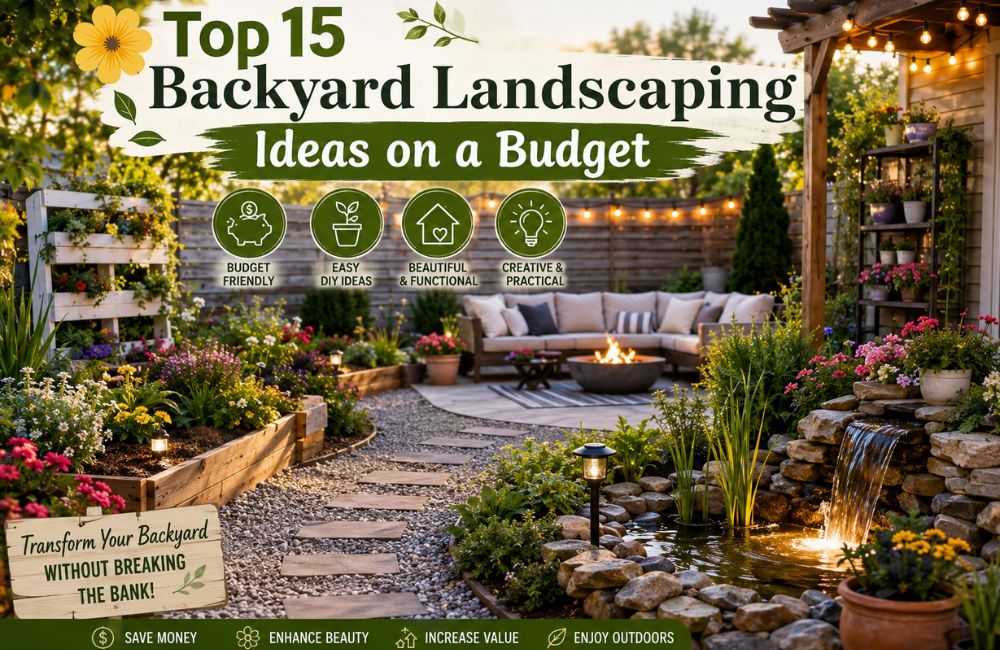
🌼Top 15 Backyard Landscaping Ideas on a Budget
Creating a beautiful outdoor space doesn’t have to cost a fortune. With smart planning and a little creativity, you can transform your yard into a relaxing and attractive retreat without spending thousands of dollars. Whether you have a small backyard or a large outdoor area, there are plenty of affordable ways to improve its appearance and functionality. Backyard landscaping is more than just planting flowers or mowing the lawn. It involves designing your outdoor space to make it more enjoyable, organized, and visually appealing. From adding colorful garden beds to creating simple walkways and cozy seating areas, budget-friendly landscaping projects can significantly increase your home’s curb appeal and outdoor living experience. The best part is that many landscaping ideas are perfect for DIY enthusiasts. By choosing low-maintenance plants, using recycled materials, and tackling simple projects yourself, you can save money while creating a backyard you’ll love for years to come. In this guide, you’ll discover 15 affordable backyard landscaping ideas that are easy to implement, beginner-friendly, and designed to help you make the most of your outdoor space. Why Backyard Landscaping Is Worth the Investment Many homeowners believe landscaping is expensive, but even small improvements can make a noticeable difference. Investing in backyard landscaping offers both practical and financial benefits. A well-designed backyard creates a comfortable place to relax, entertain guests, and spend quality time with family. It can also improve your home’s overall appearance and increase its market value if you decide to sell in the future. Some of the biggest benefits of backyard landscaping include: The best landscaping projects don’t have to be expensive. Small changes completed over time can completely transform your outdoor space while staying within your budget. Planning Your Backyard Landscaping on a Budget Before buying plants or materials, take some time to create a simple landscaping plan. Careful planning helps you avoid unnecessary expenses and ensures every dollar is spent wisely. Start by walking around your backyard and identifying areas that need improvement. Look for empty spaces, worn-out grass, poor drainage, or unused corners that could become attractive features. Budget-Friendly Planning Tips Creating a simple sketch of your backyard can also help you visualize where each landscaping feature will go before spending money. Comparison Table: DIY vs. Professional Landscaping Feature DIY Landscaping Professional Landscaping Cost Low High Labor Your own effort Professional crew Design Flexibility High Customized by designer Time Required More time Faster completion Skill Level Beginner to intermediate Expert Best For Budget-conscious homeowners Large or complex projects Long-Term Savings Excellent Moderate Tip: If you’re working with a limited budget, combine DIY projects with occasional professional help for tasks like tree removal or irrigation installation. Idea #1 – Create a Mulch Garden Bed One of the easiest and most affordable backyard landscaping projects is creating a mulch garden bed. Mulch instantly gives your garden a clean, finished appearance while helping plants thrive. Organic mulch also improves soil quality as it breaks down over time. Benefits of mulch include: Wood chips, bark mulch, pine needles, and shredded leaves are all inexpensive options. Choose a mulch color that complements your home’s exterior for an even more attractive landscape. Idea #2 – Build a Simple Gravel Path A gravel pathway is an inexpensive way to add charm and functionality to your backyard. Unlike concrete walkways, gravel paths are easy to install and require minimal tools. They also improve drainage and reduce muddy areas after rain. To create a gravel path: A winding gravel path can connect flower beds, patios, vegetable gardens, or seating areas while adding visual interest to your landscape. Idea #3 – Plant Low-Maintenance Perennials Perennials are one of the smartest investments for backyard landscaping because they return year after year with minimal care. Unlike annual flowers that need replacing each season, perennials continue growing and blooming, saving both time and money. Some excellent low-maintenance choices include: Popular Perennials Planting a variety of perennials provides colorful blooms throughout the growing season while attracting butterflies and bees to your backyard. Idea #4 – Add Raised Garden Beds Raised garden beds are both practical and decorative, making them a great addition to any budget-friendly backyard. You can build simple raised beds using: Raised beds offer several advantages: You can grow vegetables, herbs, flowers, or even small shrubs in raised beds, making them a versatile landscaping feature. Idea #5 – Use Decorative Rocks and Stones Decorative rocks provide texture, contrast, and long-lasting beauty without requiring much maintenance. Unlike mulch, rocks don’t decompose, making them an excellent long-term investment. Popular ways to use decorative stones include: Creative Rock Landscaping Ideas Mixing different sizes and colors of stones adds depth and visual appeal to your backyard. Natural river rocks, pea gravel, and crushed granite are affordable materials that blend well with almost any landscaping style. Idea #6 – Install Solar Garden Lights Adding solar garden lights is one of the easiest and most affordable backyard landscaping upgrades. These lights charge during the day using sunlight and automatically illuminate your yard at night, creating a warm and welcoming atmosphere without increasing your electricity bill. Solar lights come in many styles, including pathway lights, spotlights, lanterns, and decorative stake lights. They are simple to install because they don’t require wiring or professional help. Benefits of Solar Garden Lights Place solar lights along paths, around flower beds, or near patios to make your backyard look beautiful after sunset. Idea #7 – Create a Cozy Fire Pit Area A fire pit can turn your backyard into the perfect place for relaxing evenings with family and friends. Fortunately, you don’t need to spend a fortune to build one. You can create a simple DIY fire pit using concrete pavers, bricks, or natural stones. Surround it with gravel and add inexpensive outdoor chairs for a comfortable seating area. Budget-Friendly Fire Pit Tips A fire pit not only adds warmth but also becomes a beautiful focal point in your backyard landscaping design. Idea #8 – Build a DIY Wooden Bench Outdoor seating doesn’t have to
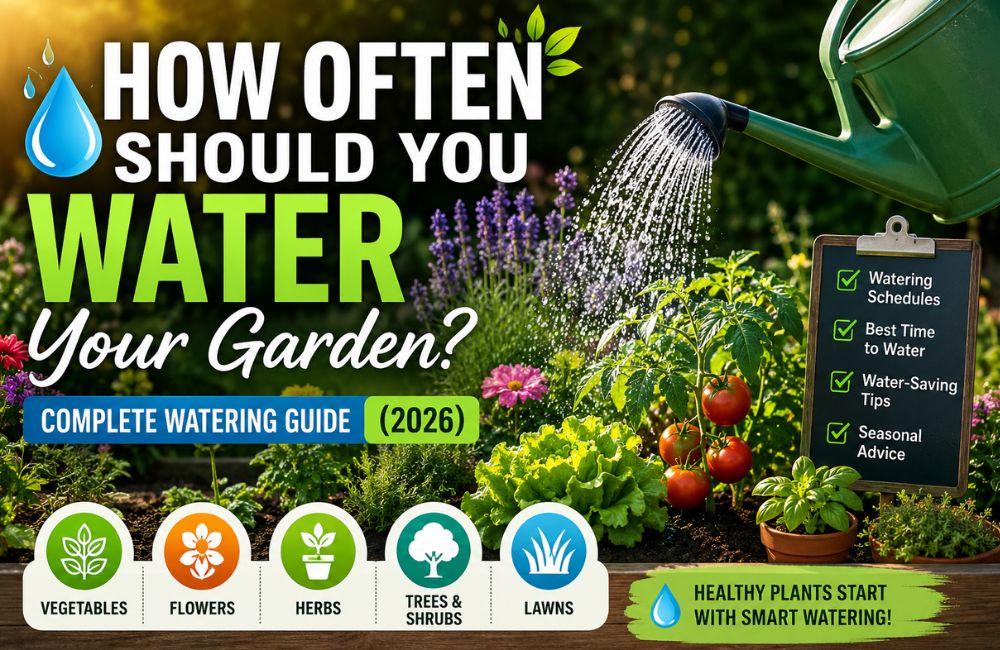
💧How Often Should You Water Your Garden? Guide
Knowing how often to Water Your Garden is one of the most important parts of successful gardening. Whether you’re growing vegetables, flowers, herbs, or shrubs, the right watering routine helps plants stay healthy, grow faster, and produce better blooms or harvests. However, watering too much or too little can lead to weak roots, yellow leaves, poor growth, and even plant death. Many beginner gardeners believe that watering every day is the best approach. In reality, plants need water based on several factors, including the weather, soil type, plant variety, and season. For example, a vegetable garden may require more frequent watering during hot summer days, while established trees often need much less water. Fortunately, learning when and how to Water Your Garden isn’t difficult. By understanding your plants’ needs and following a few simple watering practices, you can keep your garden thriving throughout the year. This guide explains everything you need to know, including why proper watering matters, the factors that affect watering frequency, common signs your garden needs water, and the differences between overwatering and underwatering. Why Proper Watering Matters Water is essential for every plant because it supports photosynthesis, nutrient absorption, and healthy root development. Without enough water, plants cannot grow properly. On the other hand, too much water can damage roots and encourage diseases. When you Water Your Garden correctly, your plants become stronger and more productive. As a result, you’ll enjoy healthier vegetables, brighter flowers, and greener foliage. Benefits of Proper Watering Healthy watering habits provide many advantages, including: Consistent watering is far better than watering too frequently or too little. Therefore, creating a regular watering schedule is one of the best ways to maintain a healthy garden. Factors That Affect How Often You Should Water Your Garden There isn’t a single watering schedule that works for every garden. Instead, several important factors determine how often you should Water Your Garden. Climate and Weather The weather has the biggest impact on watering needs. Consider These Conditions Always check the soil before watering rather than following a fixed schedule. Soil Type Different soils hold water differently. Sandy Soil Sandy soil drains quickly. As a result: Clay Soil Clay soil holds water much longer. Therefore: Loamy Soil Loamy soil offers the best balance. It: Plant Type Different plants have different watering needs. For example: Therefore, always consider the specific needs of each plant before watering. Plant Age Young plants require more frequent watering because their root systems are still developing. In contrast, mature plants have deeper roots that can reach moisture farther below the soil surface. Container vs. Garden Beds Container plants dry out much faster than plants growing in the ground. As a result, potted plants often need watering every day during summer, while garden beds may only need watering a few times each week. Mulch Mulch helps retain soil moisture. Common organic mulches include: Additionally, mulch reduces evaporation and helps regulate soil temperature. Signs Your Garden Needs Water Plants often show clear signs when they need water. Fortunately, learning to recognize these symptoms can prevent serious damage. Common Signs of Underwatering Watch for These Symptoms If you notice these signs, water your plants thoroughly rather than giving them a light sprinkle. How to Check Soil Moisture The easiest way to know when to Water Your Garden is by checking the soil. Simple Finger Test This simple method helps prevent both overwatering and underwatering. Comparison Table: Overwatering vs. Underwatering Understanding the difference between overwatering and underwatering helps you identify problems early and keep your plants healthy. Feature Overwatering Underwatering Soil Condition Wet and soggy Dry and dusty Leaf Appearance Yellow, soft, or falling Wilted, dry, or crispy Root Health Root rot may develop Roots become dry and weak Plant Growth Slow growth Stunted growth Flower Production Reduced blooms Flowers wilt or drop Pest Problems Fungus gnats and mold Spider mites may appear Solution Reduce watering and improve drainage Water deeply and consistently Overall, both overwatering and underwatering can harm your plants. Therefore, always check the soil before watering instead of relying on a fixed schedule. How Often to Water Different Types of Plants Not all plants have the same watering needs. Some thrive in consistently moist soil, while others prefer the soil to dry slightly between waterings. Understanding the requirements of different plant types helps you provide the right amount of water, reduce waste, and encourage healthier growth. Vegetables Vegetable plants generally need more water than ornamental plants because they grow quickly and produce edible crops. Most vegetables require 1 to 2 inches of water per week, including rainfall. Vegetables with shallow roots, such as lettuce, spinach, and radishes, need frequent watering because their roots dry out quickly. Deep-rooted vegetables like tomatoes, peppers, carrots, and squash benefit from deep watering two or three times each week rather than daily light watering. For the best results: Tip: Raised garden beds often dry out faster than in-ground gardens, so they may need more frequent watering during hot weather. Flowers Flowering plants vary in their watering needs depending on the species, but most garden flowers perform well with about 1 inch of water each week. Annual flowers such as petunias, marigolds, and impatiens usually require more frequent watering because they bloom continuously throughout the growing season. Perennials like lavender, coneflowers, and black-eyed Susans are generally more drought tolerant once established. To keep flowers healthy: Healthy watering practices encourage longer blooming periods and stronger root systems. Herbs Most culinary herbs prefer moderate watering rather than constantly wet soil. Popular herbs such as basil, parsley, cilantro, and mint enjoy consistently moist soil. Mediterranean herbs like rosemary, thyme, oregano, and sage prefer slightly drier conditions and can suffer if overwatered. For healthy herb gardens: Container-grown herbs usually need watering more often than herbs planted directly in the ground. Trees and Shrubs Trees and shrubs require less frequent watering than vegetables or flowers, but they benefit from deep soaking. Newly planted trees should be watered every 2–3 days during the first few weeks.
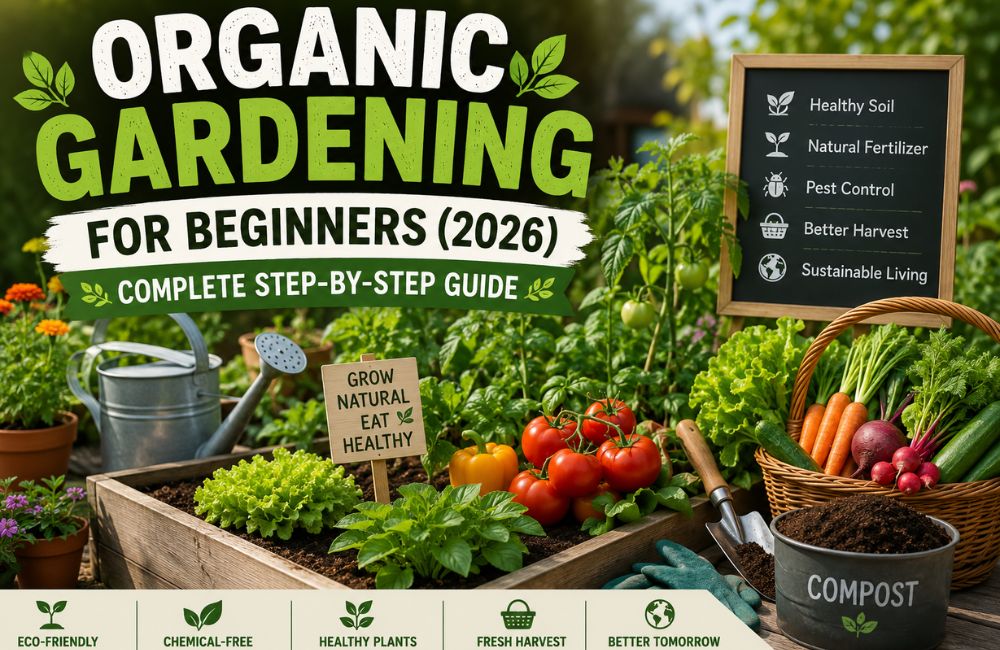
🌿 Organic Gardening for Beginners: Complete Guide
Organic Gardening is a natural and eco-friendly way to grow healthy vegetables, fruits, herbs, and flowers without using synthetic fertilizers, pesticides, or harmful chemicals. Instead, it focuses on improving soil health, encouraging beneficial insects, and using natural methods to help plants grow strong and productive. As a result, organic gardening is becoming increasingly popular among homeowners who want fresh, chemical-free produce while protecting the environment. Whether you have a spacious backyard, a small patio, or a few containers on your balcony, you can successfully start an organic garden with the right planning and care. Moreover, organic gardening is suitable for beginners because it encourages simple, sustainable practices that are easy to learn over time. In addition, it helps create a healthier outdoor space for people, pets, birds, and pollinators like bees and butterflies. This beginner-friendly guide explains everything you need to know about Organic Gardening, from understanding its basic principles to selecting the best location for your garden. By following these practical tips, you’ll be well on your way to growing healthy plants naturally while enjoying a greener and more rewarding gardening experience. What Is Organic Gardening? Organic Gardening is the practice of growing plants using natural methods instead of synthetic chemicals. Simply put, it focuses on working with nature rather than against it. Instead of relying on chemical fertilizers and pesticides, organic gardeners use compost, natural fertilizers, mulch, crop rotation, and beneficial insects to maintain healthy plants and fertile soil. The main goal of organic gardening is to build healthy soil because strong soil produces healthy plants. As a result, plants become more resistant to pests, diseases, and changing weather conditions. Furthermore, organic gardening supports biodiversity by encouraging earthworms, pollinators, and other helpful organisms that improve the overall health of your garden. Unlike conventional gardening, organic gardening emphasizes long-term sustainability. Therefore, it not only provides fresh and nutritious food but also helps protect water, wildlife, and the environment for future generations. Key Principles of Organic Gardening Successful organic gardening is based on a few simple principles: By following these principles, you can create a productive garden that thrives naturally year after year. Benefits of Organic Gardening There are many reasons why more gardeners are choosing organic methods. Not only does organic gardening produce healthier plants, but it also supports a cleaner and more sustainable environment. Health Benefits Organic gardening helps you grow fresh produce without synthetic chemicals. Benefits include: Environmental Benefits Organic gardening protects nature in several ways. Some important advantages include: Financial Benefits Growing your own organic food can also save money. For example: Personal Benefits Gardening is rewarding for both the body and mind. Some personal benefits include: Organic Gardening vs. Conventional Gardening Although both gardening methods aim to grow healthy plants, they differ significantly in how they care for the soil and control pests. Feature Organic Gardening Conventional Gardening Fertilizers Compost, manure, and natural fertilizers Synthetic chemical fertilizers Pest Control Natural predators, neem oil, and organic sprays Chemical pesticides Soil Health Builds soil naturally over time Focuses mainly on plant nutrition Environmental Impact Eco-friendly and sustainable Can contribute to pollution Pollinator Safety Safe for bees and butterflies May harm beneficial insects Cost Over Time Often lower due to homemade compost Can be higher because of chemical products Long-Term Sustainability Excellent Moderate Overall, organic gardening is the better choice for gardeners who want healthier food while protecting the environment. However, conventional gardening may provide faster short-term results, although it often relies on synthetic products. Choosing the Best Location for an Organic Garden Selecting the right location is one of the most important steps in Organic Gardening. Even the healthiest soil cannot produce strong plants if the growing conditions are poor. Therefore, take time to evaluate your available space before planting. Look for Plenty of Sunlight Most vegetables, herbs, and flowering plants require at least 6–8 hours of direct sunlight each day. Choose a location that receives consistent sunlight throughout the day. If your yard has both sunny and shaded areas, reserve the sunniest spot for vegetables like tomatoes, peppers, cucumbers, and beans. Ensure Good Drainage Healthy roots need both moisture and oxygen. Therefore, avoid areas where water collects after rain. Instead, choose slightly elevated ground or improve drainage by adding compost and organic matter to the soil. Choose Fertile Soil Good soil is the foundation of every successful organic garden. Look for soil that is: If your soil is poor, don’t worry. Fortunately, compost, aged manure, and other organic materials can significantly improve soil quality over time. Keep Water Nearby Watering is easier when your garden is close to a water source. For convenience, choose a location near an outdoor faucet or rainwater collection system. This saves time and makes regular watering much simpler, especially during hot weather. Protect Plants from Strong Winds Strong winds can damage young plants and dry out the soil quickly. If possible, plant your garden near a fence, hedge, or wall that provides natural wind protection while still allowing good air circulation. Consider Accessibility Your garden should be easy to reach throughout the year. Choose a location where you can: Finally, avoid planting too close to large trees because their roots compete with garden plants for water and nutrients. Preparing Healthy Organic Soil Healthy soil is the foundation of successful Organic Gardening. Without nutrient-rich soil, even the healthiest plants may struggle to grow. Fortunately, improving your soil naturally is simple and highly effective. Organic soil contains beneficial microorganisms, earthworms, and organic matter that work together to provide plants with essential nutrients. As a result, plants develop stronger roots, produce better harvests, and become more resistant to pests and diseases. How to Improve Organic Soil You don’t need expensive products to build healthy soil. Instead, focus on adding natural materials that improve soil structure and fertility. Best Ways to Improve Soil By improving your soil every growing season, you’ll create a healthy environment where plants can thrive naturally. Composting for Beginners Composting is one of the easiest and most valuable practices in