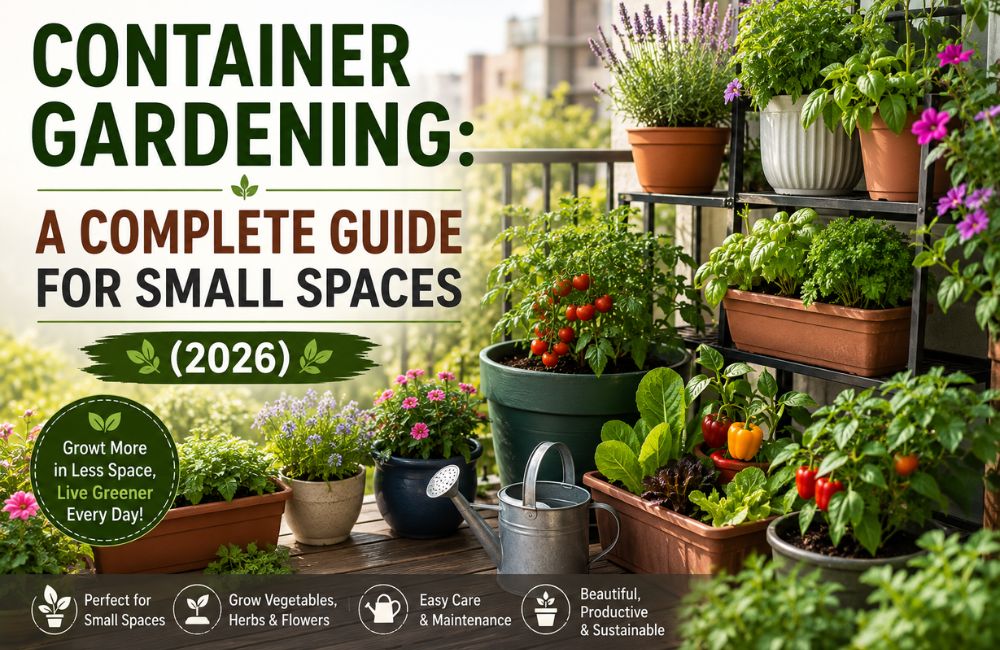
Container Gardening is one of the easiest and most rewarding ways to grow plants, even if you have limited outdoor space. Whether you live in an apartment with a balcony, a small house with a patio, or simply want to decorate your porch, container gardening allows you to enjoy fresh vegetables, colorful flowers, fragrant herbs, and even small fruit plants without needing a large backyard. One of the biggest advantages of container gardening is its flexibility. For example, you can move your plants to receive the right amount of sunlight, protect them from harsh weather, and create a beautiful garden almost anywhere. Additionally, it is an excellent choice for beginners because it requires less maintenance than traditional gardening while offering impressive results. With the right containers, quality potting soil, proper watering, and suitable plant selection, anyone can grow a thriving container garden. In fact, from tomatoes and peppers to roses and lavender, many plants perform exceptionally well in pots when given proper care. Finally, this complete guide covers everything you need to know about Container Gardening, including choosing the right containers, selecting plants, watering techniques, soil preparation, fertilizing, pest control, common mistakes, seasonal care, and expert tips to help your small-space garden flourish throughout the year. Why Choose Container Gardening? Container gardening has become increasingly popular because it allows people to grow plants regardless of space limitations. Whether you have a small balcony, a patio, or simply a sunny windowsill, this gardening method makes it easy to create a beautiful and productive green space. Moreover, it offers greater flexibility and control than many traditional gardens. Some of the biggest benefits include: Overall, whether your goal is growing fresh food or decorating your home, container gardening offers endless possibilities and can fit almost any lifestyle. Is Container Gardening Right for You? Overall, container gardening is suitable for almost everyone, especially if you: Container Gardening vs Traditional Gardening Feature Container Gardening Traditional Gardening Space Required Very little Large garden area Soil Control Excellent Limited Weed Problems Very Low High Water Requirement More Frequent Moderate Mobility Easy to move Fixed Cost Moderate Usually lower initially Pest Control Easier More difficult Best For Small spaces Large landscapes Choosing the Right Containers The container you choose directly affects plant health and growth. Common Container Materials Plastic Pots Pros Cons Clay (Terracotta) Pots Pros Cons Ceramic Pots These decorative containers are perfect for patios and balconies. Advantages include: However, they tend to be heavier and more expensive than other container options. Fabric Grow Bags Grow bags have become increasingly popular for vegetable gardening. Benefits include: Wooden Planters Wood creates a natural look and is ideal for flowers and vegetables. For the best results, choose rot-resistant wood such as cedar for longer life. Choosing the Right Size Container In fact, container size matters more than many beginners realize. Plant Type Recommended Pot Size Herbs 6–8 inches Lettuce 8–10 inches Peppers 12 inches Tomatoes 16–20 inches Cucumbers 18 inches Roses 18–24 inches Lemon Trees 20–24 inches Larger containers retain moisture better and allow stronger root development. Best Soil for Container Gardening Never use regular garden soil in containers. Garden soil becomes compacted, drains poorly, and may contain pests or diseases. Instead, use a high-quality potting mix. A good potting mix usually contains: This combination improves drainage, moisture retention, and root growth. Choosing the Best Plants for Container Gardening In fact, almost any plant can grow in containers if the pot is large enough. Vegetables Herbs Flowers Fruits How to Plant a Container Garden Follow these simple steps. Step 1: Choose the Right Pot Ensure drainage holes are present. Step 2: Fill with Potting Mix Leave about one inch of space at the top. Step 3: Plant Carefully Place the plant at the same depth as it was in its nursery container. Step 4: Water Thoroughly After planting, water until it drains from the bottom. Step 5: Place in Proper Sunlight Most vegetables require 6–8 hours of sunlight daily. Watering Container Plants Watering is one of the most important aspects of Container Gardening. Because containers dry out much faster than traditional garden beds, they require more frequent monitoring and consistent watering. Signs Plants Need Water Watering Tips Fertilizing Container Plants Plants in containers use nutrients quickly. Regular feeding keeps plants healthy. Best Fertilizer Options During the growing season, feed flowering and vegetable plants every 2–4 weeks. Sunlight Requirements Different plants require different light conditions. Light Level Hours of Sun Suitable Plants Full Sun 6–8+ hours Tomatoes, peppers, lavender Partial Sun 4–6 hours Lettuce, spinach, parsley Shade 2–4 hours Ferns, hostas, begonias Observe your growing space before selecting plants. Drainage Is Essential Poor drainage causes root rot. Always ensure containers have: Avoid leaving pots standing in water for long periods. Supporting Tall Plants Some plants need additional support. Examples include: Use: Supporting plants prevents stem damage and improves air circulation. Common Container Gardening Problems Yellow Leaves Possible causes: Wilting Plants Usually caused by: Slow Growth May result from: Root Rot Often caused by excessive watering and poor drainage. Common Pests Container gardens can still attract pests. Common ones include: Natural control methods include: Seasonal Care for Container Gardens Spring Summer Fall Winter Common Container Gardening Mistakes Avoid these beginner mistakes: Learning from these mistakes will improve your gardening success. Expert Tips for Successful Container Gardening Follow These Simple Practices Small improvements in daily care can make a significant difference in plant health and productivity. Conclusion Container Gardening proves that you don’t need a large backyard to enjoy a beautiful and productive garden. With the right containers, quality soil, suitable plants, and consistent care, even the smallest balcony or patio can become a vibrant green space filled with flowers, herbs, vegetables, or fruits. The key to success lies in selecting the appropriate containers, providing adequate sunlight, watering consistently, and feeding plants regularly. As you gain experience, you can experiment with different plant combinations and seasonal displays to keep your garden attractive all year. Ultimately, whether you’re a beginner starting your
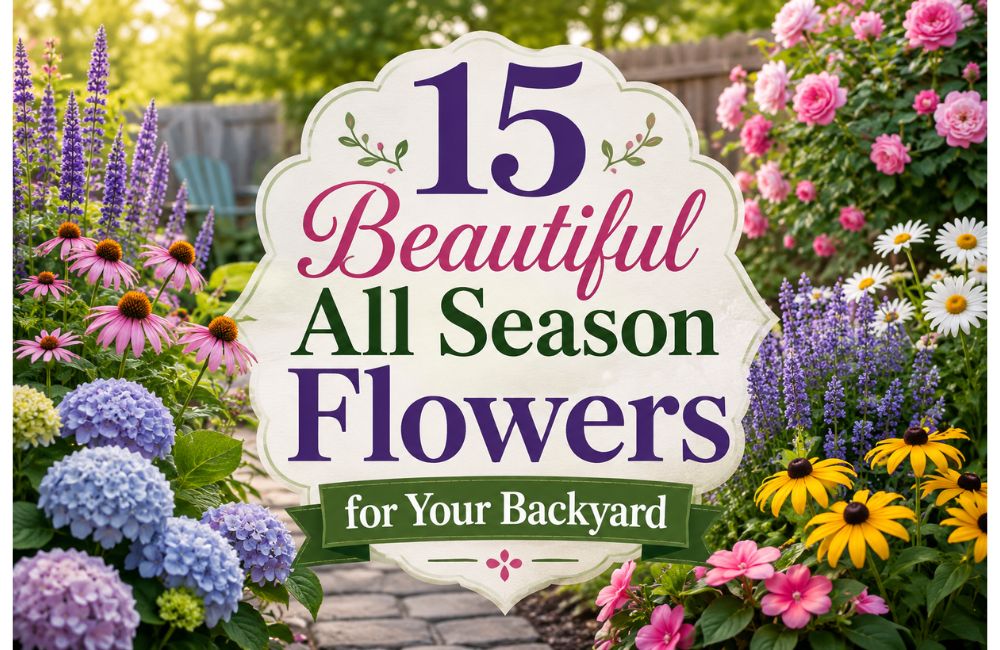
15 Beautiful All Season Flowers for Your Backyard
Keeping your garden colorful throughout the growing season is easier than you might think. By choosing the right all season flowers, you can enjoy vibrant blooms from spring until the first frost without constantly replacing plants. Whether you have a spacious backyard, a small patio, or a few containers on your balcony, long-blooming flowers can transform your outdoor space into a lively and welcoming retreat. Many all season flowers are also beginner-friendly, making them an excellent choice for anyone starting their gardening journey. Besides adding beauty, these flowers attract helpful pollinators like bees, butterflies, and hummingbirds, which support a healthier garden ecosystem. With proper sunlight, regular watering, and occasional feeding, these plants will continue producing colorful blossoms for months. In this guide, you’ll discover 15 beautiful all season flowers that provide long-lasting color, along with practical growing tips and maintenance advice. Whether you prefer annuals for nonstop blooms or dependable perennials that return year after year, you’ll find the perfect flowers to create a stunning garden that stays bright all season long. Why Choose All Season Flowers? Choosing all season flowers is one of the easiest ways to create a beautiful garden that remains attractive for months. Unlike short-lived blooms, these flowers continue producing fresh blossoms throughout the growing season, reducing the need for constant replanting. They are perfect for flower beds, borders, containers, hanging baskets, and even small urban gardens. Many varieties are also low-maintenance, making them suitable for both beginners and experienced gardeners. Benefits of Growing All Season Flowers Planting all season flowers means you spend less time replacing faded plants and more time enjoying a colorful, thriving garden. How to Choose the Right Flower for Your Garden Selecting the best all season flowers starts with understanding your garden’s growing conditions. Every flower has different sunlight, soil, and watering requirements. Choosing plants that match your environment will help them bloom longer and stay healthier. Consider Sunlight Most all season flowers perform best with six to eight hours of direct sunlight each day. However, some varieties grow well in partial shade, making them ideal for patios, porches, or shaded flower beds. Check Soil Quality Healthy, well-drained soil is essential for long-lasting blooms. Before planting, mix compost or organic matter into the soil to improve drainage and provide important nutrients. Consider Maintenance If you prefer a low-maintenance garden, select flowers that naturally bloom for long periods and require minimal care. Regular watering, occasional fertilizing, and removing faded blooms are usually enough to keep them flowering. Match Flowers to Your Garden Style Choose flowers that complement your landscape and available space. Popular Garden Styles When you choose the right all season flowers, your garden will remain colorful and healthy with less effort. Flower #1 – Petunias Petunias are among the most popular all season flowers because they bloom continuously from late spring until frost. Their trumpet-shaped flowers come in a wide range of colors, including pink, purple, white, red, blue, and yellow. These versatile flowers thrive in hanging baskets, containers, window boxes, and garden beds, making them an excellent choice for nearly every landscape. Why Grow Petunias? Growing Tips Petunias are one of the easiest all season flowers for gardeners who want reliable color with minimal maintenance. Flower #2 – Marigolds Marigolds are cheerful all season flowers that brighten gardens with rich shades of yellow, orange, and gold. They bloom from early summer until the first frost and are widely appreciated for their ability to help repel certain garden pests. Because they grow quickly and tolerate heat well, marigolds are ideal for flower beds and vegetable gardens. Benefits of Marigolds Growing Tips Marigolds provide months of colorful blooms while helping create a healthier garden environment. Flower #3 – Zinnias Zinnias are fast-growing all season flowers known for their bright colors and impressive bloom production. Available in nearly every color except blue, they make excellent additions to flower beds, borders, and cutting gardens. Their flowers attract butterflies, creating a lively and colorful outdoor space. Why Plant Zinnias? Growing Tips Zinnias are dependable all season flowers that reward gardeners with nonstop color throughout the growing season. Flower #4 – Geraniums Geraniums are classic all season flowers prized for their colorful blooms and attractive foliage. They thrive in containers, flower beds, borders, and window boxes, producing flowers continuously from late spring through autumn. Their long blooming period and simple care requirements make them a favorite among home gardeners. Why Choose Geraniums? Growing Tips Geraniums are dependable all season flowers that add beauty and elegance to almost any garden design. Comparison Table Flower Blooming Season Sunlight Water Needs Best Growing Location Difficulty Petunias Spring to Frost Full Sun Moderate Hanging baskets, containers Easy Marigolds Summer to Frost Full Sun Low to Moderate Flower beds, vegetable gardens Very Easy Zinnias Summer to Frost Full Sun Moderate Borders, cutting gardens Easy Geraniums Late Spring to Fall Full Sun to Partial Sun Moderate Containers, patios, borders Easy Flower #5 – Coneflowers Coneflowers are hardy all season flowers that add long-lasting color and attract beneficial pollinators to your garden. Their large, daisy-like blooms appear in shades of purple, pink, white, orange, and yellow. These beautiful flowers bloom from early summer until fall and are highly resistant to heat and drought. Coneflowers are excellent for flower beds, borders, and cottage gardens. Once established, they require very little maintenance, making them a favorite among beginner gardeners. Why Choose Coneflowers? Growing Tips Coneflowers are dependable all season flowers that provide months of vibrant color with minimal care. Flower #6 – Lavender Lavender is one of the most popular all season flowers because of its beautiful purple blooms and calming fragrance. Besides enhancing your garden, lavender attracts pollinators while helping repel certain unwanted insects. Its elegant appearance makes it perfect for borders, pathways, herb gardens, and decorative landscapes. Benefits of Lavender Growing Tips Lavender combines beauty, fragrance, and easy maintenance, making it one of the best all season flowers for any backyard. Flower #7 – Begonias Begonias are attractive all season flowers
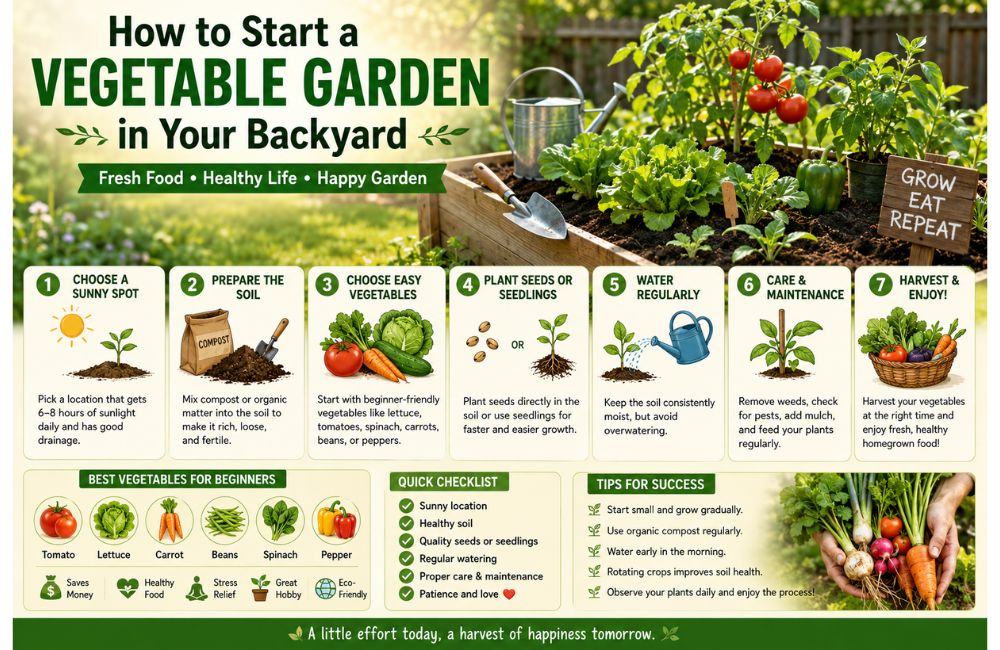
How to Start a Vegetable Garden in Your Backyard
Growing your own vegetables is one of the most rewarding ways to enjoy fresh, healthy food while making the most of your outdoor space. Whether you have a large backyard or a small corner available, starting a vegetable garden is easier than many people think. With a little planning and regular care, you can harvest delicious vegetables right from your home. If you’re new to gardening, this guide is designed specifically for home gardening for beginners. You’ll learn how to choose the best location, plan an efficient garden layout, and gather the essential tools needed for success. Starting with simple steps and beginner-friendly techniques will help you avoid common mistakes and build confidence as your garden grows. Besides providing fresh produce, a backyard vegetable garden saves money, encourages outdoor activity, and creates a relaxing environment for the whole family. By following the tips in this guide, you’ll be well on your way to growing healthy vegetables and enjoying the satisfaction of harvesting your own food. Why Start a Backyard Vegetable Garden? A backyard vegetable garden offers much more than fresh produce. It provides an opportunity to spend time outdoors, learn new skills, and enjoy healthier meals made with homegrown ingredients. For those interested in home gardening for beginners, vegetable gardening is an excellent starting point because many vegetables are easy to grow and require only basic care. Benefits of Growing Your Own Vegetables Starting small allows you to gain experience while enjoying the satisfaction of watching your plants grow from seeds into productive vegetables. Choosing the Best Location Selecting the right location is one of the most important decisions when starting a vegetable garden. Most vegetables need plenty of sunlight, good drainage, and easy access to water. 🌞 Look for Plenty of Sunlight Most vegetables require 6–8 hours of direct sunlight every day. Observe your backyard throughout the day and choose a spot that receives consistent sunlight. Vegetables such as tomatoes, peppers, cucumbers, and beans grow best in full sun. 💧 Ensure Good Drainage Avoid areas where water collects after rain. Wet soil can damage plant roots and increase the risk of disease. If your backyard has poor drainage, consider using raised garden beds or large containers. 🚰 Keep Water Nearby Choose a location close to a garden hose or water source. This makes watering easier, especially during hot summer months. 🌬️ Protect Plants from Strong Winds Strong winds can damage young plants and dry out the soil quickly. Plant near a fence, hedge, or other natural windbreak if possible. Planning Your Vegetable Garden Layout A well-planned garden is easier to maintain and produces healthier plants. Before planting, decide how much space each vegetable will need and organize your garden for easy access. Choose the Right Garden Style There are several ways to grow vegetables successfully. Raised Beds Raised beds improve drainage, warm up quickly in spring, and make gardening easier by reducing weeds and improving soil quality. In-Ground Gardens Planting directly in the ground is affordable and works well if your soil is already fertile and drains properly. Container Gardens Containers are perfect for beginners with limited space. Many vegetables, herbs, and even tomatoes grow successfully in pots. Leave Room to Walk Avoid planting vegetables too close together. Leave pathways between rows so you can: Grow Compatible Vegetables Together Grouping vegetables with similar sunlight and watering needs makes garden care much easier. For example: Planning your layout before planting saves time and helps your vegetables grow more successfully. Essential Gardening Tools Having a few basic gardening tools makes planting and maintenance much easier. Fortunately, beginners don’t need expensive equipment to start a productive vegetable garden. Must-Have Gardening Tools 🌱 Hand Trowel Perfect for digging small holes, transplanting seedlings, and planting flowers or vegetables. ✂️ Pruning Shears Useful for trimming plants, removing dead leaves, and harvesting vegetables. 💦 Watering Can or Garden Hose Regular watering keeps vegetables healthy, especially during warm weather. 🧤 Gardening Gloves Protect your hands from dirt, thorns, and rough surfaces while working in the garden. 🌾 Garden Fork Helps loosen compacted soil, mix compost, and improve drainage before planting. 🪣 Garden Rake Ideal for leveling soil, removing debris, and preparing planting beds. 📏 Measuring Tape Helpful when spacing plants correctly according to their growing requirements. Beginner Gardening Checklist Before planting your first vegetables, make sure you have: Following this checklist will make your gardening experience smoother and more enjoyable. Comparison Table Feature Raised Beds In-Ground Garden Container Gardening Best For Beginners Large backyards Small spaces & balconies Cost Medium Low Low to Medium Soil Control Excellent Depends on existing soil Excellent Drainage Excellent Varies Very Good Weed Control Easy Moderate Easy Maintenance Easy Moderate Easy Mobility No No Yes Suitable Vegetables Almost all vegetables Large crops & root vegetables Herbs, lettuce, tomatoes, peppers What’s Coming in Part 2 In the next part, you’ll learn how to: These practical tips will help you build a thriving backyard vegetable garden and continue your journey in home gardening for beginners with confidence. Preparing the Soil Healthy soil is the foundation of a productive vegetable garden. No matter how good your seeds or seedlings are, they won’t thrive in poor soil. Preparing your garden properly before planting gives vegetables the nutrients and growing conditions they need. For anyone learning home gardening for beginners, taking time to improve the soil is one of the best investments you can make. Test Your Soil Before planting, check your soil to understand its condition. Look for: If your soil is heavy clay or very sandy, improve it by adding compost or well-rotted manure. Improve Soil Naturally Organic matter helps the soil hold moisture while providing essential nutrients. You can add: Mix these materials into the top 6–8 inches of soil before planting. Choosing the Best Vegetables for Beginners Starting with easy-to-grow vegetables increases your chances of success. These vegetables grow quickly, require minimal care, and produce rewarding harvests. Best Vegetables Garden for Beginner 🍅 Tomatoes Tomatoes are one of the most popular backyard
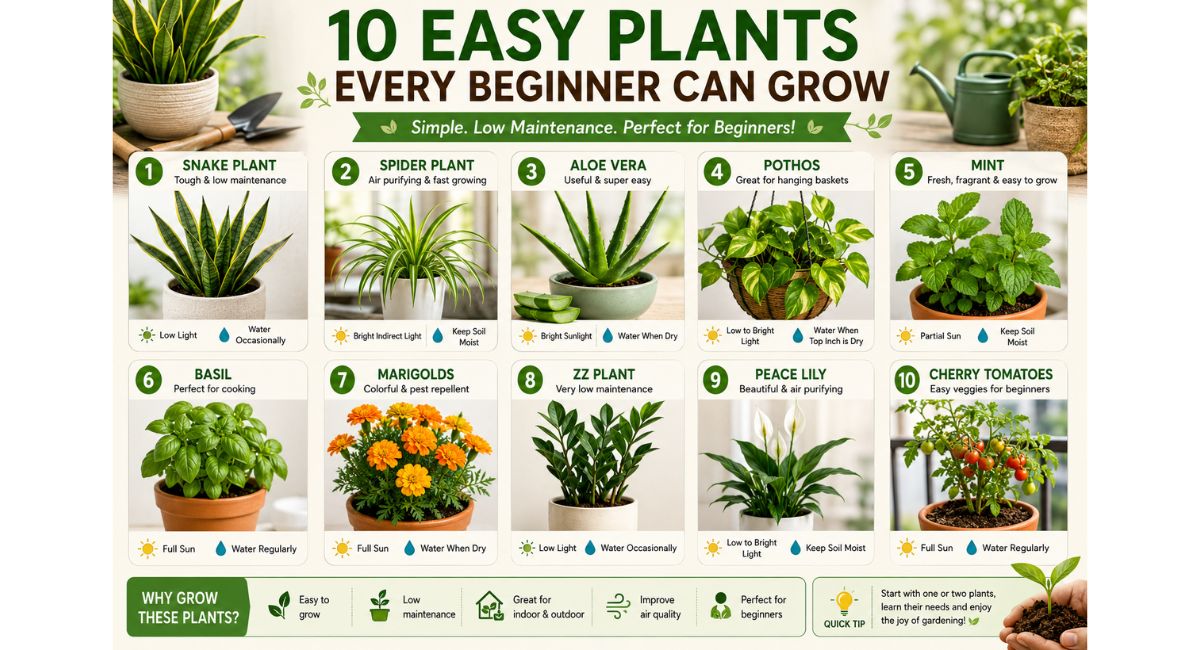
10 Easy Plants Every Beginner Can Grow
Starting your gardening journey doesn’t have to be difficult. With the right plants, anyone can create a beautiful and healthy garden, even without previous experience. If you’re interested in home gardening for beginners, choosing easy-to-grow plants is the best way to build confidence while learning the basics of plant care. Beginner-friendly plants require less maintenance, adapt well to different environments, and can tolerate occasional mistakes like missed watering or changing weather conditions. Whether you have a spacious backyard, a small balcony, or a few containers on your patio, there are plenty of plants that will thrive with minimal effort. In this guide, you’ll discover ten of the easiest plants every beginner can grow. You’ll also learn how to choose the right plants for your space, understand their basic care requirements, and avoid common mistakes. By starting with these resilient plants, you’ll enjoy a greener home, cleaner air, and the satisfaction of watching your garden flourish. Why Choosing Easy Plants Matters Starting with beginner-friendly plants makes gardening enjoyable instead of overwhelming. Many new gardeners become discouraged after choosing plants that require constant care or specific growing conditions. Easy-care plants are more forgiving and allow you to learn essential gardening skills at your own pace. Benefits of Growing Easy Plants Choosing the right plants from the beginning increases your chances of success and makes home gardening for beginners a rewarding experience. How to Choose the Right Plant Before purchasing your first plant, consider where it will grow and how much care you can provide. Consider These Factors 🌞 Sunlight Observe how much sunlight your space receives each day. 💧 Water Requirements Some plants enjoy consistently moist soil, while others prefer the soil to dry between waterings. Choose plants that match your schedule and lifestyle. 🌡️ Climate Select plants suitable for your local weather conditions. If temperatures vary throughout the year, consider growing plants in containers so they can be moved when necessary. 📏 Available Space Think about where your plants will grow. Choosing plants that suit your available space helps them grow healthier and reduces maintenance. 1. Snake Plant (Sansevieria) The Snake Plant is often considered the perfect beginner plant because it is extremely resilient and can survive with very little care. Its upright green leaves add a modern touch to any room while helping improve indoor air quality. This plant grows well indoors and tolerates low light, making it an excellent choice for homes and offices. Why Beginners Love Snake Plants Care Tips 2. Spider Plant Spider Plants are one of the easiest houseplants to grow. Their long green leaves and baby plantlets create a beautiful cascading appearance that looks great in hanging baskets or decorative pots. They grow quickly and are forgiving if you occasionally forget to water them. Why Spider Plants Are Great for Beginners Care Tips 3. Aloe Vera Aloe Vera is both decorative and useful. Besides being attractive, its gel has long been used in many households for soothing minor skin irritation and burns. This succulent requires very little attention and is ideal for beginners. It grows best in sunny locations and doesn’t require frequent watering. Why Aloe Vera Is Perfect for Beginners Care Tips Comparison Table Plant Light Requirement Water Needs Difficulty Best For Snake Plant Low to Bright Indirect Light Low ⭐ Very Easy Indoor beginners Spider Plant Bright Indirect Light Moderate ⭐ Very Easy Hanging baskets & containers Aloe Vera Full Sun to Bright Light Low ⭐ Very Easy Sunny windows, patios & balconies What’s Coming in Part 2 In the next part of this guide, you’ll discover: Plant #4 – Pothos Pothos is one of the easiest houseplants to grow, making it an excellent choice for anyone starting home gardening for beginners. Known for its heart-shaped green leaves and trailing vines, this plant grows well in hanging baskets, shelves, or decorative pots. It adapts to a variety of indoor conditions and continues to thrive even with minimal care. Pothos is also valued for its ability to improve indoor air quality, making it both attractive and practical. Why Beginners Love Pothos Care Tips Plant #5 – Mint Mint is one of the easiest herbs to grow and a fantastic addition to any beginner’s garden. It grows rapidly in containers or garden beds and can be harvested regularly for cooking, teas, and refreshing drinks. Because mint spreads quickly, many gardeners prefer growing it in pots to keep it under control. Why Mint Is Great for Beginners Care Tips Plant #6 – Basil Basil is one of the most rewarding herbs for beginner gardeners. Its fragrant leaves are commonly used in salads, pasta dishes, soups, and homemade pesto. With plenty of sunlight and regular watering, basil grows quickly and provides a continuous harvest. Growing basil is an enjoyable way to practice basic gardening skills while adding fresh flavor to your meals. Why Beginners Love Basil Care Tips Plant #7 – Marigolds Marigolds are colorful flowering plants that brighten gardens while naturally attracting beneficial pollinators such as bees and butterflies. They are also known for helping discourage certain garden pests, making them a popular companion plant in vegetable gardens. These cheerful flowers bloom throughout the growing season and require very little maintenance. Why Marigolds Are Perfect for Beginners Care Tips Plant #8 – ZZ Plant The ZZ Plant is another excellent option for anyone learning home gardening for beginners. It has glossy green leaves and is famous for surviving in conditions where many other houseplants struggle. This low-maintenance plant tolerates low light and requires very little water, making it ideal for busy households. Its elegant appearance also makes it a favorite for modern home décor. Why Beginners Love ZZ Plants Care Tips Beginner Care Tips Successful gardening doesn’t require expensive equipment or years of experience. A few simple habits can help your plants stay healthy and continue growing throughout the year. 🌱 Water Wisely Overwatering is one of the most common beginner mistakes. Before watering, check whether the top layer of soil feels dry. ☀️ Give
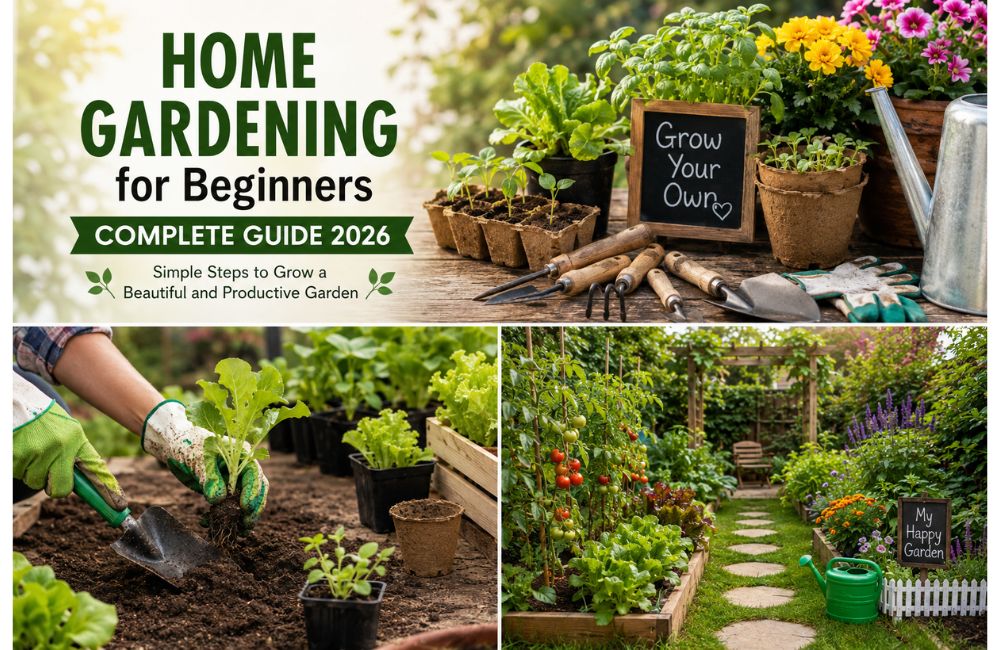
Home Gardening for Beginners Complete Guide 2026
Home gardening is one of the most rewarding hobbies you can start. Whether you have a spacious backyard, a small balcony, or just a few pots on your windowsill, growing your own plants brings beauty, fresh produce, and a sense of accomplishment. This home gardening for beginners guide is designed to help you understand the basics and build a healthy, thriving garden from the ground up. However, many beginners believe gardening is difficult or requires years of experience. In fact, anyone can become a successful gardener with the right knowledge and a little patience. By choosing suitable plants, preparing healthy soil, and following simple care routines, you can enjoy vibrant flowers, fresh herbs, and delicious vegetables throughout the year. Moreover, gardening offers many personal benefits. It helps reduce stress, encourages outdoor activity, improves your home’s appearance, and even supports local wildlife such as bees and butterflies. Most importantly, it allows you to grow fresh, chemical-free produce for your family. In this complete guide, you’ll learn everything you need to know to start your gardening journey with confidence, from choosing the perfect location to selecting essential tools and creating the ideal environment for healthy plant growth. What Is Home Gardening? Home gardening is the practice of growing plants, vegetables, fruits, herbs, and flowers in or around your home. Depending on your available space, a home garden can be as simple as a few containers on a balcony or as large as a fully landscaped backyard. The main purpose of home gardening is to create a healthy, attractive, and productive outdoor or indoor space while enjoying the many physical and mental benefits it provides. Types of Home Gardens Benefits of Home Gardening Starting a garden offers far more than beautiful plants. It can improve your lifestyle, save money, and provide a relaxing escape from everyday stress. Why You Should Start Gardening Gardening is suitable for people of all ages and experience levels, making it one of the most rewarding hobbies you can enjoy year-round. Choosing the Best Location Selecting the right location is one of the most important steps in home gardening for beginners. Even healthy plants struggle to grow if they don’t receive enough sunlight or proper drainage. Look for These Conditions ☀️ Plenty of Sunlight Most vegetables and flowering plants need 6–8 hours of direct sunlight every day. 💧 Good Drainage Avoid areas where water collects after rainfall. Well-drained soil prevents root rot and promotes healthy growth. 🚰 Easy Access to Water Choose a location close to a water source so watering your plants is convenient. 🌬️ Protection from Strong Winds A sheltered location helps protect delicate plants from damage and excessive moisture loss. Essential Gardening Tools You don’t need expensive equipment to start gardening. A few basic tools are enough for most beginners. Must-Have Gardening Tools Investing in quality tools will save time and make gardening more enjoyable. Comparison Table: Popular Home Gardening Methods Gardening Method Best For Space Needed Maintenance Ideal for Beginners Container Gardening Balconies and patios Small Easy ✅ Yes Raised Bed Gardening Vegetables and herbs Medium Moderate ✅ Yes In-Ground Gardening Large backyards Large Moderate ✅ Yes Vertical Gardening Small outdoor spaces Very Small Easy ✅ Yes Indoor Gardening Herbs and houseplants Small Easy ✅ Yes Key Takeaway The best gardening method depends on your available space, budget, and the types of plants you want to grow. If you’re just starting, container gardening or raised beds are excellent options because they’re simple to manage and require less maintenance than traditional in-ground gardens. Soil Preparation Healthy plants begin with healthy soil. One of the biggest mistakes in home gardening for beginners is planting without preparing the soil first. Good soil provides plants with nutrients, water, and oxygen, helping them develop strong roots and produce healthy growth. Before planting, remove weeds, rocks, and debris from the area. Loosen compacted soil using a garden fork or shovel so roots can spread easily. How to Improve Your Garden Soil Most vegetables and flowers grow best in slightly acidic to neutral soil with a pH between 6.0 and 7.0. Healthy soil is the foundation of a productive garden, so spending time preparing it will reward you throughout the growing season. Choosing the Right Plants Selecting plants that match your local climate and gardening experience makes success much easier. As a beginner, avoid starting with plants that require constant attention. Instead, choose varieties that are known for being hardy and easy to grow. Best Plants for Beginners Vegetables Herbs Flowers Native plants are another excellent choice because they naturally adapt to your local weather and often require less maintenance. Start with a small number of plants instead of filling your entire garden. As your confidence grows, you can gradually expand your garden each season. Watering Your Garden Properly Watering is one of the most important parts of gardening. Too little water can weaken plants, while too much water may lead to root rot and disease. Rather than watering every day, focus on watering deeply so moisture reaches the roots. Best Watering Tips A simple way to test your soil is by inserting your finger about an inch into the soil. If it feels dry, it’s time to water. Mulching around plants also helps reduce water evaporation and keeps the soil cool during warm weather. Fertilizing Your Plants Plants need nutrients to grow strong stems, healthy leaves, colorful flowers, and productive fruits. Even rich soil gradually loses nutrients as plants grow, making regular fertilizing important. Essential Plant Nutrients Fertilizing Tips for Beginners Organic fertilizers release nutrients more slowly than synthetic products, making them a safe option for beginner gardeners. Organic Gardening It focuses on growing plants naturally without relying on synthetic chemicals or pesticides. This method promotes healthier soil, protects beneficial insects, and creates a safer environment for people, pets, and wildlife. Easy Organic Gardening Practices Organic gardening may take a little more patience, but it helps build a healthier and more sustainable garden over time. Common Beginner Mistakes to Avoid