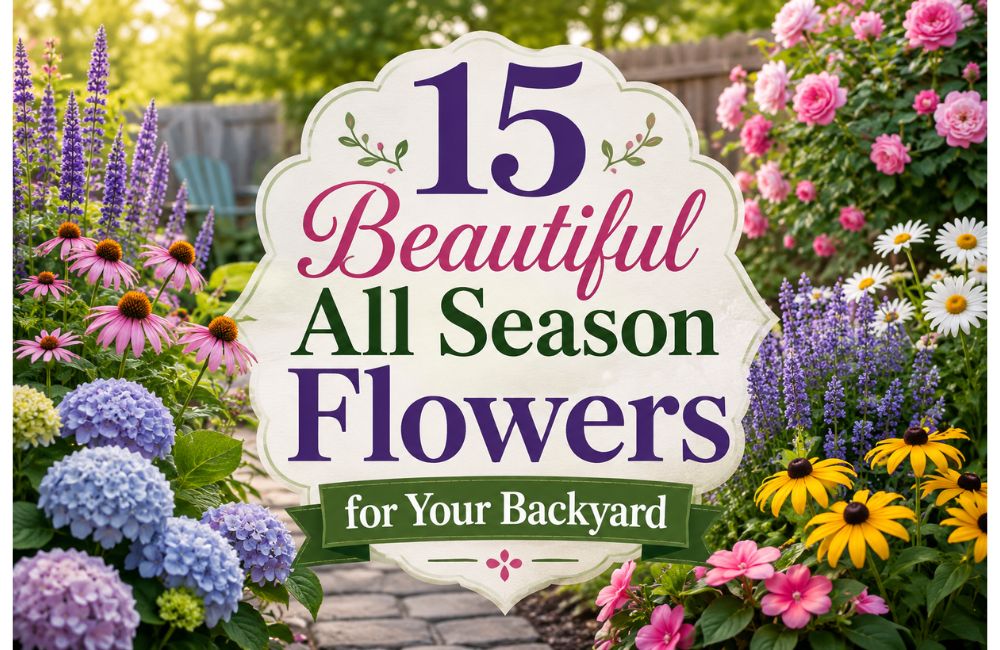
Keeping your garden colorful throughout the growing season is easier than you might think. By choosing the right all season flowers, you can enjoy vibrant blooms from spring until the first frost without constantly replacing plants. Whether you have a spacious backyard, a small patio, or a few containers on your balcony, long-blooming flowers can transform your outdoor space into a lively and welcoming retreat.
Many all season flowers are also beginner-friendly, making them an excellent choice for anyone starting their gardening journey. Besides adding beauty, these flowers attract helpful pollinators like bees, butterflies, and hummingbirds, which support a healthier garden ecosystem. With proper sunlight, regular watering, and occasional feeding, these plants will continue producing colorful blossoms for months.
In this guide, you’ll discover 15 beautiful all season flowers that provide long-lasting color, along with practical growing tips and maintenance advice. Whether you prefer annuals for nonstop blooms or dependable perennials that return year after year, you’ll find the perfect flowers to create a stunning garden that stays bright all season long.
Why Choose All Season Flowers?
Choosing all season flowers is one of the easiest ways to create a beautiful garden that remains attractive for months. Unlike short-lived blooms, these flowers continue producing fresh blossoms throughout the growing season, reducing the need for constant replanting.
They are perfect for flower beds, borders, containers, hanging baskets, and even small urban gardens. Many varieties are also low-maintenance, making them suitable for both beginners and experienced gardeners.
Benefits of Growing All Season Flowers
- Enjoy continuous blooms from spring through fall.
- Add vibrant color to your landscape for months.
- Attract butterflies, bees, and hummingbirds.
- Improve your home’s curb appeal.
- Require less frequent replanting.
- Suitable for flower beds, borders, and containers.
- Many varieties are drought tolerant and easy to maintain.
Planting all season flowers means you spend less time replacing faded plants and more time enjoying a colorful, thriving garden.
How to Choose the Right Flower for Your Garden
Selecting the best all season flowers starts with understanding your garden’s growing conditions. Every flower has different sunlight, soil, and watering requirements. Choosing plants that match your environment will help them bloom longer and stay healthier.
Consider Sunlight
Most all season flowers perform best with six to eight hours of direct sunlight each day. However, some varieties grow well in partial shade, making them ideal for patios, porches, or shaded flower beds.
Check Soil Quality
Healthy, well-drained soil is essential for long-lasting blooms. Before planting, mix compost or organic matter into the soil to improve drainage and provide important nutrients.
Consider Maintenance
If you prefer a low-maintenance garden, select flowers that naturally bloom for long periods and require minimal care. Regular watering, occasional fertilizing, and removing faded blooms are usually enough to keep them flowering.
Match Flowers to Your Garden Style
Choose flowers that complement your landscape and available space.
Popular Garden Styles
- Cottage gardens
- Modern landscapes
- Raised flower beds
- Container gardens
- Hanging baskets
- Walkway borders
When you choose the right all season flowers, your garden will remain colorful and healthy with less effort.
Flower #1 – Petunias
Petunias are among the most popular all season flowers because they bloom continuously from late spring until frost. Their trumpet-shaped flowers come in a wide range of colors, including pink, purple, white, red, blue, and yellow.
These versatile flowers thrive in hanging baskets, containers, window boxes, and garden beds, making them an excellent choice for nearly every landscape.
Why Grow Petunias?
- Bloom continuously for several months.
- Available in dozens of vibrant colors.
- Perfect for hanging baskets and containers.
- Attract butterflies and pollinators.
- Easy to grow for beginners.
Growing Tips
- Plant in full sun.
- Use fertile, well-drained soil.
- Water regularly without overwatering.
- Feed every two to three weeks with a balanced flowering fertilizer.
- Remove faded flowers to encourage even more blooms.
Petunias are one of the easiest all season flowers for gardeners who want reliable color with minimal maintenance.
Flower #2 – Marigolds
Marigolds are cheerful all season flowers that brighten gardens with rich shades of yellow, orange, and gold. They bloom from early summer until the first frost and are widely appreciated for their ability to help repel certain garden pests.
Because they grow quickly and tolerate heat well, marigolds are ideal for flower beds and vegetable gardens.
Benefits of Marigolds
- Long-lasting blooms.
- Easy to grow from seed.
- Excellent companion plants.
- Heat and drought tolerant.
- Suitable for beginner gardeners.
Growing Tips
- Plant in full sunlight.
- Use well-drained soil.
- Water when the soil begins to dry.
- Remove spent blooms regularly for continuous flowering.
Marigolds provide months of colorful blooms while helping create a healthier garden environment.
Flower #3 – Zinnias
Zinnias are fast-growing all season flowers known for their bright colors and impressive bloom production. Available in nearly every color except blue, they make excellent additions to flower beds, borders, and cutting gardens.
Their flowers attract butterflies, creating a lively and colorful outdoor space.
Why Plant Zinnias?
- Continuous blooms until frost.
- Excellent cut flowers.
- Attract butterflies and bees.
- Wide variety of colors and sizes.
- Very easy to grow.
Growing Tips
- Plant after the final frost.
- Choose a sunny location.
- Water deeply once or twice each week.
- Remove faded flowers regularly.
- Space plants properly to improve air circulation.
Zinnias are dependable all season flowers that reward gardeners with nonstop color throughout the growing season.
Flower #4 – Geraniums
Geraniums are classic all season flowers prized for their colorful blooms and attractive foliage. They thrive in containers, flower beds, borders, and window boxes, producing flowers continuously from late spring through autumn.
Their long blooming period and simple care requirements make them a favorite among home gardeners.
Why Choose Geraniums?
- Bloom for several months.
- Available in many vibrant colors.
- Ideal for containers and patios.
- Fairly drought tolerant.
- Easy to maintain.
Growing Tips
- Plant in full sun or light afternoon shade.
- Water deeply when the topsoil becomes dry.
- Apply fertilizer every four weeks.
- Remove faded flower clusters to encourage fresh blooms.
Geraniums are dependable all season flowers that add beauty and elegance to almost any garden design.
Comparison Table
| Flower | Blooming Season | Sunlight | Water Needs | Best Growing Location | Difficulty |
|---|---|---|---|---|---|
| Petunias | Spring to Frost | Full Sun | Moderate | Hanging baskets, containers | Easy |
| Marigolds | Summer to Frost | Full Sun | Low to Moderate | Flower beds, vegetable gardens | Very Easy |
| Zinnias | Summer to Frost | Full Sun | Moderate | Borders, cutting gardens | Easy |
| Geraniums | Late Spring to Fall | Full Sun to Partial Sun | Moderate | Containers, patios, borders | Easy |
Flower #5 – Coneflowers
Coneflowers are hardy all season flowers that add long-lasting color and attract beneficial pollinators to your garden. Their large, daisy-like blooms appear in shades of purple, pink, white, orange, and yellow. These beautiful flowers bloom from early summer until fall and are highly resistant to heat and drought.
Coneflowers are excellent for flower beds, borders, and cottage gardens. Once established, they require very little maintenance, making them a favorite among beginner gardeners.
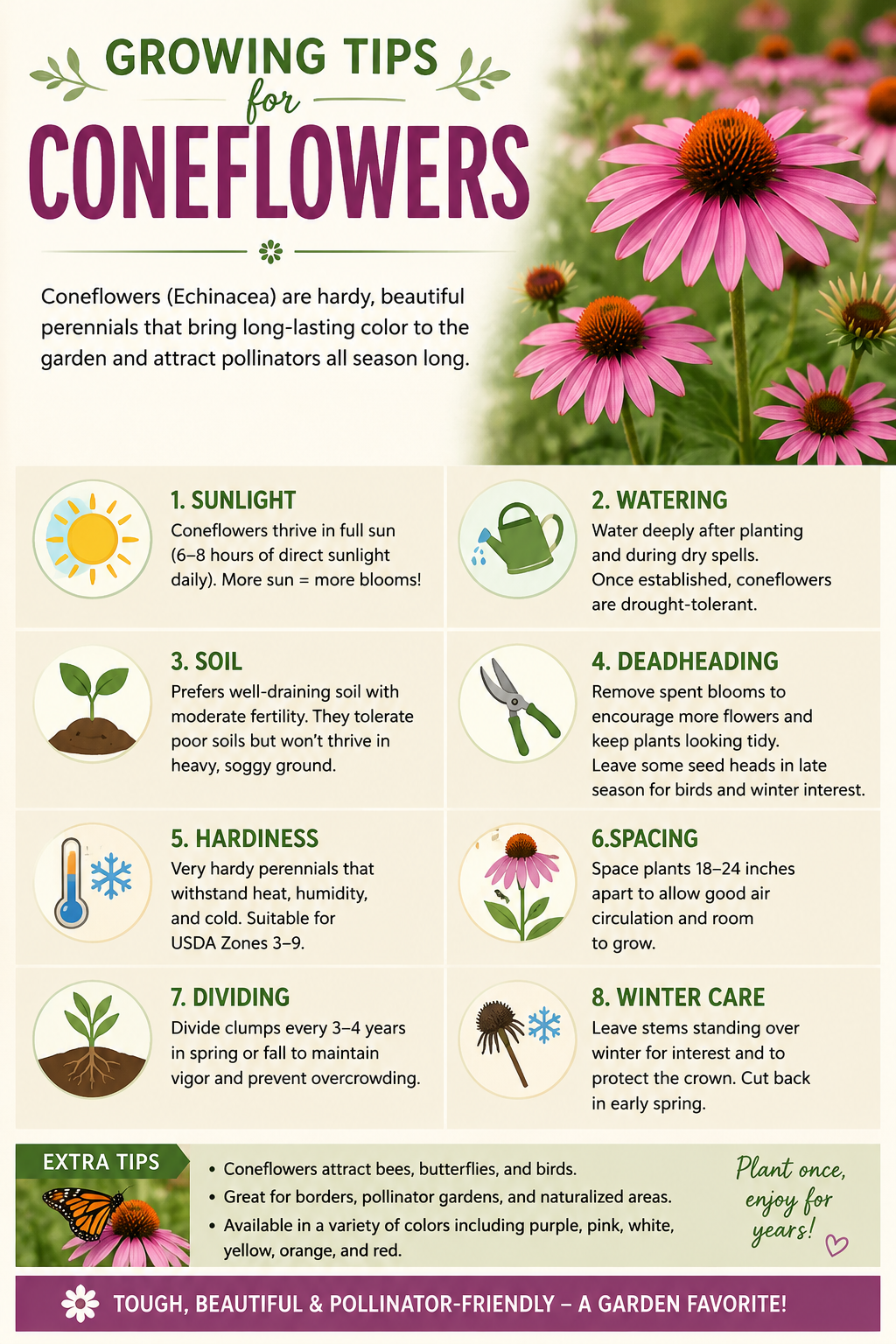
Why Choose Coneflowers?
- Bloom from summer through fall.
- Attract butterflies and bees.
- Drought tolerant after establishment.
- Return every year as perennials.
- Excellent for cut flower arrangements.
Growing Tips
- Plant in full sun.
- Use well-drained soil.
- Water regularly during the first growing season.
- Remove faded flowers to encourage more blooms.
- Divide mature plants every few years for healthier growth.
Coneflowers are dependable all season flowers that provide months of vibrant color with minimal care.
Flower #6 – Lavender
Lavender is one of the most popular all season flowers because of its beautiful purple blooms and calming fragrance. Besides enhancing your garden, lavender attracts pollinators while helping repel certain unwanted insects.
Its elegant appearance makes it perfect for borders, pathways, herb gardens, and decorative landscapes.
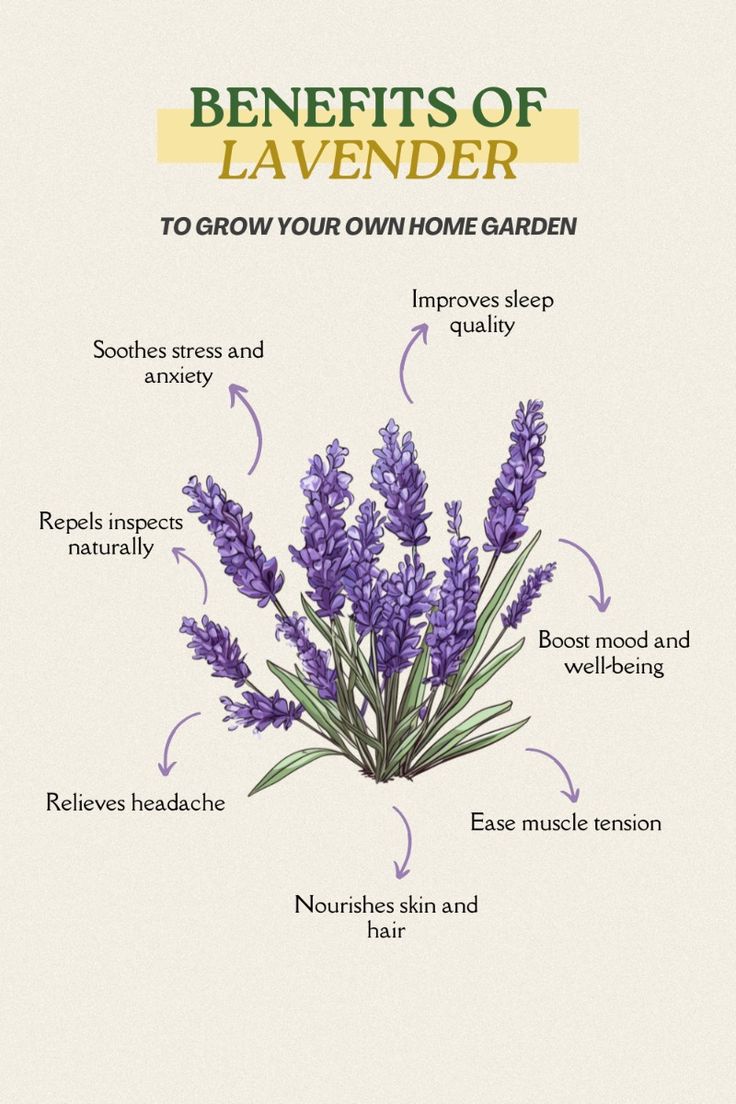
Benefits of Lavender
- Long blooming season.
- Pleasant natural fragrance.
- Attracts bees and butterflies.
- Drought tolerant.
- Suitable for fresh and dried flower arrangements.
Growing Tips
- Plant in full sunlight.
- Use sandy or well-drained soil.
- Avoid overwatering.
- Prune lightly after flowering.
- Ensure good air circulation around plants.
Lavender combines beauty, fragrance, and easy maintenance, making it one of the best all season flowers for any backyard.
Flower #7 – Begonias
Begonias are attractive all season flowers that perform especially well in partially shaded areas. Their colorful blooms and decorative leaves brighten patios, balconies, hanging baskets, and flower beds from late spring until frost.
They are available in many flower colors, including red, pink, white, yellow, and orange.
Why Gardeners Love Begonias
- Thrive in partial shade.
- Bloom continuously for months.
- Excellent for containers and hanging baskets.
- Easy to grow and maintain.
- Beautiful foliage adds extra interest.
Growing Tips
- Choose well-drained soil rich in organic matter.
- Water when the topsoil feels dry.
- Protect plants from strong afternoon sun.
- Apply balanced fertilizer every few weeks.
- Remove faded blooms regularly.
Begonias are reliable all season flowers for gardeners who want long-lasting color in shaded areas.
Flower #8 – Impatiens
Impatiens are among the easiest all season flowers to grow in shaded gardens. Their bright blooms create beautiful displays in flower beds, borders, and containers where many other flowering plants struggle.
These flowers continue blooming throughout the growing season with proper watering and care.
Advantages of Impatiens
- Perfect for shady gardens.
- Continuous blooming.
- Available in many vibrant colors.
- Excellent for containers.
- Beginner friendly.
Growing Tips
- Plant in partial or full shade.
- Keep soil consistently moist.
- Add compost before planting.
- Feed monthly during the growing season.
- Remove damaged flowers to maintain appearance.
Impatiens provide nonstop color in areas where sunlight is limited.
Flower #9 – Salvia
Salvia is one of the most rewarding all season flowers for sunny gardens. Its tall flower spikes bloom in shades of blue, purple, red, pink, and white, attracting butterflies, bees, and hummingbirds.
Salvia performs well during hot weather and continues blooming throughout summer and into fall.
Why Grow Salvia?
- Long blooming period.
- Excellent pollinator plant.
- Heat and drought tolerant.
- Adds height to flower beds.
- Low maintenance.
Growing Tips
- Plant in full sun.
- Water deeply but infrequently.
- Remove spent flower spikes.
- Apply mulch to conserve moisture.
- Fertilize lightly during spring.
Salvia is perfect for gardeners looking to add both height and continuous color to their landscape.
Flower #10 – Black-Eyed Susan
Black-Eyed Susan is a cheerful perennial known for its bright golden-yellow petals surrounding a dark brown center. These beautiful all season flowers bloom from midsummer until early fall and are highly attractive to butterflies.
Their strong stems and hardy nature make them ideal for borders, wildflower gardens, and backyard landscapes.
Benefits of Black-Eyed Susan
- Bright, cheerful blooms.
- Easy to grow.
- Attracts butterflies.
- Drought tolerant.
- Excellent cut flowers.
Growing Tips
- Grow in full sun.
- Use fertile, well-drained soil.
- Water during extended dry periods.
- Deadhead faded flowers.
- Divide plants every few years.
Black-Eyed Susan provides reliable blooms and lasting beauty for gardeners of every skill level.
Care Tips for Continuous Blooming
Even the best all season flowers need proper care to produce blooms for several months. Following a few simple gardening practices will keep your plants healthy and flowering longer.
Water Consistently
Most flowering plants prefer deep watering once or twice a week rather than frequent shallow watering. Water early in the morning to reduce evaporation and help prevent disease.
Feed Your Flowers
Apply a balanced flowering fertilizer every three to four weeks during the growing season. Healthy plants produce stronger stems and more flowers.
Remove Spent Blooms
Deadheading, or removing faded flowers, encourages plants to produce new buds instead of forming seeds.
Add Mulch
Mulching helps retain soil moisture, suppress weeds, and regulate soil temperature during hot weather.
Monitor for Pests
Inspect plants regularly for aphids, caterpillars, and other pests. Early detection helps prevent serious damage and keeps your all season flowers looking their best.
Helpful Beginner Checklist
Before Planting
- ✔ Choose healthy plants.
- ✔ Select a sunny or partially shaded location.
- ✔ Improve soil with compost.
- ✔ Ensure proper drainage.
- ✔ Space plants according to their mature size.
Weekly Care Checklist
- ✔ Water deeply when needed.
- ✔ Remove faded flowers.
- ✔ Check for pests and diseases.
- ✔ Pull weeds regularly.
- ✔ Enjoy fresh blooms throughout the season.
Monthly Maintenance Checklist
- ✔ Apply flowering fertilizer.
- ✔ Replace mulch if necessary.
- ✔ Prune damaged stems.
- ✔ Inspect plant growth.
- ✔ Clean garden tools.
Following these simple maintenance routines will help your all season flowers remain healthy, colorful, and productive from spring until the first frost.
Flower #11 – Coreopsis
Coreopsis, often called tickseed, is one of the brightest all season flowers you can grow in your backyard. Its cheerful yellow, orange, pink, or red blooms appear in early summer and continue until the first frost with proper care. This hardy perennial is drought tolerant and attracts bees and butterflies, making it a wonderful addition to pollinator-friendly gardens.
Why Choose Coreopsis?
- Blooms from early summer to fall.
- Produces abundant colorful flowers.
- Attracts butterflies and bees.
- Drought tolerant once established.
- Easy to grow for beginners.
Growing Tips
- Plant in full sun.
- Use well-drained soil.
- Water regularly during the first growing season.
- Remove faded blooms to encourage continuous flowering.
- Divide mature plants every few years.
Coreopsis is an excellent choice if you’re looking for all season flowers that require little maintenance while providing nonstop color.
Flower #12 – Cosmos
Cosmos are graceful all season flowers known for their delicate petals and airy foliage. They bloom continuously from early summer until frost and come in beautiful shades of pink, white, purple, red, and orange.
These flowers thrive in poor soil, making them one of the easiest plants to grow.
Benefits of Cosmos
- Long flowering season.
- Attract butterflies and bees.
- Excellent cut flowers.
- Fast-growing.
- Low maintenance.
Growing Tips
- Grow in full sunlight.
- Avoid overly rich soil.
- Water moderately.
- Deadhead regularly.
- Allow good spacing between plants.
Cosmos bring elegance and movement to flower beds while requiring very little attention.
Flower #13 – Verbena
Verbena is one of the best all season flowers for gardeners who want continuous blooms in hot weather. It produces clusters of small flowers in purple, pink, white, red, blue, and lavender.
Verbena works beautifully in hanging baskets, containers, borders, and rock gardens.
Why Grow Verbena?
- Blooms from spring until frost.
- Heat and drought tolerant.
- Excellent ground cover.
- Attracts butterflies.
- Great for containers.
Growing Tips
- Plant in full sun.
- Water deeply but allow soil to dry slightly.
- Fertilize once a month.
- Trim plants lightly during midsummer.
- Remove faded flower clusters.
Verbena keeps your garden colorful throughout the entire growing season.
Flower #14 – Moss Rose (Portulaca)
Moss Rose, also known as Portulaca, is one of the toughest all season flowers available. Its colorful, rose-like blooms thrive in hot, dry weather where many other flowers struggle.
Available in pink, yellow, orange, red, white, and purple, Moss Rose is perfect for rock gardens, borders, and containers.
Benefits of Moss Rose
- Loves hot weather.
- Extremely drought tolerant.
- Low maintenance.
- Bright, colorful blooms.
- Perfect for sunny gardens.
Growing Tips
- Plant in full sun.
- Use sandy, well-drained soil.
- Avoid overwatering.
- Fertilize lightly during the growing season.
- Remove old flowers when needed.
Moss Rose is ideal for gardeners who want beautiful flowers with minimal care.
Flower #15 – Pentas
Pentas are vibrant all season flowers that produce star-shaped blooms in shades of red, pink, lavender, white, and purple. They bloom continuously throughout the warm months and are especially attractive to butterflies and hummingbirds.
Pentas perform well in flower beds, borders, and containers.
Why Choose Pentas?
- Long-lasting blooms.
- Excellent pollinator plant.
- Heat tolerant.
- Easy to grow.
- Bright flower clusters.
Growing Tips
- Plant in full sun or partial shade.
- Water regularly during dry weather.
- Apply balanced fertilizer every four weeks.
- Remove faded blooms.
- Mulch to retain soil moisture.
Pentas add vibrant color and attract wildlife, making them a perfect finishing touch for any flower garden.
Common Flower Gardening Mistakes
Even the best all season flowers may struggle if they don’t receive proper care. Avoid these common mistakes to enjoy healthy plants and continuous blooms.
Overwatering
Too much water can cause root rot and weaken plants. Water deeply only when the top layer of soil becomes dry.
Planting in the Wrong Location
Some flowers require full sun, while others thrive in partial shade. Always match the plant to its light requirements.
Skipping Deadheading
Removing faded flowers encourages plants to produce new blooms instead of seeds.
Ignoring Soil Quality
Healthy soil rich in compost provides nutrients needed for long-lasting flowering.
Overcrowding Plants
Leaving enough space between flowers improves air circulation and reduces the risk of disease.
Seasonal Flower Care Tips
Proper seasonal care helps your all season flowers stay healthy and colorful throughout the year.
Spring
- Prepare flower beds with compost.
- Plant new flowers after the last frost.
- Apply slow-release fertilizer.
- Water newly planted flowers regularly.
Summer
- Water deeply during hot weather.
- Remove faded blooms every week.
- Add mulch to retain moisture.
- Watch for pests and diseases.
Autumn
- Continue deadheading late-blooming flowers.
- Remove damaged plants.
- Divide overcrowded perennials.
- Add compost to improve soil.
Winter
- Protect sensitive flowers from frost.
- Clean garden beds.
- Store gardening tools properly.
- Plan next season’s flower garden.
Following these seasonal routines will keep your all season flowers blooming beautifully year after year.
Conclusion
Planting all season flowers is one of the easiest ways to create a colorful and welcoming backyard. By selecting long-blooming varieties like Petunias, Marigolds, Lavender, Coneflowers, Verbena, and Pentas, you can enjoy beautiful blossoms from spring until the first frost.
With the right combination of sunlight, healthy soil, regular watering, and simple maintenance, these flowers will reward you with months of continuous color. Whether you’re creating a new flower bed, decorating your patio with containers, or refreshing your backyard landscape, these beautiful flowers are excellent choices for gardeners of every experience level.
Start with a few easy-to-grow varieties, care for them consistently, and soon your backyard will become a vibrant outdoor space filled with colorful blooms all season long.
Frequently Asked Questions (FAQs)
1. What are the best all season flowers for beginners?
Petunias, Marigolds, Zinnias, Geraniums, Begonias, and Pentas are among the easiest all season flowers for beginner gardeners.
2. Do all season flowers need full sun?
Most all season flowers grow best in full sun, but flowers like Begonias and Impatiens also thrive in partial shade.
3. How often should I water all season flowers?
Most flowering plants need deep watering once or twice a week, depending on rainfall and temperature.
4. How can I make flowers bloom longer?
Deadhead faded flowers, fertilize regularly, water consistently, and provide enough sunlight to encourage continuous blooming.
5. Are all season flowers suitable for containers?
Yes. Petunias, Geraniums, Verbena, Begonias, and Pentas grow exceptionally well in containers and hanging baskets.
6. Which all season flowers attract butterflies?
Coneflowers, Zinnias, Verbena, Pentas, Lavender, and Salvia are excellent choices for attracting butterflies and other pollinators.
7. Can I grow all season flowers in a small backyard?
Absolutely. Many all season flowers thrive in containers, raised beds, window boxes, and small flower borders, making them ideal for compact outdoor spaces.
You can also check out article 10 Easy Plants Every Beginner Can Grow