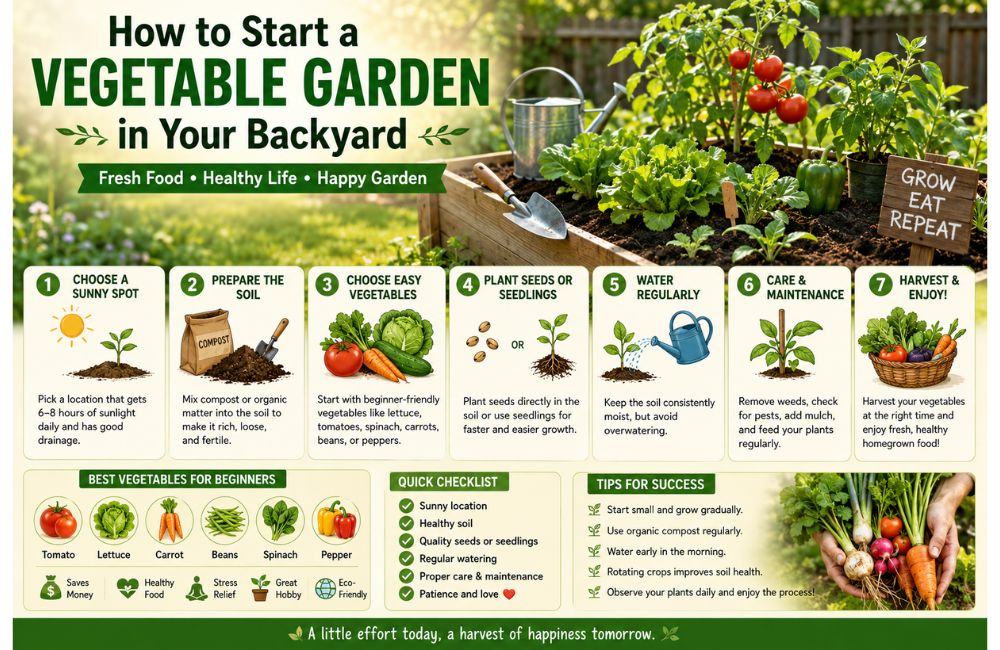
Growing your own vegetables is one of the most rewarding ways to enjoy fresh, healthy food while making the most of your outdoor space. Whether you have a large backyard or a small corner available, starting a vegetable garden is easier than many people think. With a little planning and regular care, you can harvest delicious vegetables right from your home.
If you’re new to gardening, this guide is designed specifically for home gardening for beginners. You’ll learn how to choose the best location, plan an efficient garden layout, and gather the essential tools needed for success. Starting with simple steps and beginner-friendly techniques will help you avoid common mistakes and build confidence as your garden grows.
Besides providing fresh produce, a backyard vegetable garden saves money, encourages outdoor activity, and creates a relaxing environment for the whole family. By following the tips in this guide, you’ll be well on your way to growing healthy vegetables and enjoying the satisfaction of harvesting your own food.
Why Start a Backyard Vegetable Garden?
A backyard vegetable garden offers much more than fresh produce. It provides an opportunity to spend time outdoors, learn new skills, and enjoy healthier meals made with homegrown ingredients.
For those interested in home gardening for beginners, vegetable gardening is an excellent starting point because many vegetables are easy to grow and require only basic care.
Benefits of Growing Your Own Vegetables
- Harvest fresh, flavorful vegetables at home.
- Save money on grocery bills.
- Know exactly how your food is grown.
- Enjoy regular outdoor exercise.
- Reduce your environmental impact.
- Create a relaxing and rewarding hobby.
- Teach children about nature and healthy eating.
Starting small allows you to gain experience while enjoying the satisfaction of watching your plants grow from seeds into productive vegetables.
Choosing the Best Location
Selecting the right location is one of the most important decisions when starting a vegetable garden. Most vegetables need plenty of sunlight, good drainage, and easy access to water.
🌞 Look for Plenty of Sunlight
Most vegetables require 6–8 hours of direct sunlight every day. Observe your backyard throughout the day and choose a spot that receives consistent sunlight.
Vegetables such as tomatoes, peppers, cucumbers, and beans grow best in full sun.
💧 Ensure Good Drainage
Avoid areas where water collects after rain. Wet soil can damage plant roots and increase the risk of disease.
If your backyard has poor drainage, consider using raised garden beds or large containers.
🚰 Keep Water Nearby
Choose a location close to a garden hose or water source. This makes watering easier, especially during hot summer months.
🌬️ Protect Plants from Strong Winds
Strong winds can damage young plants and dry out the soil quickly. Plant near a fence, hedge, or other natural windbreak if possible.
Planning Your Vegetable Garden Layout
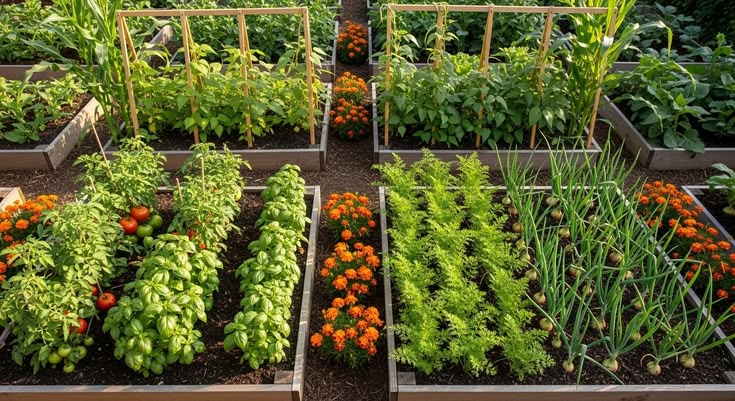
A well-planned garden is easier to maintain and produces healthier plants. Before planting, decide how much space each vegetable will need and organize your garden for easy access.
Choose the Right Garden Style
There are several ways to grow vegetables successfully.
Raised Beds
Raised beds improve drainage, warm up quickly in spring, and make gardening easier by reducing weeds and improving soil quality.
In-Ground Gardens
Planting directly in the ground is affordable and works well if your soil is already fertile and drains properly.
Container Gardens
Containers are perfect for beginners with limited space. Many vegetables, herbs, and even tomatoes grow successfully in pots.
Leave Room to Walk
Avoid planting vegetables too close together.
Leave pathways between rows so you can:
- Water comfortably.
- Remove weeds easily.
- Harvest vegetables without damaging nearby plants.
- Improve air circulation around plants.
Grow Compatible Vegetables Together
Grouping vegetables with similar sunlight and watering needs makes garden care much easier.
For example:
- Tomatoes grow well with basil.
- Carrots pair well with onions.
- Lettuce grows nicely alongside spinach.
Planning your layout before planting saves time and helps your vegetables grow more successfully.
Essential Gardening Tools
Having a few basic gardening tools makes planting and maintenance much easier. Fortunately, beginners don’t need expensive equipment to start a productive vegetable garden.
Must-Have Gardening Tools
🌱 Hand Trowel
Perfect for digging small holes, transplanting seedlings, and planting flowers or vegetables.
✂️ Pruning Shears
Useful for trimming plants, removing dead leaves, and harvesting vegetables.
💦 Watering Can or Garden Hose
Regular watering keeps vegetables healthy, especially during warm weather.
🧤 Gardening Gloves
Protect your hands from dirt, thorns, and rough surfaces while working in the garden.
🌾 Garden Fork
Helps loosen compacted soil, mix compost, and improve drainage before planting.
🪣 Garden Rake
Ideal for leveling soil, removing debris, and preparing planting beds.
📏 Measuring Tape
Helpful when spacing plants correctly according to their growing requirements.
Beginner Gardening Checklist
Before planting your first vegetables, make sure you have:
- ✅ A sunny garden location.
- ✅ Nutrient-rich, well-draining soil.
- ✅ Basic gardening tools.
- ✅ Healthy seeds or seedlings.
- ✅ Access to water.
- ✅ Enough space between plants.
- ✅ A simple garden plan.
Following this checklist will make your gardening experience smoother and more enjoyable.
Comparison Table
| Feature | Raised Beds | In-Ground Garden | Container Gardening |
|---|---|---|---|
| Best For | Beginners | Large backyards | Small spaces & balconies |
| Cost | Medium | Low | Low to Medium |
| Soil Control | Excellent | Depends on existing soil | Excellent |
| Drainage | Excellent | Varies | Very Good |
| Weed Control | Easy | Moderate | Easy |
| Maintenance | Easy | Moderate | Easy |
| Mobility | No | No | Yes |
| Suitable Vegetables | Almost all vegetables | Large crops & root vegetables | Herbs, lettuce, tomatoes, peppers |
What’s Coming in Part 2
In the next part, you’ll learn how to:
- Prepare healthy garden soil.
- Choose the best vegetables for beginners.
- Decide between seeds and seedlings.
- Water and fertilize correctly.
- Start organic vegetable gardening.
- Avoid common beginner mistakes.
These practical tips will help you build a thriving backyard vegetable garden and continue your journey in home gardening for beginners with confidence.
Preparing the Soil
Healthy soil is the foundation of a productive vegetable garden. No matter how good your seeds or seedlings are, they won’t thrive in poor soil. Preparing your garden properly before planting gives vegetables the nutrients and growing conditions they need.
For anyone learning home gardening for beginners, taking time to improve the soil is one of the best investments you can make.
Test Your Soil
Before planting, check your soil to understand its condition.
Look for:
- Loose, crumbly texture
- Good drainage
- Rich, dark color
- Plenty of organic matter
If your soil is heavy clay or very sandy, improve it by adding compost or well-rotted manure.
Improve Soil Naturally
Organic matter helps the soil hold moisture while providing essential nutrients.
You can add:
- Compost
- Aged manure
- Leaf mold
- Coconut coir
- Organic garden compost
Mix these materials into the top 6–8 inches of soil before planting.
Choosing the Best Vegetables for Beginners
Starting with easy-to-grow vegetables increases your chances of success. These vegetables grow quickly, require minimal care, and produce rewarding harvests.
Best Vegetables Garden for Beginner
🍅 Tomatoes
Tomatoes are one of the most popular backyard vegetables. They grow well in garden beds, raised beds, and containers.
🥬 Lettuce
Lettuce grows quickly and can be harvested several times during the season.
🥕 Carrots
Carrots are easy to grow in loose soil and require little maintenance.
🥒 Cucumbers
Cucumbers grow rapidly and produce abundant harvests with regular watering.
🫑 Bell Peppers
Peppers thrive in warm, sunny locations and are perfect for home gardens.
🌱 Green Beans
Beans grow quickly and improve soil quality by adding nitrogen naturally.
🌿 Spinach
Spinach is a cool-season vegetable that grows well in spring and autumn.
🧅 Onions
Onions are simple to grow and can be planted from seeds or sets.
These vegetables are excellent choices for home gardening for beginners because they are relatively easy to care for and produce satisfying results.
Planting Seeds vs. Seedlings
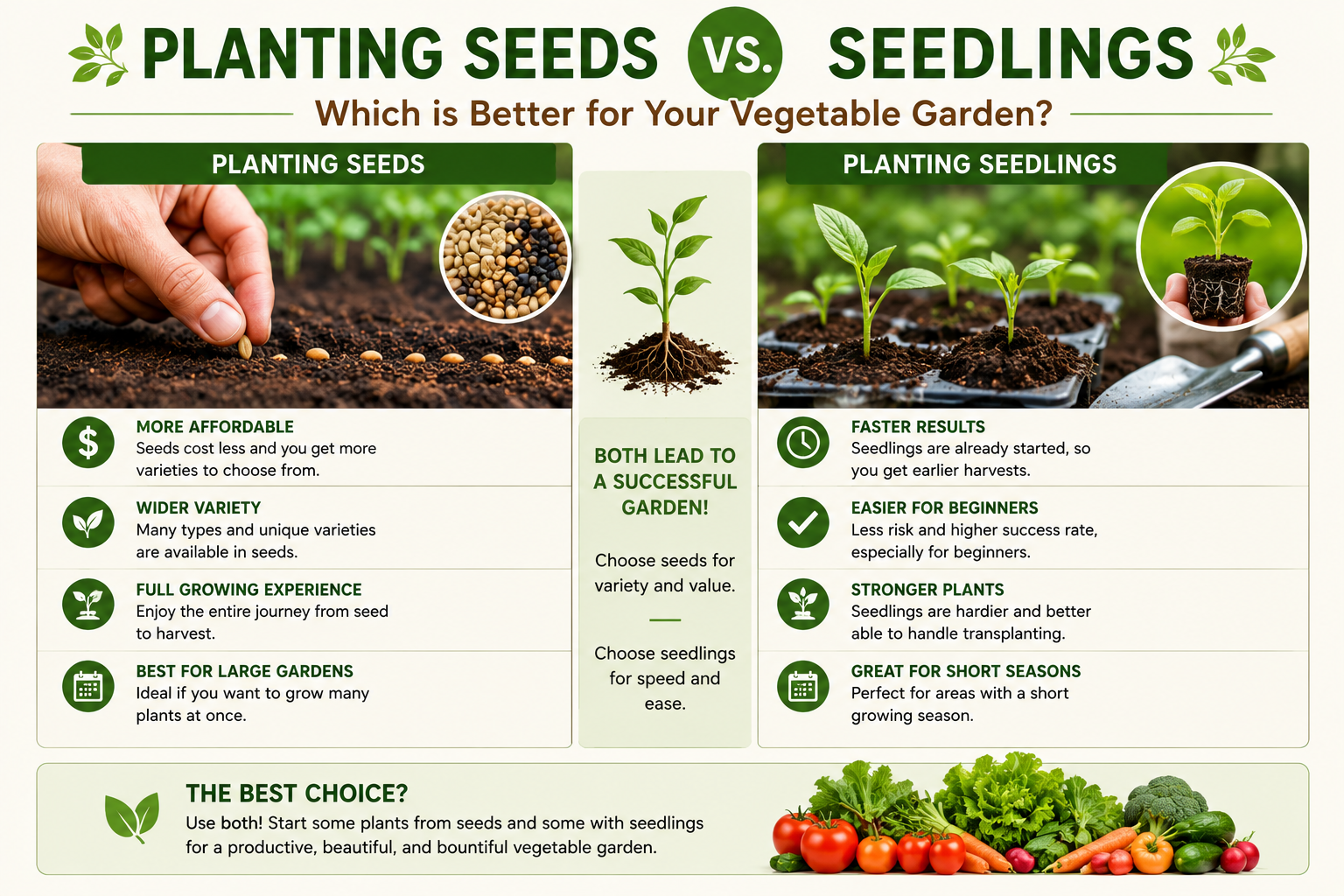
One of the first decisions beginner gardeners face is whether to plant seeds or buy young plants (seedlings). Both options have advantages, and the best choice depends on your experience, budget, and growing season.
Growing from Seeds
Seeds are affordable and offer a wider variety of vegetables.
Benefits
- Less expensive
- Greater variety of plants
- Enjoy the full growing process
- Ideal for large gardens
However, seeds require more patience and careful attention during the early stages of growth.
Growing from Seedlings
Seedlings are young plants that have already started growing.
Benefits
- Faster harvest
- Easier for beginners
- Higher success rate
- Less time spent waiting for germination
Many first-time gardeners find seedlings easier because they skip the delicate germination stage.
Watering and Fertilizing
Proper watering and fertilizing are essential for healthy vegetables. Too much or too little of either can reduce plant growth and harvests.
Watering Tips
Most vegetables prefer deep watering rather than frequent shallow watering.
Best Practices
- Water early in the morning.
- Water the soil, not the leaves.
- Keep the soil evenly moist.
- Reduce watering after heavy rainfall.
- Check soil moisture before watering again.
Deep watering encourages stronger root development and healthier plants.
Fertilizing Tips
Vegetables need nutrients throughout the growing season.
Choose balanced fertilizers or organic alternatives such as:
- Compost
- Worm castings
- Fish emulsion
- Organic vegetable fertilizer
Apply fertilizer according to the product instructions to avoid overfeeding your plants.
Organic Gardening Tips
Organic gardening focuses on growing vegetables naturally while protecting the environment. It’s a great option for families who want fresh produce without relying on synthetic chemicals.
Simple Organic Practices
🌿 Feed the Soil
Use compost and natural fertilizers to improve soil health.
💧 Conserve Water
Apply mulch around plants to reduce evaporation and keep the soil moist.
🐝 Encourage Beneficial Insects
Flowers such as marigolds attract pollinators and helpful insects that support a healthy garden.
🌱 Rotate Crops
Avoid planting the same vegetable in the same location every year. Crop rotation helps reduce pests and soil-borne diseases.
🍂 Recycle Garden Waste
Turn leaves, grass clippings, and vegetable scraps into nutrient-rich compost for future planting.
Organic gardening creates healthier soil while supporting long-term garden productivity.
Common Beginner Mistakes
Every gardener makes mistakes, especially when starting out. Learning from these common problems will help you grow healthier vegetables and enjoy better harvests.
Overwatering
Watering too often can cause root rot and fungal diseases. Always check the soil before watering.
Planting Too Close Together
Crowded plants compete for sunlight, water, and nutrients. Follow the recommended spacing on seed packets or plant labels.
Ignoring Sunlight Requirements
Most vegetables need at least six hours of direct sunlight each day. Planting them in shaded areas often results in poor growth.
Forgetting to Remove Weeds
Weeds compete with vegetables for nutrients and water. Remove them regularly to keep your garden healthy.
Skipping Soil Preparation
Poor soil leads to weak plants and lower harvests. Always improve your soil before planting.
Beginner Vegetable Garden Checklist
Before You Plant:
- ✅ Choose a sunny location.
- ✅ Prepare nutrient-rich soil.
- ✅ Select beginner-friendly vegetables.
- ✅ Gather basic gardening tools.
- ✅ Plan your garden layout.
Weekly Garden Care Checklist
- ✅ Check soil moisture before watering.
- ✅ Remove weeds regularly.
- ✅ Inspect plants for pests.
- ✅ Harvest ripe vegetables promptly.
- ✅ Support climbing plants with stakes or cages.
Monthly Maintenance Checklist
- ✅ Add compost if needed.
- ✅ Apply fertilizer according to schedule.
- ✅ Trim damaged leaves.
- ✅ Refresh mulch around plants.
- ✅ Monitor plant growth and adjust care as needed.
By preparing healthy soil, selecting easy vegetables, watering correctly, and following simple organic gardening practices, you’ll build a productive and enjoyable backyard vegetable garden.
Seasonal Vegetable Gardening Tips
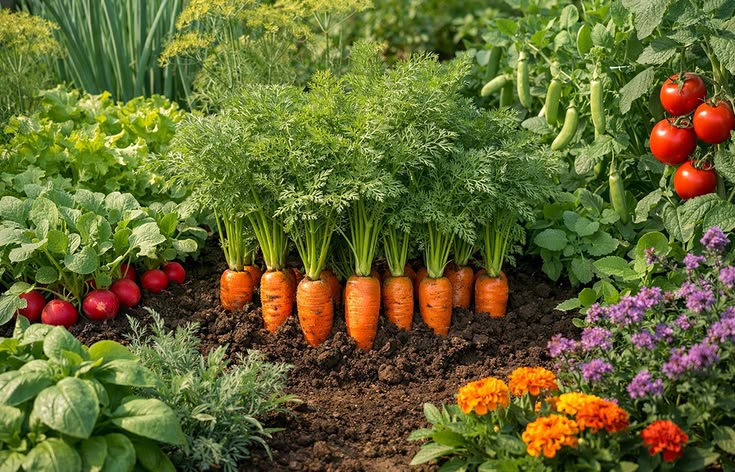
Vegetable gardening is a year-round activity that changes with the seasons. Understanding what your garden needs during each season helps your plants stay healthy and productive. If you’re learning home gardening for beginners, adjusting your gardening routine throughout the year will improve your harvest and reduce common problems.
🌸 Spring: Prepare for a Fresh Start
Spring is the ideal season to begin your vegetable garden. As temperatures rise, the soil becomes ready for planting.
Spring Gardening Tips
- Prepare the soil by adding compost or organic matter.
- Plant cool-season vegetables like lettuce, spinach, carrots, and peas.
- Start warm-season vegetables indoors if needed.
- Remove weeds before planting.
- Water newly planted seeds regularly.
☀️ Summer: Keep Plants Healthy
Summer is the busiest season for vegetable gardeners. Plants grow quickly but also require more water and care.
Summer Gardening Tips
- Water deeply early in the morning.
- Apply mulch to keep soil moist.
- Harvest vegetables regularly to encourage new growth.
- Watch for pests and diseases.
- Provide support for tomatoes, beans, and cucumbers.
🍂 Autumn: Harvest and Prepare
Autumn is the perfect time to enjoy the final harvest while preparing your garden for the next growing season.
Autumn Gardening Tips
- Harvest mature vegetables before frost.
- Remove dead plants and weeds.
- Add compost to improve soil.
- Plant cool-season crops if your climate allows.
- Clean and store gardening tools.
❄️ Winter: Plan Ahead
Although growth slows during winter, it’s an excellent time to prepare for the upcoming gardening season.
Winter Gardening Tips
- Protect sensitive plants from frost.
- Reduce watering for dormant plants.
- Repair raised beds and containers.
- Organize seeds and gardening supplies.
- Plan next season’s vegetable garden.
Pest and Disease Control
Healthy plants are naturally more resistant to pests and diseases. Regular inspection allows you to identify problems early before they spread throughout the garden.
Common Garden Pests
Some insects commonly found in vegetable gardens include:
- Aphids
- Caterpillars
- Whiteflies
- Slugs and snails
- Spider mites
Natural Pest Control Methods
Instead of relying on harsh chemicals, try these eco-friendly solutions:
- Spray plants with a mild neem oil solution.
- Remove insects by hand when possible.
- Encourage ladybugs and other beneficial insects.
- Grow companion plants such as marigolds and basil.
- Keep your garden clean by removing dead leaves and debris.
Preventing Plant Diseases
Many plant diseases can be prevented through good gardening habits.
Disease Prevention Tips
- Water the soil instead of the leaves.
- Allow enough space between plants for air circulation.
- Remove infected leaves immediately.
- Rotate crops each season.
- Use clean gardening tools.
Healthy gardening practices are one of the easiest ways to prevent disease before it starts.
Harvesting and Garden Maintenance
Harvesting vegetables at the right time improves their flavor and encourages many plants to continue producing.
When to Harvest
Different vegetables mature at different times.
For example:
- Tomatoes should be fully colored but still firm.
- Lettuce can be harvested leaf by leaf.
- Cucumbers taste best while still young.
- Beans should be picked before they become tough.
- Peppers can be harvested green or fully ripe.
Regular harvesting also prevents vegetables from becoming overripe.
Ongoing Garden Maintenance
Maintaining your vegetable garden only takes a few minutes each week but makes a significant difference.
Weekly Maintenance Checklist
- ✅ Water when needed.
- ✅ Remove weeds.
- ✅ Inspect plants for pests.
- ✅ Harvest ripe vegetables.
- ✅ Remove damaged leaves.
- ✅ Check plant supports.
Monthly Maintenance Checklist
- ✅ Add compost around plants.
- ✅ Apply fertilizer if necessary.
- ✅ Replace worn mulch.
- ✅ Prune overgrown plants.
- ✅ Clean gardening tools.
Consistent maintenance helps your garden stay healthy throughout the growing season.
Conclusion
Starting a vegetable garden is one of the most enjoyable and rewarding ways to grow your own fresh food. By choosing the right location, preparing healthy soil, planting beginner-friendly vegetables, and following simple care routines, you’ll quickly gain confidence as a gardener.
If you’re new to home gardening for beginners, remember that every successful garden starts with small steps. Learn from each season, care for your plants consistently, and don’t be discouraged by occasional mistakes. Gardening is a skill that improves with experience, and every harvest brings new knowledge.
Whether you’re growing tomatoes, lettuce, carrots, herbs, or peppers, your backyard can become a productive space that provides healthy food, saves money, and creates lasting enjoyment for your family. Start today, stay patient, and enjoy the satisfaction of harvesting vegetables you’ve grown yourself.
Frequently Asked Questions (FAQs)
1. What vegetables are easiest for beginners to grow?
Tomatoes, lettuce, carrots, cucumbers, beans, spinach, peppers, and herbs like basil and mint are excellent choices for beginners.
2. How much sunlight does a vegetable garden need?
Most vegetables require 6–8 hours of direct sunlight each day for healthy growth and good harvests.
3. Is it better to plant seeds or seedlings?
Both are good options. Seeds are more affordable, while seedlings are easier for beginners because they establish more quickly.
4. How often should I water my vegetable garden?
Water deeply when the top inch of soil feels dry. Early morning watering is generally the best time.
5. Can I grow vegetables in containers?
Yes. Tomatoes, peppers, lettuce, spinach, herbs, and many other vegetables grow successfully in containers with proper drainage and sunlight.
6. What is the best soil for vegetable gardening?
Loose, fertile, well-draining soil enriched with compost or organic matter provides the best growing conditions.
7. How can I keep pests away naturally?
Plant companion flowers like marigolds, encourage beneficial insects, keep the garden clean, and use natural products such as neem oil when necessary.
You can also check out article Easy Plants Every Beginner Can Grow